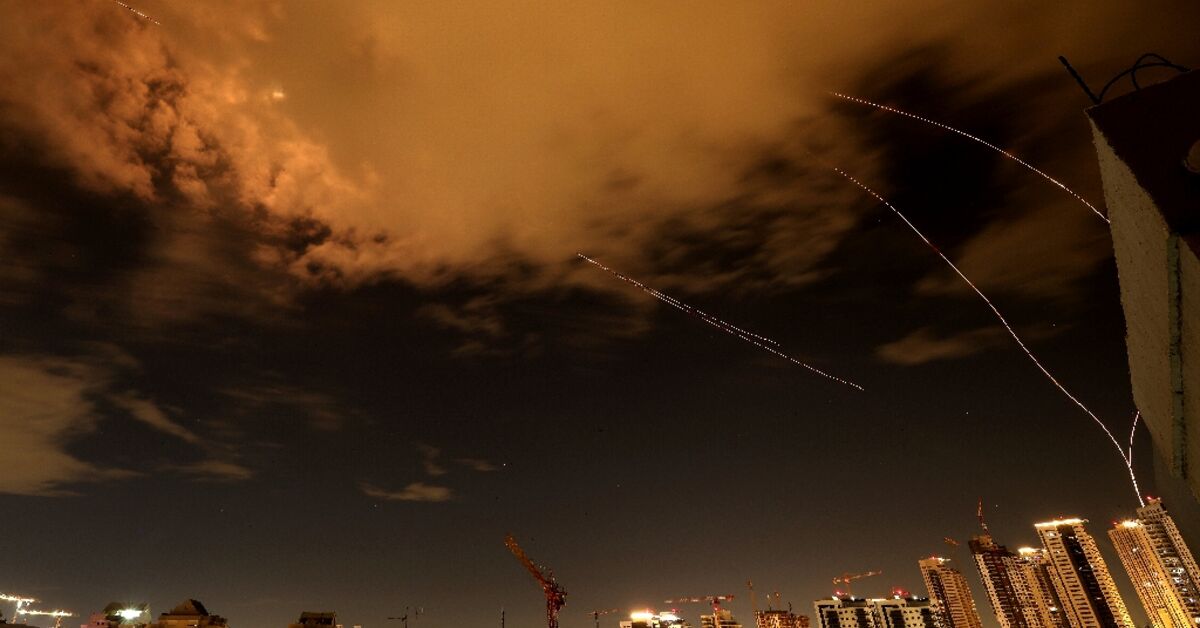
Iran has targeted countries in the Middle East with new missiles, just hours after U.S. President Donald Trump indicated potential progress in diplomatic efforts to resolve the conflict. The escalation comes at a time when tensions have been rising since February 28, following military pressures from U.S.-Israeli strikes on Iran.
The Iranian Revolutionary Guard Corps reported that precision-guided missiles and drones were launched towards targets in Israel and bases hosting U.S. forces in both Kuwait and Jordan and Bahrain. This attack occurs at a sensitive time, as the international community seeks a peaceful resolution to the escalating conflict in the region.
Details of the Incident
In the early hours of Wednesday, the Iranian Revolutionary Guard Corps announced the execution of a large-scale attack, targeting several military sites in Israel and neighboring countries. The attack follows Trump's statements suggesting the possibility of resuming negotiations with Iran, raising questions about Tehran's intentions under these circumstances.
The increasing military pressures since the beginning of the conflict in February have exacerbated conditions in the region, affecting global energy markets. The Iranian attacks, described as precise, indicate Tehran's capability to conduct complex military operations despite international pressures.
Background & Context
The current conflict began on February 28, 2023, after a series of military pressures launched by the United States and Israel against Iran, leading to heightened tensions in the Middle East. Historically, Iran has always been a key player in regional conflicts, seeking to enhance its influence in the area by supporting its allies in Syria, Iraq, and Lebanon.
It is noteworthy that relations between Iran and the United States have significantly deteriorated since Washington's withdrawal from the nuclear agreement in 2018, escalating military and political tensions in the region. This recent escalation reflects the ongoing struggle for influence among major powers in the Middle East.
Impact & Consequences
The Iranian attacks could lead to greater escalation in the conflict, potentially dragging the region into a broader war. If the United States continues to support its allies in the region, it may provoke military responses from Iran, complicating the security situation further.
Moreover, the escalation of the conflict could significantly impact global energy markets, potentially leading to rising oil prices due to fears of instability in the region. This situation could affect the global economy, especially amid current economic crises.
Regional Significance
For Arab countries, the Iranian escalation represents a direct threat to security and stability in the region. Countries like Saudi Arabia, the UAE, and Egypt may find themselves compelled to reassess their defense strategies to counter the increasing Iranian threats.
Furthermore, the continuation of the conflict could impact peace efforts in Palestine and Syria, as Iran may exploit the situation to enhance its influence in those areas. Ultimately, the escalating situation in the Middle East requires international efforts to find effective diplomatic solutions.