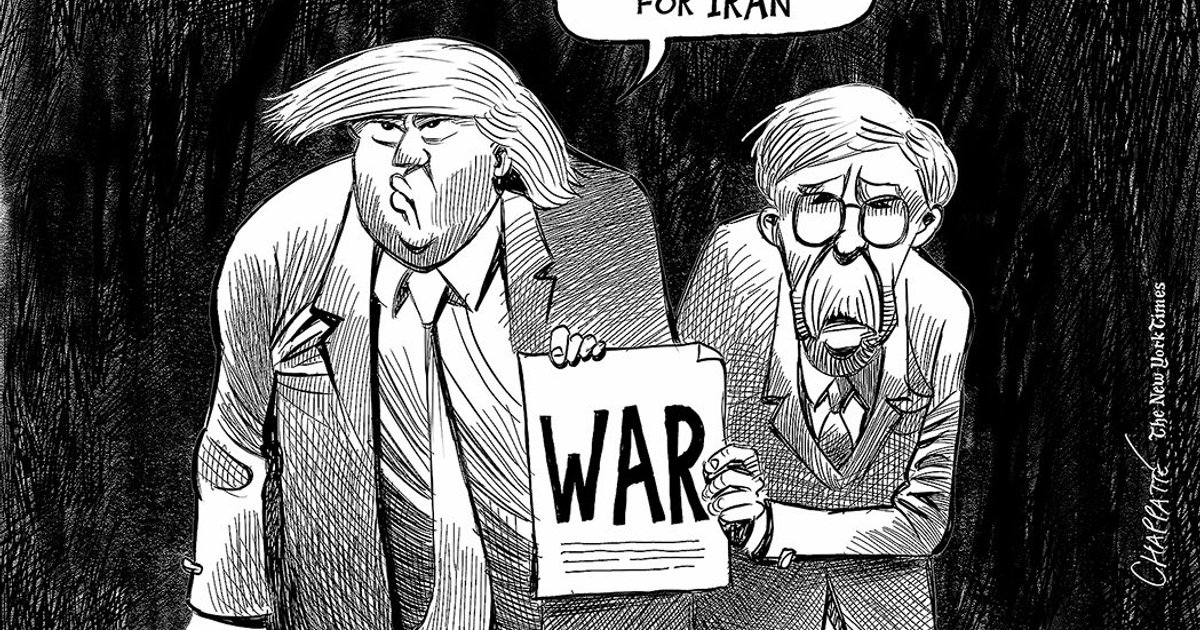
Amid the ongoing conflict in the Middle East, Iran is turning to innovative war propaganda, targeting U.S. President Donald Trump with satirical memes that reflect the current situation. This move comes at a time of rising military tensions, making it essential to understand the political and economic dimensions of this propaganda.
Iran is intensively using social media to disseminate its messages, focusing on mocking Trump and directing criticisms at him through platforms like Facebook and Twitter. Reports have shown that this propaganda includes bizarre memes, such as videos created using artificial intelligence, depicting Iranian military victories in a cartoonish style reminiscent of LEGO games.
Details of the Event
Some of the memes depict Trump ordering airstrikes after reviewing files related to Jeffrey Epstein, reflecting Iran's attempt to link political issues with personal scandals. Other Iranian messages criticize Trump's policies, portraying him as a puppet in the hands of Israeli Prime Minister Benjamin Netanyahu.
This propaganda goes beyond mere mockery; it aims to undermine Trump's image and bolster Iran's position on the international stage. Some experts have stated that this strategy seeks to attract the attention of Western audiences, particularly the youth, by merging popular culture with political messages.
Background & Context
Historically, war propaganda has been an integral part of military conflicts, but what distinguishes the current situation is the use of modern technology and social media. Since the onset of the conflict, Iran has effectively utilized these means to direct its messages to a global audience, attempting to challenge American narratives regarding its military strength.
On the other hand, the U.S. administration has also innovatively used social media, integrating clips from movies and games into official videos discussing military operations. This strategy, although it has drawn criticism, aims to capture the attention of the youth and boost morale.
Impact & Consequences
The implications of this propaganda extend beyond mockery, as reports indicate that Iran also seeks to influence the global economy and energy prices. Mohammad Baqer Qalibaf, the Speaker of the Iranian Parliament, noted that Trump's statements regarding war could impact stock markets, reflecting Iran's awareness of the war's effects on the global economy.
These messages come at a time when the United States is experiencing rising gas prices, increasing pressure on the U.S. administration. Qalibaf used this point to criticize Trump's policies, indicating that the priority is no longer the United States but rather Israel.
Regional Significance
These developments directly affect the Arab region, where Arab countries remain in a precarious position between supporting and rejecting American and Iranian policies. Iran's use of war propaganda may strengthen its position in the region, potentially escalating tensions between Arab countries and Iran.
Ultimately, these new dynamics in war propaganda reflect how modern technology can influence political and military conflicts. As the struggle continues, the question remains about how these messages will affect public opinion in the region and the world.