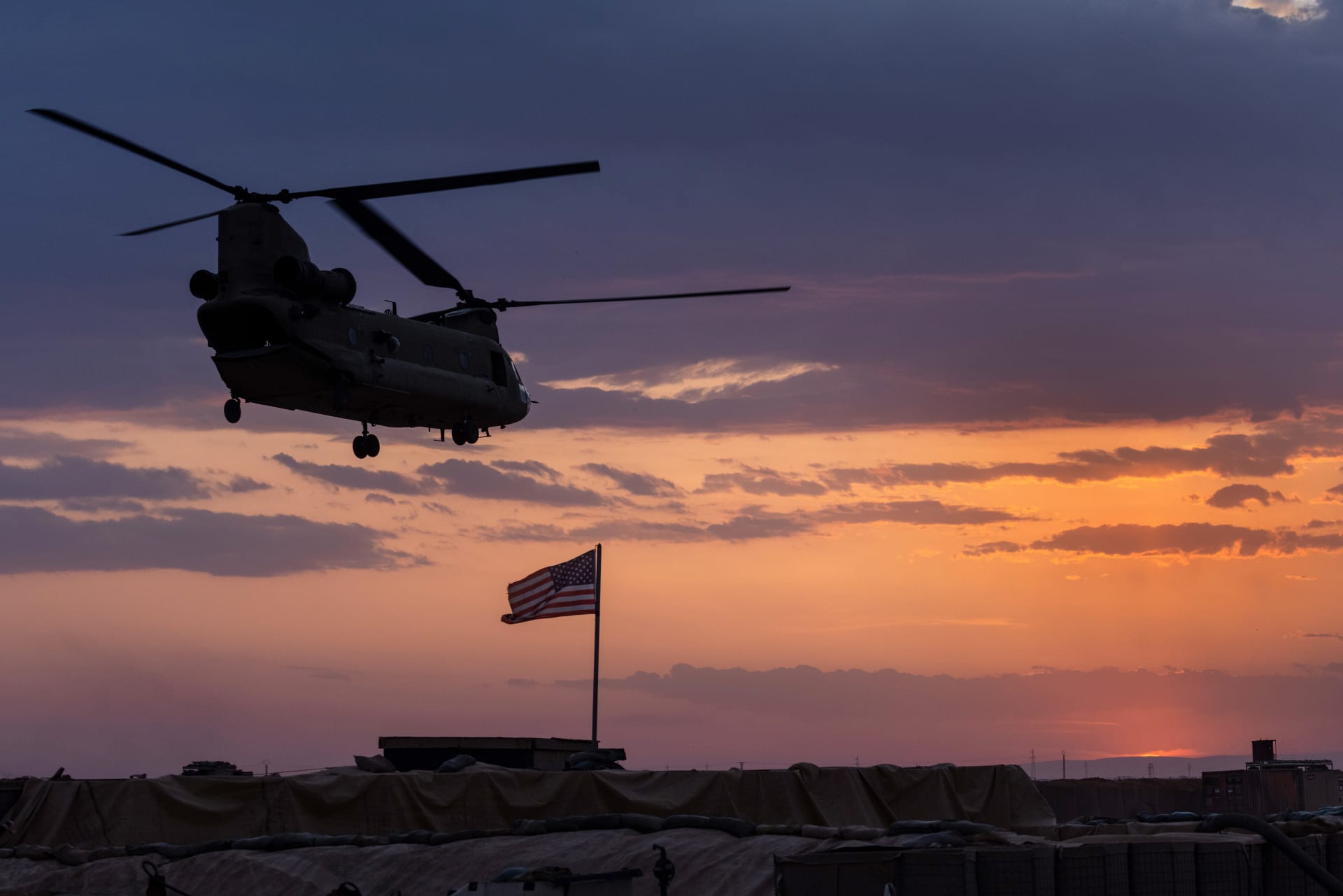
On Monday, the spokesman for the Iranian Revolutionary Guard Corps announced that its forces directed attacks last night at the Prince Sultan airbase in the Kingdom of Saudi Arabia. This base is considered one of the main centers for US military presence in the region, housing reconnaissance aircraft and advanced military capabilities.
As a result of these attacks, US reconnaissance aircraft were targeted, indicating a rise in military tensions between Iran and the United States, as Tehran describes Prince Sultan base as a key site for US military operations in the Middle East.
Details of the Incident
In this context, Iranian media reported that the Revolutionary Guard used long-range ballistic missiles to strike the base, reflecting Iran's ability to develop its military capabilities in response to potential threats. The use of ballistic missiles is seen as a dangerous escalation that reflects the increasing tension in regional and international relations.
The attacks also targeted the US Fifth Fleet stationed in Bahrain, heightening concerns for the United States and its allies in the region. These developments come at a time when the Arabian Gulf is witnessing rising tensions due to Iran's military activities and geopolitical disputes.
Background & Context
Historically, tensions between Iran and the United States have escalated since the US withdrawal from the nuclear agreement in 2018, leading to crippling economic sanctions on Tehran. In recent years, Iran has renewed its nuclear program, asserting that it will continue to develop its military capabilities, including its ballistic missile program.
It is noteworthy that the Prince Sultan airbase has played a pivotal role in US military operations against the Islamic State (ISIS) and is viewed as a launch pad for operations against Iran, amplifying the significance of this attack for Tehran.
Impact & Consequences
The Iranian attacks on the Prince Sultan airbase reflect an increasing danger of military escalation in the region. This development poses a direct threat to the presence of US forces in the area and may provoke a strong response from Washington. Such actions could lead to an escalation of the conflict and could put the entire region on the brink of a comprehensive war.
If the United States responds to these attacks, it could result in further escalation with Iran, which may launch retaliatory strikes against American and allied sites in the region. It is important to note that such operations raise risks for all parties involved, including civilians.
Regional Significance
Clearly, an outbreak of hostilities between Iran and the United States would have profound implications for regional security. Neighboring Arab states, such as Saudi Arabia, would be significantly affected by heightening tensions, especially if attacks continue. Security in the Arabian Gulf heavily depends on the stability of relations between the United States and Iran.
Any military escalation in this region could impact oil prices, and consequently, the global economy. Maintaining regional stability is crucial for Arab states, particularly in light of ongoing economic and social challenges.