The Iranian Revolutionary Guard announced this morning that it targeted a US military base in Kuwait, responding to an American airstrike that hit a site near Bandar Abbas Airport in Iran. The Iranian attack occurred at 4:50 AM Kuwait time, just hours after the US strike, which Iran described as an aggression against its territory.
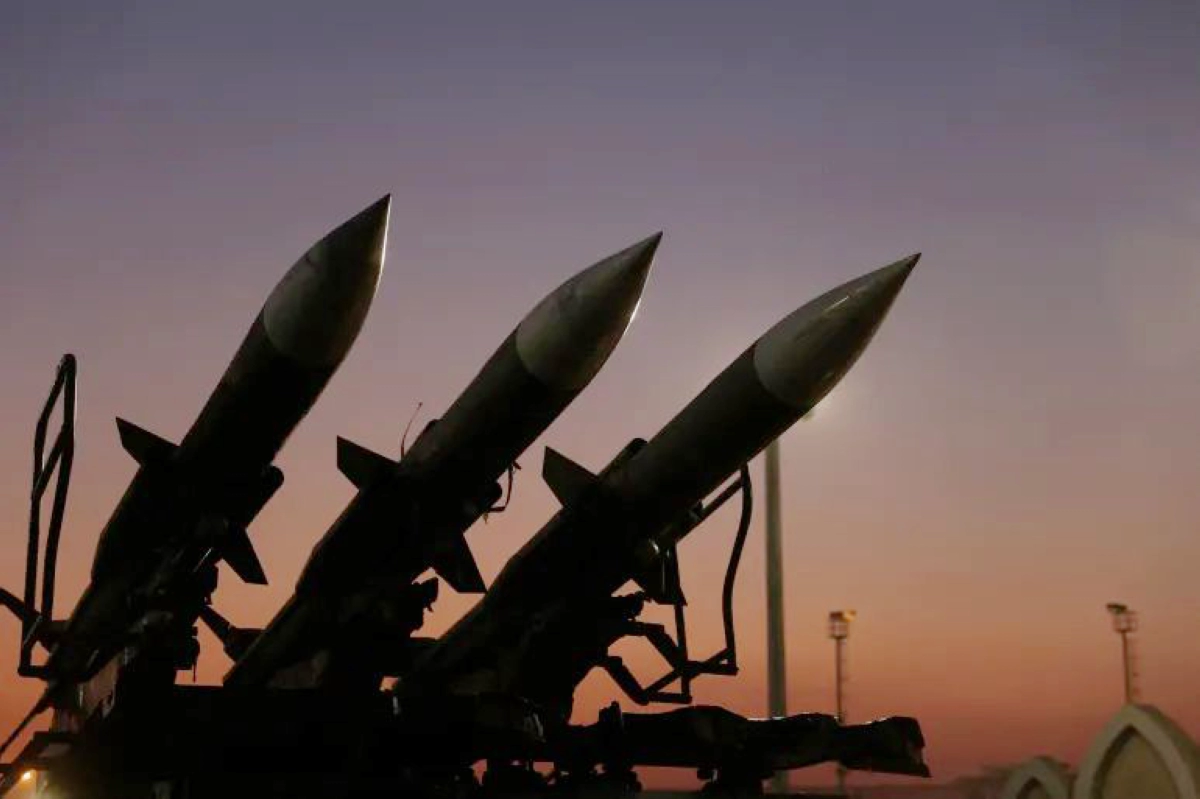
The Iranian news agency Tasnim reported that this attack serves as a serious warning to enemies, emphasizing that any further aggression would be met with a stronger response. In contrast, the Kuwaiti Ministry of Defense confirmed that its air defense systems successfully intercepted and destroyed hostile missiles and drones, noting that the sounds heard by residents were a result of these defensive operations.
Details of the Incident
In an official statement, the Kuwaiti Foreign Ministry condemned the Iranian attacks, labeling them as a serious escalation and a blatant violation of Kuwaiti sovereignty. Additionally, the Secretary-General of the Gulf Cooperation Council, Jassim Mohammed Al-Budaiwi, stated that these attacks represent a violation of international law principles and the United Nations Charter.
On the other hand, American sources reported that US forces shot down four Iranian drones that posed a threat near the Strait of Hormuz, and targeted an Iranian control station in Bandar Abbas that was preparing to launch a fifth drone. An American official confirmed that these actions were purely defensive and aimed at maintaining the ceasefire.
Background & Context
Tensions between the United States and Iran have been escalating for some time, with recent weeks witnessing a series of reciprocal attacks. The United States had conducted airstrikes on Iranian sites in the south, targeting missile launch sites and Iranian boats allegedly attempting to plant mines.
Iran, for its part, viewed these airstrikes as a serious violation of the ceasefire, complicating the security situation in the region further. These events unfold at a critical moment, as attention turns to nuclear negotiations between Iran and major powers.
Impact & Consequences
The reciprocal attacks between Iran and the United States could lead to greater escalation in the region, threatening the stability of Gulf states. Iranian statements indicate that Tehran is prepared to respond more forcefully if aggressions continue, increasing the likelihood of armed conflict.
Moreover, these developments could impact oil prices and financial markets, as any escalation in tensions may lead to rising oil prices due to fears of supply disruptions. Neighboring countries, including Kuwait and Saudi Arabia, are closely monitoring the situation.
Regional Significance
These developments are of significant importance to Arab countries, as any escalation in tensions between Iran and the United States could affect security and stability in the region. Kuwait, situated at the heart of these events, plays a crucial role in maintaining regional security.
Other Arab nations, such as Saudi Arabia, may find themselves in a sensitive position, as any escalation may necessitate clear stances towards Iran. Under these circumstances, enhancing security cooperation among Arab states becomes essential to address common challenges.