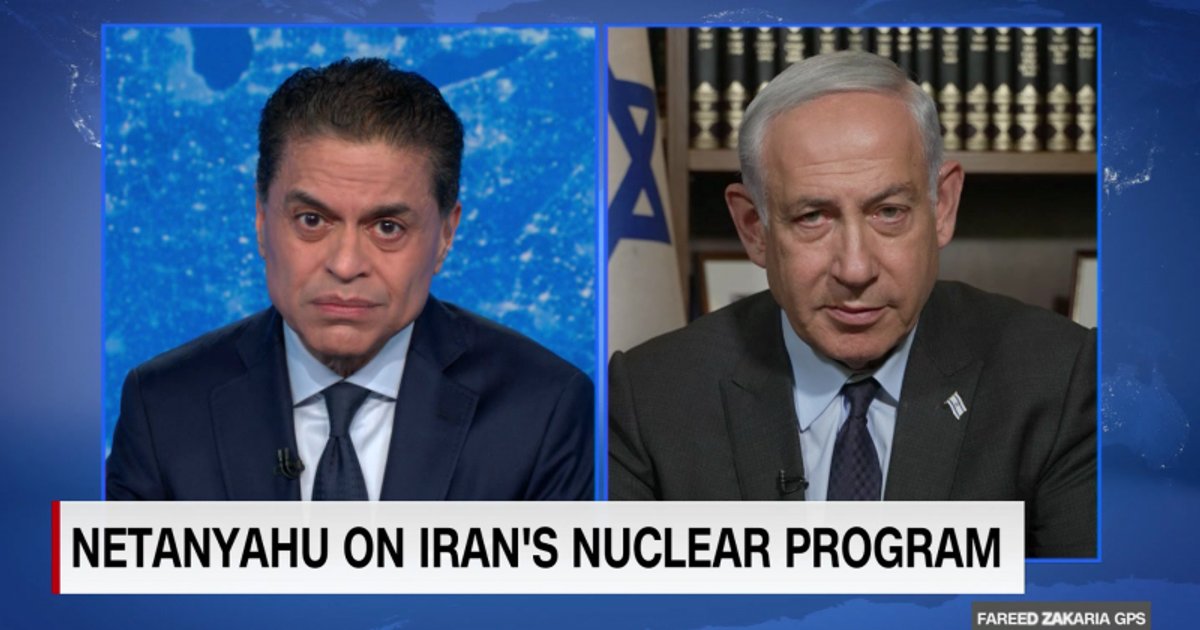
International fears are escalating regarding Iran's ability to develop a nuclear weapon, with estimates suggesting that Tehran could produce a nuclear bomb in a short timeframe. Israeli Prime Minister Benjamin Netanyahu has stressed the need for stringent measures to counter this threat, indicating that Iran is actively seeking to assemble a nuclear weapon.
In this context, Netanyahu stands out as a prominent voice warning of the risks associated with Iran's nuclear capabilities. He pointed out that this situation constitutes an existential threat to Israel, necessitating immediate action from the international community.
Details of the Situation
Reports indicate that Iran may have made significant progress in its nuclear program, raising concerns within Israeli and international circles. Israel has expressed its readiness to take preemptive steps to ensure its security, including enhancing cooperation with its traditional allies.
The Israeli warnings come at a sensitive time, as tensions in the region are escalating, complicating the security landscape further. Some observers have suggested that these warnings may be part of an Israeli strategy to pressure the international community into adopting a firmer stance against Iran.
Background & Context
Historically, Iran has been a focal point of security concerns in the Middle East, with rising fears that its nuclear program could be used for military purposes. Recent years have seen an increase in tensions between Iran and Israel, with the latter viewing any Iranian nuclear advancement as a direct threat to its security.
In this context, there have been multiple international attempts to reach an agreement with Iran regarding its nuclear program, but these efforts have not achieved significant success, further complicating the situation. Some countries, including the United States, have indicated a willingness to reconsider their policies towards Iran if the latter continues to develop its nuclear capabilities.
Impact & Consequences
If Iran succeeds in developing a nuclear weapon, it could drastically alter the balance of power in the region. This may lead to a nuclear arms race in the Middle East, with other countries potentially seeking to develop their nuclear programs as a means of countering the Iranian threat.
This situation could also affect relations among major powers in the region, as some countries may be forced to reassess their security and military strategies. Such developments could increase tensions and conflicts in the region, negatively impacting regional stability.
Regional Significance
This situation poses a significant challenge for Arab countries, which may need to adopt clear positions regarding Iran's nuclear program. This could have direct implications for the national security of Arab states, necessitating enhanced security cooperation among them.
Under these circumstances, Arab nations may need to bolster their defensive capabilities and collaborate with major powers to ensure their security. There is also an urgent need to develop comprehensive strategies to address potential threats from Iran, including enhancing dialogue and regional cooperation.
In conclusion, concerns over Iran's nuclear program remain a central issue in regional politics, with the current situation requiring urgent action from the international community and Arab states to ensure security and stability in the region.