In a provocative move, a high-ranking Iranian official has threatened to punish Israel in response to its repeated assaults on Lebanon, which he described as a clear violation of the ceasefire. The official emphasized that "the ceasefire applies to the region, and Israel is known for breaking its promises; it will only be deterred by force."
In a related context, the Iranian Fars news agency reported, citing an unspecified military source, that Iran is preparing to respond to Israeli aggressions. This threat emerges at a time when the Middle East is experiencing escalating tensions, raising concerns about the potential for increased conflict in the area.
Details of the Situation
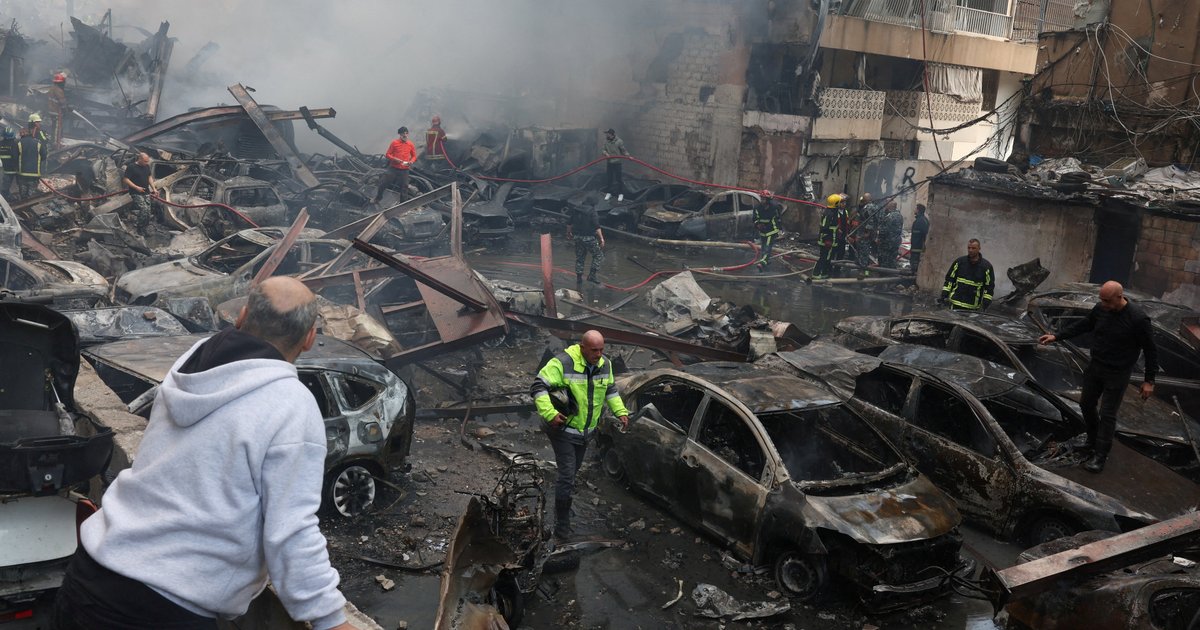
Tensions between Iran and Israel are escalating due to Israel's ongoing attacks on Lebanon, with Iran accusing Tel Aviv of violating international agreements and the ceasefire. In recent days, there has been a series of Israeli strikes on sites in Lebanon, prompting Iranian officials to warn of the consequences of these actions.
These statements are part of Iran's strategy to defend its allies in the region, particularly the Lebanese Hezbollah, which is considered one of Iran's key proxies in the conflict with Israel. This Iranian threat reflects the ongoing tensions in the region, where each party seeks to strengthen its military and political position.
Background & Context
Historically, relations between Iran and Israel have been strained since the Islamic Revolution in Iran in 1979. Since then, Iran has supported resistance movements in the region, including Hezbollah, which many observers view as a tool for Iranian influence in Lebanon.
In recent years, Israeli attacks on Iranian positions in Syria and Lebanon have increased, leading to heightened tensions. Israel views Iran's presence in these areas as a threat to its national security, while Iran perceives these attacks as violations of its sovereignty and rights.
Impact & Consequences
The Iranian threats could escalate the conflict in the region, with potential military responses from both sides in the coming days. Analysts suggest that any escalation may have serious repercussions for regional security and could draw other countries into the conflict.
Moreover, the ongoing tensions between Iran and Israel could impact peace efforts in the region, complicating any attempts at diplomatic agreements. These events may also affect global markets, particularly in the energy sector, as the region is a major source of oil.
Regional Significance
These developments are indicative of the rising tensions in the Middle East, which could significantly affect regional stability. The situation remains fluid, and the potential for conflict escalation poses risks not only to the countries directly involved but also to neighboring nations.
In conclusion, the Iranian threats against Israel highlight the fragile security landscape in the Middle East, where the balance of power is continually shifting, and the risk of broader conflict remains a pressing concern.