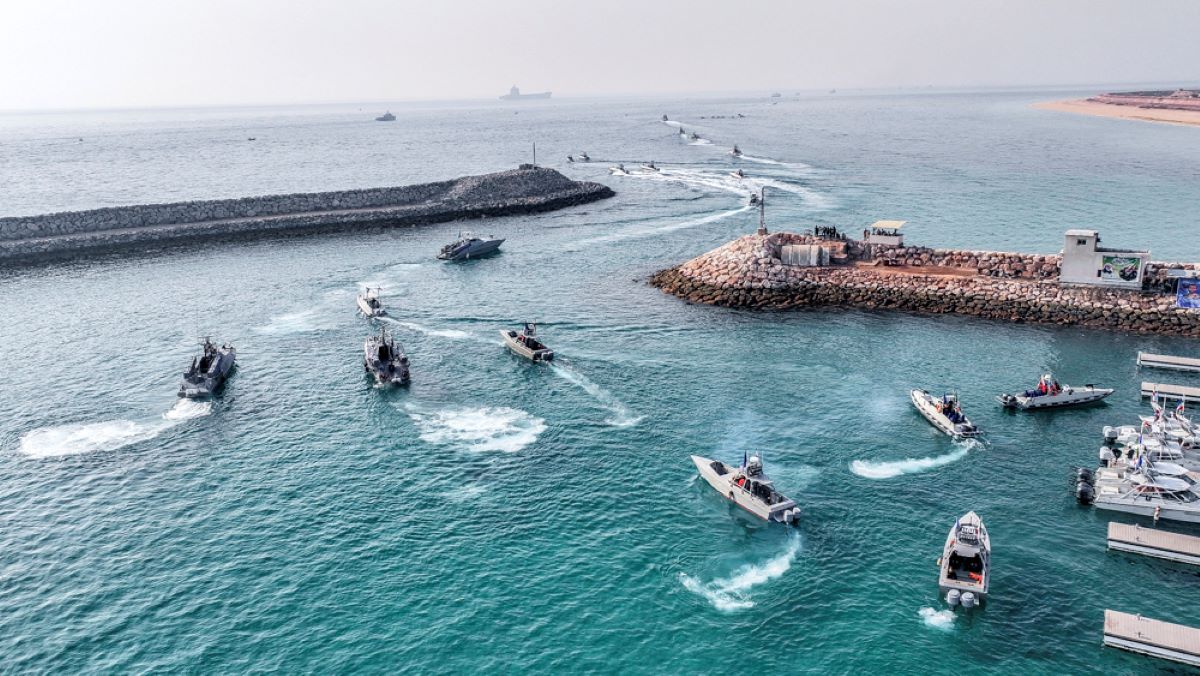
Iran has issued threats to ships attempting to cross the Hormuz Strait without prior permission. This statement comes at a sensitive time marked by escalating tensions in the region, where the Hormuz Strait is a vital transit point for approximately 20% of global oil supplies.
These threats are part of Iran's defensive policy, as it seeks to assert control over strategic waterways. Iranian officials have indicated that any vessel crossing the strait without permission will face severe consequences, heightening tensions between Iran and Western nations.
Details of the Incident
These threats arise amid rising tensions between Iran and the United States, especially following the latter's withdrawal from the nuclear agreement in 2018. The region has witnessed several incidents involving commercial vessels, raising international concerns about navigation safety in this critical area.
In recent years, Iran has bolstered its military presence in the region, including deploying naval forces in the Hormuz Strait. Reports have indicated that Iran has conducted naval exercises in the area, reflecting its readiness to confront any potential threats.
Background & Context
The Hormuz Strait is one of the busiest waterways in the world, with numerous commercial vessels passing through it daily. Historically, the strait has seen many military conflicts, particularly during the Iran-Iraq War in the 1980s.
Through these threats, Iran aims to strengthen its position in international negotiations, hoping to gain concessions from Western nations regarding its nuclear program. Additionally, these threats are part of the broader regional conflict between Iran and its allies on one side, and the United States and its allies on the other.
Impact & Consequences
These threats could lead to increased tensions in the region, potentially affecting global oil prices. Should any escalation occur, financial markets may experience significant volatility, adversely impacting the global economy.
Furthermore, these threats may result in an increased U.S. military presence in the region, as the United States may seek to protect its interests and those of its allies. This situation could heighten the likelihood of military confrontations in the near future.
Regional Significance
Arab countries neighboring the Hormuz Strait, such as the United Arab Emirates and Saudi Arabia, are among the most affected by these threats. Any escalation in the region could disrupt trade and transportation, leading to negative economic repercussions.
Moreover, tensions in the Hormuz Strait may exacerbate political divisions among Arab states, as their positions towards Iran and the United States may vary. Under these circumstances, Arab nations need to adopt clear stances to protect their national interests.
In conclusion, the situation in the Hormuz Strait remains under close observation, as fears of military escalation that could impact regional and international security grow. The current situation requires the international community to take effective steps to reduce tensions and ensure navigation safety in this vital area.