In a serious development in the Gulf region, the Iranian military announced today that it will target energy infrastructure and desalination plants if U.S. President Donald Trump carries out his threats to destroy Iranian energy facilities. These statements come at a time when relations between Tehran and Washington are experiencing unprecedented tension, raising fears of a potential military escalation.
The Iranian military spokesperson, Ibrahim Zolfaghari, clarified in a statement that Iran will respond to any aggression targeting its infrastructure with military operations aimed at U.S. power stations and the "Zionist entity." This reflects the increasing mutual threats between the two sides, as military rhetoric has intensified recently.
Iranian Military Statements
During his statement, Zolfaghari emphasized that Iran's response to any attack on its infrastructure would be swift and severe. He noted that the Iranian military is fully prepared to defend its interests and will not hesitate to act against perceived threats. This declaration underscores the seriousness with which Iran views the current situation and its readiness to engage militarily if necessary.
Iran's Reactions
In a parallel stance, Iranian Foreign Ministry spokesperson Ismail Baghaei stated that Tehran will not wait for restrained reactions, stressing that calls for restraint should be directed at aggressors, not at those defending themselves. These remarks reflect Iran's determination to protect its national interests in the face of American threats.
Trump's Threats
It is noteworthy that Trump's statements gave Tehran a 48-hour ultimatum to open the Strait of Hormuz to maritime traffic, threatening to destroy Iranian energy facilities if compliance is not met. In a post on his "Truth Social" account, Trump indicated: "If Iran does not fully open the Strait of Hormuz without any threat within 48 hours, we will strike its power stations, starting with the largest." These comments signal a dangerous escalation in the Strait of Hormuz, a vital point for maritime navigation.
Economic Implications
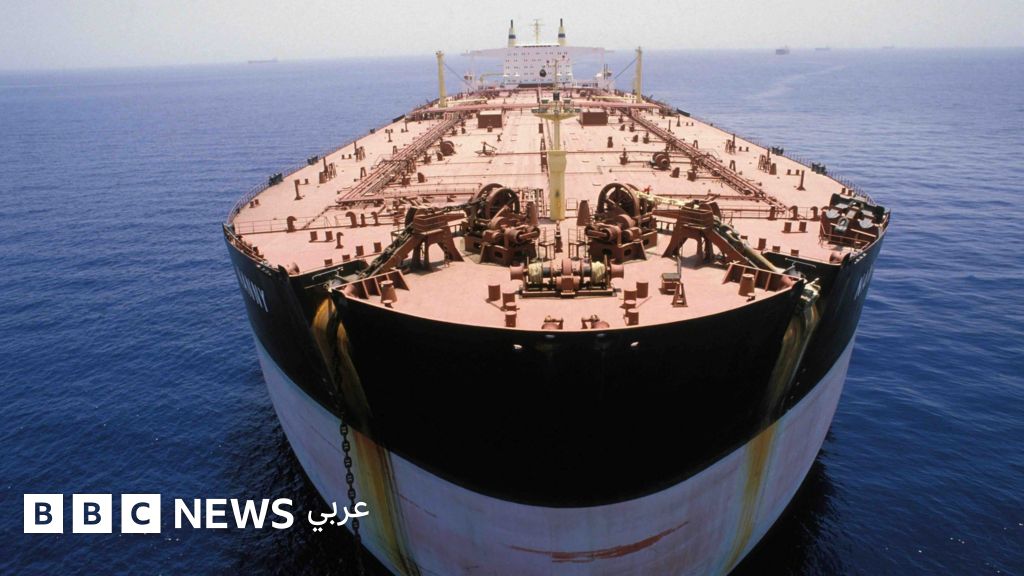
The Strait of Hormuz is a passage through which approximately 20 million barrels of oil pass daily, making any military operations in this area likely to destabilize the global oil market. Any escalation in this context could lead to increased shipping and insurance costs, raising global concerns about the potential economic impact.
Ongoing Tensions
At the same time, Trump has previously stated that his country has achieved its military objectives against Iran ahead of schedule. Since February 28, U.S.-Israeli military operations against Iran have continued, resulting in the deaths of dozens, including senior military leaders. In response, Tehran continues to retaliate by launching missiles at U.S. targets in neighboring countries, further heightening security tensions in the region.
Impact on Regional Security
The escalating repercussions associated with U.S. policies towards Iran cast a shadow over many Arab countries, as the stability of this region directly affects regional security. Under these circumstances, Arab nations must take proactive steps to ensure their security and stability.
In conclusion, the current events in the Gulf region are of significant importance due to their direct impact on regional security and global markets. Any military escalation could destabilize the area and affect oil prices, reflecting on the global economy.