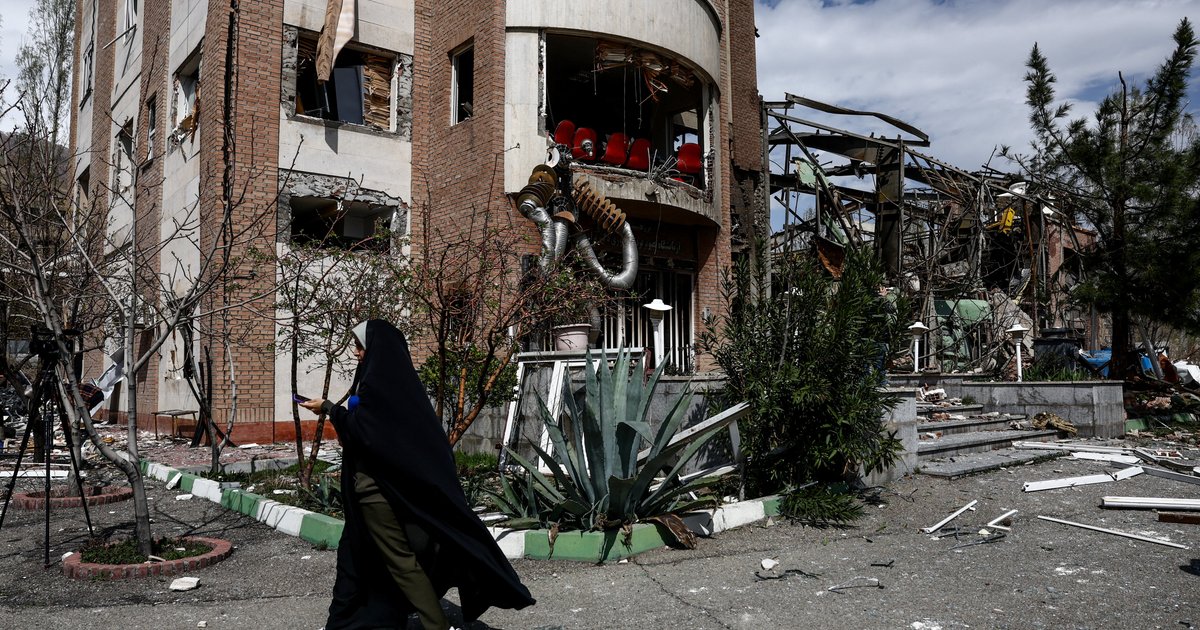
Iran has declared that it has prepared a diplomatic response to the United States. The spokesperson for the Iranian Foreign Ministry, Ismail Baqaei, stated that Tehran will announce the details of this response in due time. This move comes as part of ongoing efforts to end the existing conflict and reopen the Strait of Hormuz, one of the world's most crucial waterways.
The proposed plan, dubbed 'Islamabad Agreement', includes an immediate ceasefire, with a timeframe of 15 to 20 days set to finalize a broader agreement addressing outstanding issues between the two sides. This announcement comes at a sensitive time, as tensions in the region continue to escalate due to the ongoing conflict.
Details of the Event
The Iranian plan involves reopening the Strait of Hormuz, a vital passage through which approximately 20% of the world's oil flows. This step could help alleviate the economic and political tensions plaguing the region, especially with the ongoing sanctions imposed on Iran by the United States.
The Strait of Hormuz is considered a strategic point, having witnessed numerous incidents in recent years that have heightened tensions between Iran and the United States. In this context, the Islamabad Agreement is viewed as an opportunity to rebuild trust between the two parties.
Background & Context
Historically, Iranian-American relations have experienced significant fluctuations, deteriorating markedly after the Islamic Revolution in 1979. Since then, Iran has become a target of U.S. policies, leading to the imposition of severe economic sanctions. These policies have exacerbated the economic and social conditions in Iran, prompting the government to seek diplomatic solutions.
In recent years, there have been multiple attempts to revive dialogue between the two sides, but these efforts have often faced substantial obstacles. Nevertheless, Iran's announcement of its willingness to respond diplomatically may indicate a potential shift in approach.
Impact & Consequences
If the Islamabad Agreement is successfully implemented, it could lead to a reduction in tensions in the region, contributing to the stability of global oil markets. Additionally, reopening the Strait of Hormuz could be seen as a positive step toward improving relations between Iran and the United States, potentially paving the way for further negotiations on other issues.
However, the question remains regarding the United States' readiness to respond positively to this initiative, especially given the current political circumstances. These developments may also affect U.S. relations with its allies in the region, who are closely monitoring the situation.
Regional Significance
The neighboring Arab states of Iran, such as Saudi Arabia and the UAE, are among those most affected by developments in the Strait of Hormuz. Any improvement in Iranian-American relations could lead to greater stability in the region, benefiting Arab economies.
Ultimately, there is hope that these diplomatic initiatives will yield tangible results, contributing to peace and stability in a region plagued by ongoing conflicts.