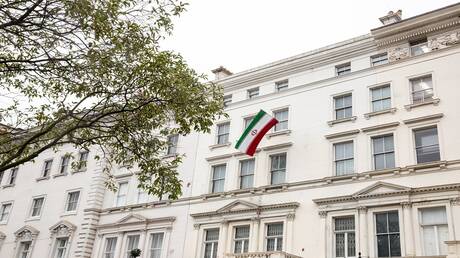
Iran has confirmed that it remains committed to ensuring safe passage through the Strait of Hormuz, which is one of the most important waterways in the world, through which approximately 20% of the world's total oil passes. In this context, the Iranian government has called on its British counterpart to take a historic position and stand on the "right side of history," referring to the recent international meeting organized by London to discuss ways to open the strait.
These statements come at a time when the region is witnessing increasing tensions, as major powers seek to enhance maritime security in the Strait of Hormuz, which is considered a vital artery for the global economy. The strait has seen numerous incidents in recent years that have affected shipping movements, prompting concerned nations to seek effective solutions to ensure navigation safety.
Details of the Event
At the meeting organized by Britain, ways to enhance security in the Strait of Hormuz were discussed, with participation from several concerned nations. Tehran has emphasized in its statements that it will not allow any threats to affect navigation in this strategic corridor. The spokesperson for the Iranian Foreign Ministry also indicated that the country would take all necessary measures to ensure the safety of passing vessels.
On the other hand, Iran has expressed its readiness to cooperate with other countries to ensure security in the region, stressing the importance of dialogue and understanding between nations instead of military escalation. Iran believes that any reckless steps could exacerbate the situation in the region, which could negatively impact the global economy.
Background & Context
The Strait of Hormuz is a vital transit point for oil and natural gas, with nearly 15 million barrels of oil passing through it daily. In recent years, tensions have escalated between Iran and Western nations, especially following the United States' withdrawal from the Iranian nuclear deal in 2018. This withdrawal led to the imposition of severe economic sanctions on Iran, further intensifying tensions in the region.
Additionally, repeated incidents in the strait, such as the detention of vessels, have raised concerns in the international community, prompting some countries to consider sending forces to protect navigation. However, Iran views these steps as potentially escalating the situation rather than improving it.
Impact & Consequences
Iran's recent statements could significantly affect international relations in the region, as they may contribute to de-escalating tensions or conversely, lead to an escalation. If Iran continues to assert its commitment to ensuring security in the Strait of Hormuz, it may open the door for broader dialogue with Western nations.
Conversely, if Western nations continue to take military actions, this could provoke Iranian responses that may include escalating military activities in the region, increasing instability.
Regional Significance
The Arab countries neighboring the Strait of Hormuz, such as the UAE and Saudi Arabia, are among the most affected by the tensions in this waterway. Any escalation in the region could impact oil prices and heighten anxiety in global markets.
Moreover, the stability of the Strait of Hormuz is vital for Arab countries that heavily rely on their oil exports. Therefore, any steps aimed at enhancing security in the strait would be welcomed by these nations, as they would contribute to market stability and enhance regional cooperation.
In conclusion, the Strait of Hormuz remains a vital center for global trade, reflecting the current tensions in the region and the importance of dialogue and cooperation among nations to ensure navigation safety and global economic stability.