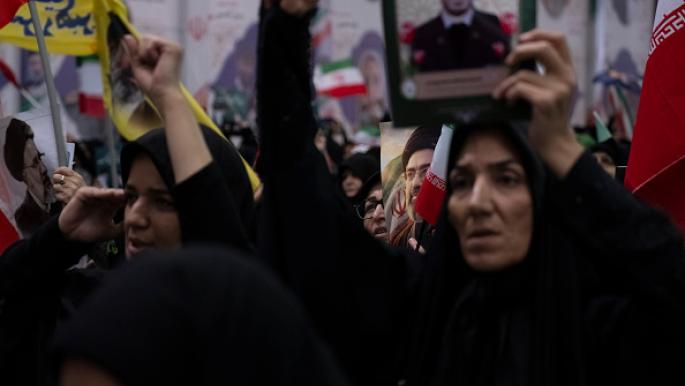
The focus is on the ongoing negotiations between Iran and the United States, as both parties strive to finalize an agreement that could contribute to ending the ongoing war in the region. Despite the optimism surrounding these talks, caution still prevails, reflecting the complexities of the current situation.
The negotiations encompass a range of contentious issues, including Iran's nuclear program and its support for militias in the region. Both sides have expressed a willingness to reach compromises, yet obstacles persist, making it difficult to set a definitive deadline for an agreement.
Details of the Negotiations
The negotiations are part of ongoing international efforts aimed at achieving stability in the Middle East. Officials from both sides have indicated that there has been notable progress, but they warned that the road ahead remains long. In this context, meetings between diplomats continue, with ideas and proposals being exchanged periodically.
This dialogue is part of broader efforts that include other countries in the region, as all parties seek to achieve lasting peace. Reports have confirmed a strong desire from the United States to revive the nuclear agreement that was abandoned in 2018.
Background & Context
Historically, relations between Iran and the United States have been marked by severe tensions, especially following the Iranian Revolution in 1979. Since then, there have been several attempts at negotiations, but they have often ended in failure. With the escalation of conflicts in the region, finding a comprehensive solution that ensures security and stability has become essential.
These negotiations intersect with other issues such as the conflicts in Syria and Yemen, where Iran plays a key role in supporting certain factions. Therefore, any agreement reached will have wide-ranging implications for the overall situation in the region.
Impact & Consequences
If an agreement is reached, it could potentially ease tensions in the region, opening the door to new investments and boosting the economy. Additionally, ending the war could help improve relations between Arab countries and Iran, creating a more stable environment.
On the other hand, the negotiating parties may face internal challenges, as any agreement could encounter opposition from certain political factions in both countries. Thus, the success of these negotiations largely depends on the ability to overcome these obstacles.
Regional Significance
The success of the negotiations between Iran and the United States represents a potential turning point for the Arab region. Ending conflicts could enhance cooperation between Arab countries and Iran, contributing to greater stability. It may also open doors for joint developmental projects.
In conclusion, the negotiations between Iran and the United States remain a focal point of significant interest, as the region eagerly awaits their outcomes. Any progress in this context could have far-reaching effects on security and stability in the Middle East.