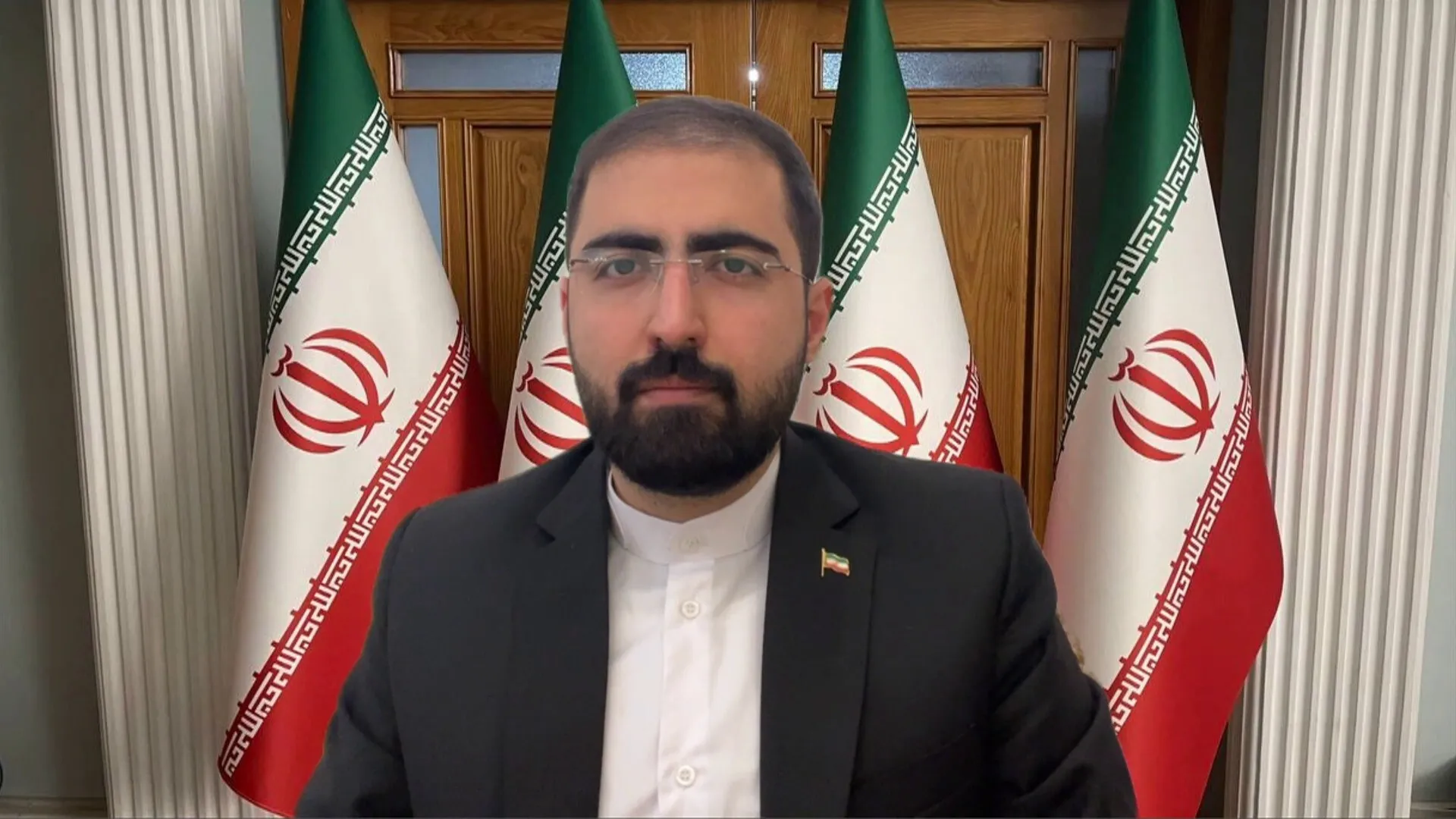
Ali Safari, advisor to the Iranian Foreign Ministry spokesperson, confirmed that the future of negotiations between Tehran and Washington now rests in the hands of the latter. He clarified that Iran is serious about the diplomatic path, but the lack of trust in American approaches hinders any progress.
In an interview with Al Jazeera Mubasher, Safari pointed out that the Iranian side has responded to proposals from the Pakistani mediator, explaining that the main obstacle lies not in communication channels but in the "American methodology" that relies on pressure and threats rather than serious diplomacy.
Details of the Event
Hopes for resuming negotiations increased after Iranian Foreign Minister Abbas Araghchi arrived in Islamabad, where the White House announced the intention of both Steve Mnuchin and Jared Kushner to resume talks with Tehran. However, these hopes quickly faded with Araghchi's departure from the Pakistani capital and Trump's announcement to cancel the travel of his envoys to Pakistan.
This development opened the door to several scenarios, including a return to military options or continuing the blockade on Iranian ports and closing the Strait of Hormuz. Safari confirmed that recent steps by the US administration, such as sending mine-sweeping ships to the Strait of Hormuz, reflect Washington's lack of seriousness in reaching a sustainable solution.
Context and Background
Historically, Iranian-American relations have been marked by ongoing tensions, manifested in economic sanctions and the maritime blockade imposed on Iran. Tehran has repeatedly attempted to open diplomatic channels, but contradictory American statements reflect Washington's lack of commitment to previous understandings.
In this context, Safari referred to a tweet by Araghchi on the platform "X", where he announced Iran's readiness to open the Strait of Hormuz to all ships as a confidence-building measure. However, Trump's response confirmed the continuation of the maritime blockade, thwarting any potential positive steps.
Impact and Consequences
Iranian statements emphasize that Tehran will not succumb to pressure policies to achieve political gains. Furthermore, any progress in negotiations requires a "process of rebuilding trust" that is currently absent due to American behavior. This indicates that negotiations may face additional difficulties in the near future.
Safari also highlighted the significance of Araghchi's current visit to Muscat, describing Oman as a strategic partner and historical mediator in the Strait of Hormuz issue. Discussions there will address bilateral files and the negotiations with Washington, in an attempt to break the deadlock imposed by the US's "maximum pressure" policy.
Impact on the Arab Region
Developments in Iranian-American relations directly affect security and stability in the Arab region. Continued tensions could lead to military escalation in the Gulf, threatening maritime navigation and intensifying regional conflicts.
In conclusion, the situation in the Strait of Hormuz remains a pivotal point in international relations, requiring genuine diplomatic efforts to end the current stalemate and achieve stability in the region.