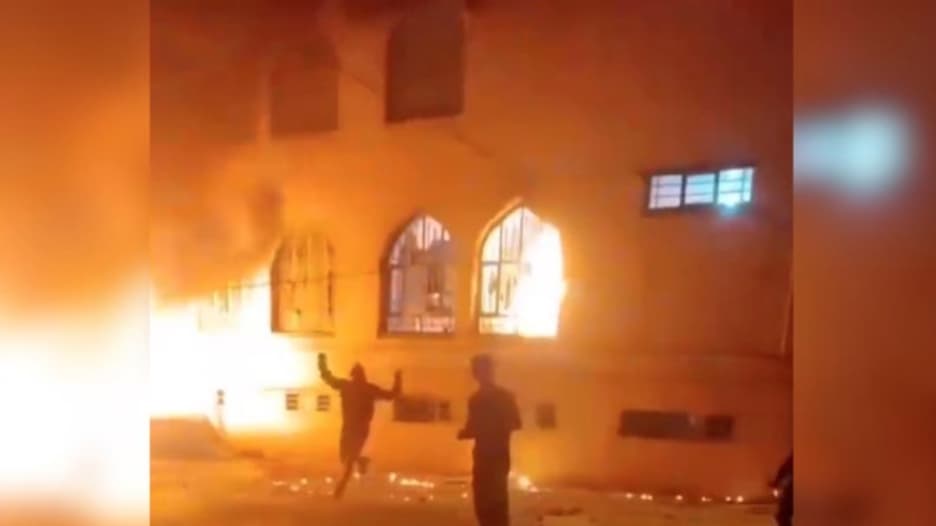
In September 2015, a conference was held in Tehran addressing the topic of 'Victims of Iranian Terrorism', where many incidents were cited that portray Iran as a victim of terrorism supported by the United States and Israel. The conference presented painful stories focusing on the thousands of Iranians who lost their lives at the hands of the terrorist organization Mujahedin-e Khalq, as well as the Iranian scientists who were assassinated, with some reports indicating the role of Israeli intelligence in these crimes.
Several speakers took to the stage at the conference, which saw attendance from personalities across the globe, highlighting these issues. One prominent intervention came from a speaker from Spain, who shared his experience and mentioned his dialogues with Iranian ambassadors in Spain regarding Iran's pursuit of nuclear weapons, which was met with rejection for religious reasons, reflecting the challenges the country faces within the context of international politics.
Conference Details and Objectives
The conference was initiated by official bodies in Iran, aiming to shed light on the damages inflicted upon the Iranian populace due to terrorism financed and supported by Western countries. Various political and academic figures were invited to exchange views on how to confront this phenomenon and the challenges posed to Iran as a result of these external influences.
The conference allowed participants to discuss personal and historical accounts of the victims, showcasing real stories of scientists who were assassinated, which resonated deeply with the audience. This event may reflect part of the tensions in Iran's relationships with Western countries, particularly in light of the hostile policies pursued by some of these nations toward the Islamic Republic of Iran.
Historical Context and Background
Historically, Iran has witnessed numerous crises resulting from foreign interventions. Since the Islamic Revolution in 1979, the country has been subjected to various assaults and pressures from major powers, exacerbating security and economic conditions. This ongoing history of assassinations and interventions contributes to the overall image of Iran as a state targeted by great powers.
It is essential to understand that the actors from the Mujahedin-e Khalq organization, whom Iranian authorities accuse of acting as tools for Western agendas, have caused wide-ranging tragedies, thereby underscoring the importance of addressing the topic of victims during events like the mentioned conference.
Consequences and Wider Impact
The financing and support provided by the United States and Israel to hostile organizations in the region have impacted security stability. Given the current circumstances, the continuous exposure to terrorist attacks will exacerbate the state of chaos in the Middle East, potentially leading to greater threats for neighboring countries.
International media plays a significant role in shaping the public perception of Iran, often neglecting to cover events from a perspective that highlights the human side, instead focusing solely on violations carried out by Iranian authorities. This contributes to reinforcing stereotypes about Iran, adding an additional burden on the nation.
Implications for the Arab Region
The repercussions of this situation manifest in affecting neighboring Arab countries, where the crises of the region are heavily intertwined. Many Arab nations are already bearing the burdens of tensions arising from Iranian conflicts with the West. This can impact bilateral relations between Arab nations and Iran, especially amid fears of increasing Iranian influence.
In conclusion, the effects stemming from events and discussions held around 'Victims of Terrorism' in Iran extend beyond the country's borders, influencing the overall fabric of security and stability throughout the region. As Arabs, we must be aware of these facts and contribute to understanding what is happening in our neighbor, Iran.