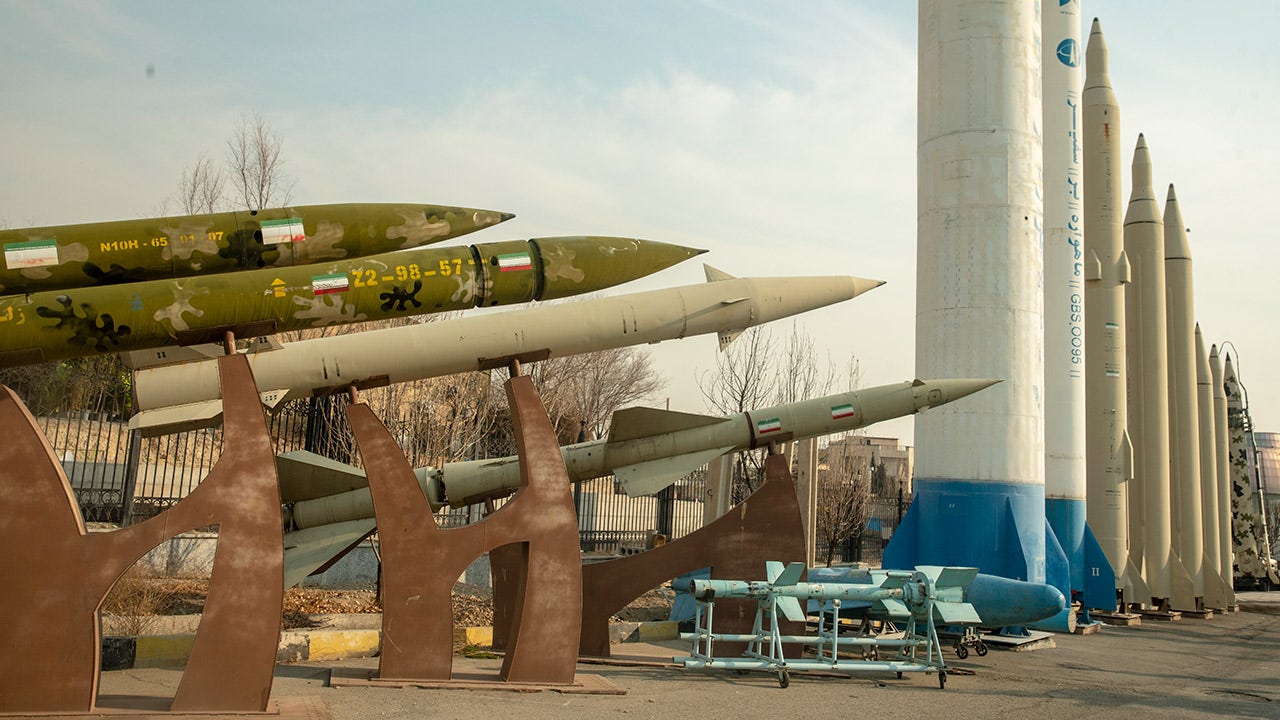
An aviation safety expert reports that the ongoing war in Iran is one of the most impactful conflicts on the aviation sector, causing radical changes in international flight operations. The repercussions extend beyond Iranian airspace, affecting several neighboring countries.
Concerns are growing that the continuation of the conflict in Iran could exacerbate security conditions in the region, negatively impacting air travel. The expert confirmed that many airlines have had to change their flight routes or cancel certain flights due to the tense security situation.
Details of the Conflict
Iran has been experiencing internal and external conflicts for several years, leading to a deterioration of security conditions. The expert noted that this war has directly affected air traffic, with a significant decrease in the number of flights heading to Iran.
Additionally, neighboring countries such as Iraq and Turkey have also been indirectly affected. Some countries have closed their airspace to flights heading to Iran, complicating air travel in the region.
Background & Context
The roots of the conflict in Iran trace back to long-standing political and economic tensions. Since the Islamic Revolution in 1979, the country has witnessed numerous conflicts that have led to a deterioration of both internal and external conditions. Economic sanctions imposed on Iran have further exacerbated the situation, impacting all sectors, including aviation.
In recent years, tensions between Iran and the United States have escalated, leading to increased regional tensions. Experts have indicated that these tensions could lead to a greater escalation of the conflict, adversely affecting air travel.
Impact & Consequences
The impacts of the war in Iran extend beyond its borders, affecting air travel worldwide. Reports have shown that many major airlines have had to alter their flight paths, increasing operational costs.
Moreover, the continuation of the conflict may lead to higher ticket prices, as airlines will need to compensate for losses incurred from route changes. Passengers may also face frequent delays and cancellations, increasing their hardships.
Regional Significance
Arab countries neighboring Iran are among the most affected by the conflict. Air traffic between these countries and Iran has seen a noticeable decline, impacting tourism and trade. Many Arab nations have taken precautionary measures to enhance security in their airspace.
Concerns are rising that the continuation of the conflict could lead to greater escalation in the region, negatively affecting economic and social conditions. Therefore, it is crucial for Arab countries to collaborate in enhancing security and stability in the region.
In conclusion, it is evident that the war in Iran has profound effects on the aviation sector, necessitating urgent action from all parties involved to mitigate these repercussions. Strengthening regional and international cooperation may be the optimal solution to ensure the safety of air travel and stabilize conditions in the region.