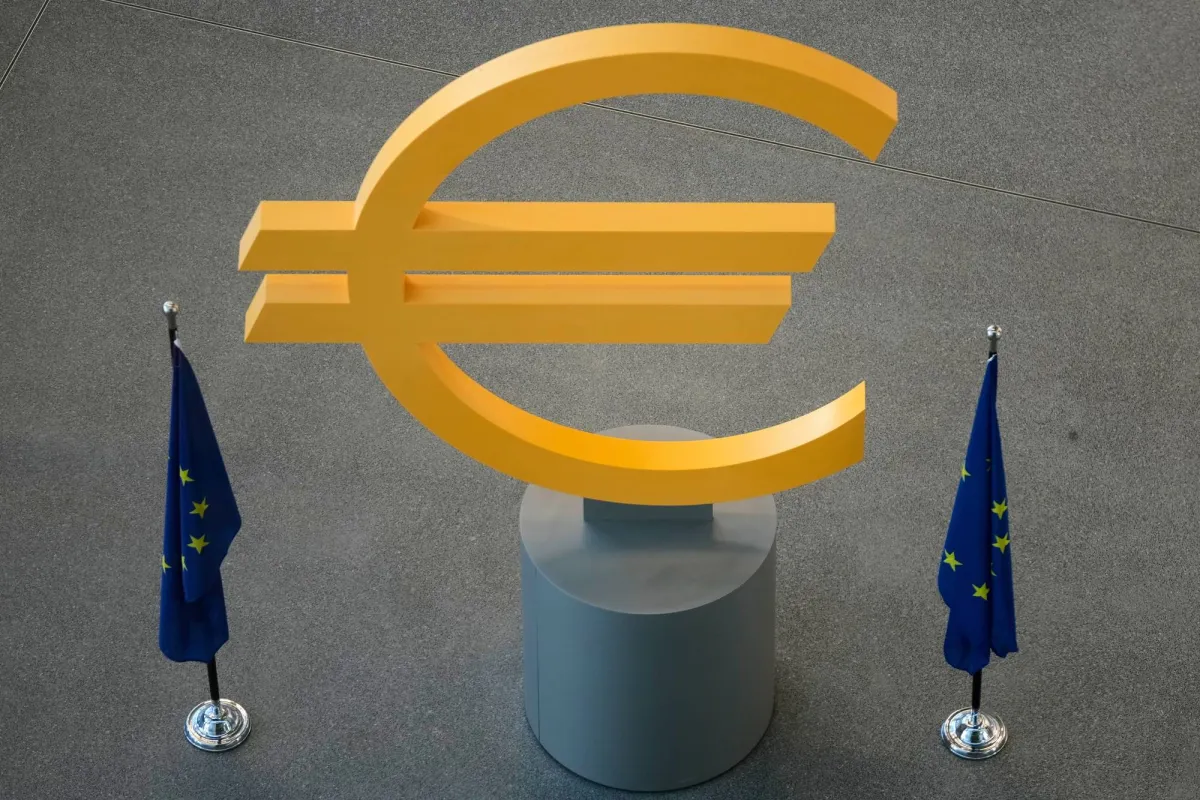
Philippe Lane, the chief economist at the European Central Bank, stated that the shock from the Iran war will leave profound effects on inflation rates in the Eurozone. He explained that these effects will persist even if a swift resolution to the military conflict is reached.
Lane made these remarks during a financial conference in Tokyo, where he pointed out that history indicates that oil prices typically return to previous levels after sharp spikes. However, the current situation may be different, as countries are seeking to rebuild their strategic reserves and diversify energy sources, which could keep fuel costs elevated for a longer period.
Details of the Event
Lane revealed a significant decline in global oil supply over the past hours, which current inventories have temporarily managed to mitigate. However, he warned that the side effects will linger for a long time, noting that the sudden rise in costs could trigger complex inflationary mechanisms.
Financial markets have priced in two consecutive increases in deposit interest rates at the European Central Bank, with expectations of a potential third increase next year. Nevertheless, a Reuters survey showed that analysts expect only two hikes, followed by a rate cut by mid-2027.
Background & Context
These statements come at a time when markets are experiencing increasing inflationary pressures, as gold prices have fallen to their lowest levels in two months due to the fallout from U.S. strikes on Iran. This has led to a rise in the dollar and oil prices, heightening market concerns about accelerating inflation.
Gold dropped by 1.7% in spot transactions, while oil prices surged by over 3% following the announcement by the Iranian Revolutionary Guard of targeting a U.S. airbase. These developments reflect a state of uncertainty in financial markets, where analysts expect high oil prices to keep interest rates elevated for an extended period.
Impact & Consequences
Concerns are growing that these developments could exacerbate economic conditions in the Eurozone, where many countries rely on energy imports. This could lead to increased costs for consumers and businesses, potentially negatively impacting economic growth.
Moreover, rising oil prices could affect the stability of global financial markets, as analysts predict that inflationary pressures will continue to influence central bank monetary policies. This may lead to difficult decisions regarding interest rate hikes, which could affect future economic growth.
Regional Significance
The Arab region is significantly affected by developments in Iran, as oil prices are a crucial factor in the stability of many countries' economies. Rising prices may increase revenues in some oil-producing nations, but they could also create economic pressures in importing countries.
In light of these circumstances, Arab nations must closely monitor developments, as any changes in policies or military events could impact the overall stability of the region.