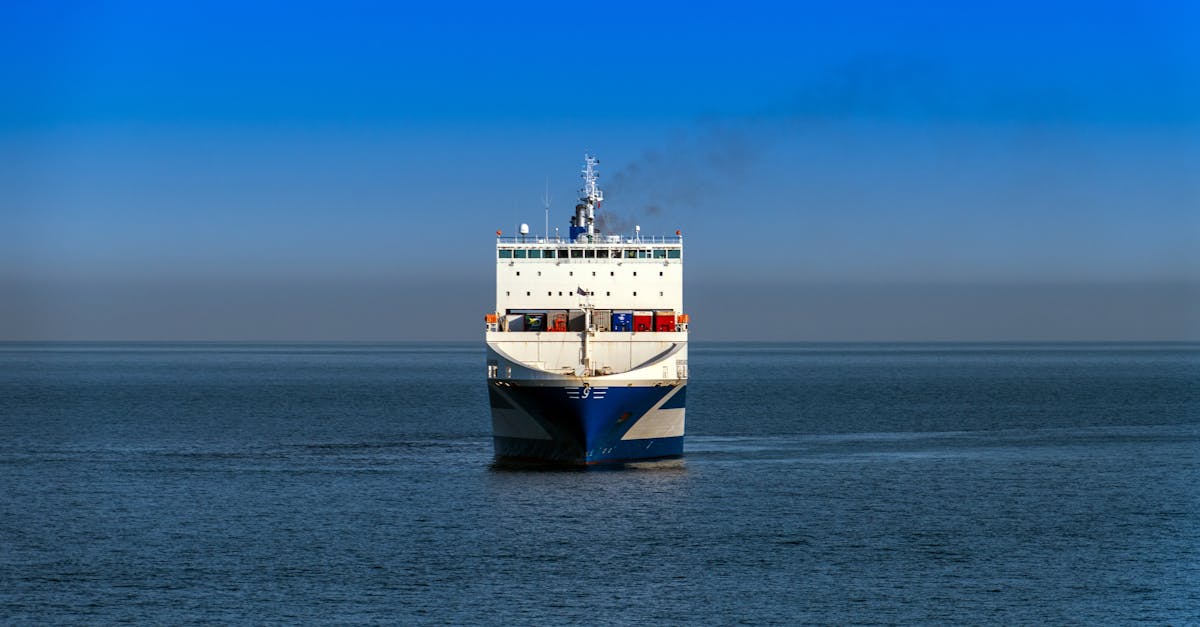
Iran has issued a stern warning against any French or British military actions in the Hormuz Strait, emphasizing that it will respond forcefully to any threats to its sovereignty. These warnings come at a time when the region is experiencing heightened tensions, particularly following recent statements from Western officials.
In statements made by Iranian officials, it was emphasized that any military movements by France or Britain in the area would be considered a crossing of red lines. They indicated that Iran possesses the capability to protect its interests and national security, and it will not hesitate to take necessary measures to defend itself.
Details of the Event
These warnings come amid escalating tensions in the Hormuz Strait, which is considered one of the most important maritime passages in the world, through which approximately 20% of the world's total oil passes. The region has witnessed numerous incidents in recent years that have escalated the situation, raising concerns within the international community.
Iran, which considers the Hormuz Strait part of its territorial waters, has repeatedly affirmed that it will take all necessary measures to protect its sovereignty. Iranian spokespersons have indicated that any military actions by Western countries would be met with a strong reaction, increasing the likelihood of clashes in the region.
Background & Context
Historically, the Hormuz Strait has been a theater for numerous conflicts and tensions between Iran and Western countries. Since the Islamic Revolution in 1979, relations between Iran and the West have been marked by ongoing tension, particularly with the economic sanctions imposed on Tehran due to its nuclear program.
In recent years, military activities in the region have increased, with the United States and its allies deploying naval forces to the Arabian Gulf to monitor Iranian activities. This has led to heightened tensions, as Iran views these movements as a threat to its national security.
Impact & Consequences
The Iranian warnings serve as a notice to Western countries that any actions could lead to an escalation of the situation in the region. Should any escalation occur, it could significantly impact global oil prices, as the Hormuz Strait is a vital transit point for oil shipments.
Furthermore, any military conflict in the region could lead to widespread repercussions, including an influx of refugees and increased tensions between neighboring countries. It could also affect regional stability and exacerbate existing conflicts.
Regional Significance
Arab countries neighboring Iran, such as Iraq, Kuwait, and the UAE, find themselves in a sensitive position, as any escalation in the Hormuz Strait could directly impact their security and stability. These countries rely heavily on maritime trade, and any threats could disrupt shipping and trade flows.
In conclusion, the situation in the Hormuz Strait remains under close observation, as any new movements could lead to an escalation of tensions. The international community must work to de-escalate tensions and avoid any military escalation that could lead to catastrophic outcomes.