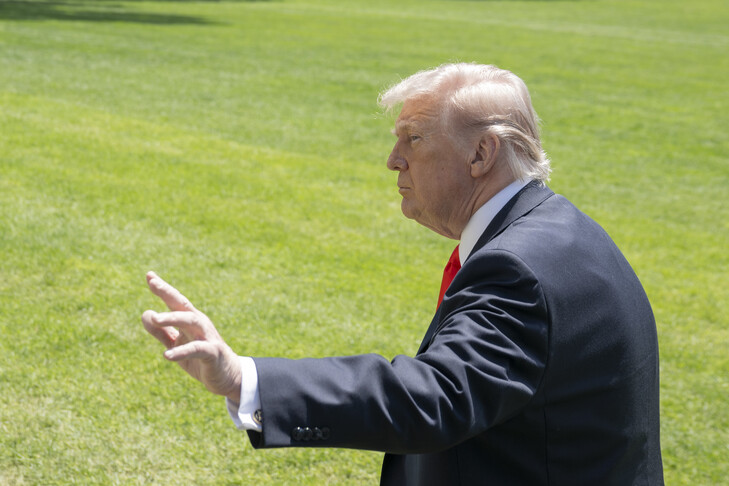
U.S. President Donald Trump has rejected the Iranian response conveyed through Pakistani intermediaries, reflecting the depth of disagreements between the two parties amidst stalled ceasefire efforts. This rejection occurs as tensions between the United States and Iran continue to rise, complicating the situation in the region.
The United States is seeking to stabilize the region through proposals for a ceasefire; however, the Iranian response did not include any significant concessions, indicating Tehran's steadfast position. Reports have shown that Pakistan plays a crucial role as a mediator between the two countries.
Mediation Efforts and Current Developments
Mediation efforts continue in an attempt to end the ongoing conflict, with Iran and the United States being the principal parties in this struggle. Sources have confirmed that Trump intends to take stricter measures if Iran continues to ignore U.S. proposals.
These developments come at a critical time, as fears of a potential military escalation in the region are increasing, necessitating urgent intervention from the international community.
Background & Context
Historically, relations between the United States and Iran have seen escalating tensions since Washington's withdrawal from the nuclear agreement in 2018. Since then, the United States has imposed severe economic sanctions on Iran, exacerbating the economic and social conditions in the country.
Iran is seeking to bolster its regional position by supporting its allies in the area, further complicating mediation efforts.
Impact & Consequences
The continuation of tensions between the United States and Iran could lead to military escalation, which would have negative repercussions on regional stability, oil prices, and global markets. Additionally, the failure of mediation efforts may worsen humanitarian conditions in conflict-affected areas.
As the situation develops, the international community remains watchful, aware that the stakes are high for both regional and global security.
Regional Significance
These events are crucial in understanding the balance of power in the Middle East and their impact on regional stability. The dynamics between the United States and Iran will likely influence not only the immediate area but also broader geopolitical relations.
In conclusion, the rejection of the Iranian response by Trump underscores the challenges in achieving a peaceful resolution and highlights the need for continued diplomatic efforts.