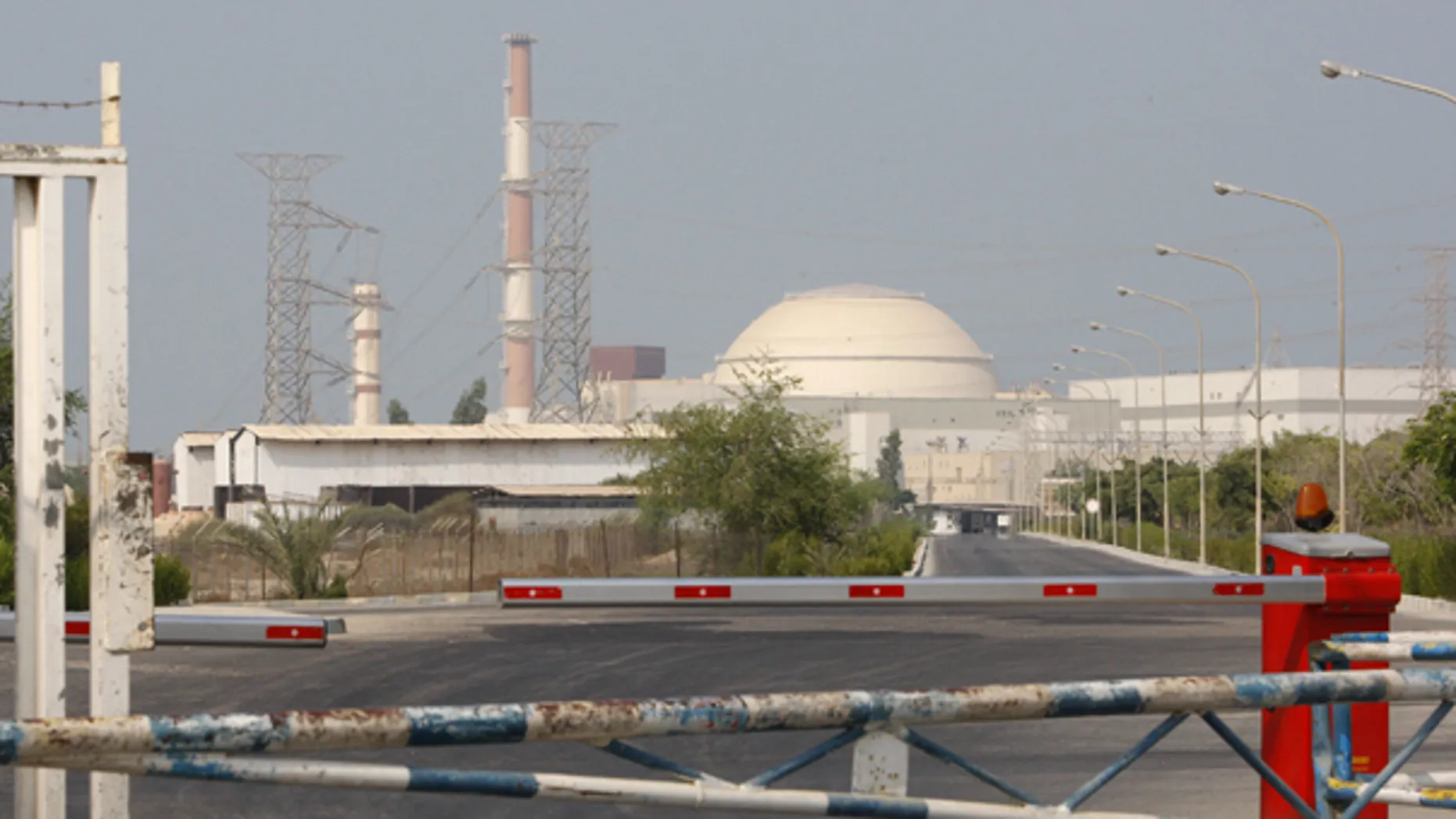
In a striking statement, Iranian Foreign Minister Abbas Araghchi warned that the ongoing attacks on the Bushehr nuclear plant would have catastrophic repercussions not only for Iran but also for the Gulf Arab states. This warning comes at a sensitive time as tensions escalate between Iran and the United States and Israel.
Araghchi, who made his remarks via the X platform, indicated that the attacks on the nuclear facility, believed to have been carried out by the United States and Israel, resulted in the death of one employee. He also noted that these attacks are not new, with three incidents recorded at the plant just in March.
Details of the Attacks
Araghchi elaborated on the assaults targeting the Bushehr facility, explaining that three attacks occurred on the dates of March 17, March 24, and March 27. He also pointed to other attacks on Iranian nuclear facilities, including the Natanz facility and the heavy water plant in Khondab. These incidents raise significant concerns about nuclear safety in the region.
Previously, the Iranian Atomic Energy Organization condemned these attacks, attributing responsibility to the United States and Israel. Iran has expressed its readiness to respond to these assaults, having already launched attacks on targets in Israel and American military sites in the region.
Background & Context
Historically, relations between Iran and the West have been marked by increasing tensions, especially after the United States withdrew from the nuclear agreement in 2018. Since then, mutual attacks between Iran and Western countries have escalated, heightening the risk of military confrontation in the region.
The Bushehr nuclear plant is one of Iran's key projects in the field of nuclear energy, having been operational with Russian assistance. However, the repeated attacks on it raise fears of a potential nuclear disaster that could impact neighboring countries.
Impact & Consequences
The repercussions of the attacks on the Bushehr plant extend beyond Iranian borders, as they could lead to radioactive leaks affecting the Gulf Arab states. This situation could trigger a serious humanitarian and health crisis, necessitating a swift international response.
Moreover, the escalation of attacks may increase tensions between Iran and Gulf countries, negatively impacting regional stability. It is crucial for the involved nations to take steps to de-escalate and avoid any potential military confrontation.
Regional Significance
The Gulf Arab states, including Saudi Arabia and the United Arab Emirates, are among the most affected by Iranian tensions. Any escalation in attacks or Iranian responses could impact security and stability in these countries, calling for regional and international cooperation to maintain peace.
In conclusion, the international community must take these threats seriously and seek diplomatic solutions to prevent any escalation that could lead to a humanitarian disaster in the region.