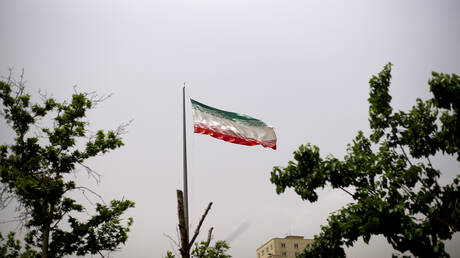
In a firm statement, the Iranian Defense Council announced that any attack targeting the energy infrastructure in the country will not go unanswered, emphasizing that Iranian authorities will respond decisively to any aggression. This announcement comes amid rising tensions in the region, as the Strait of Hormuz serves as the main channel for oil tankers between the Middle East and the rest of the world.
The Iranian council asserted, "the only way to pass through the Strait of Hormuz is to coordinate with us," reflecting Tehran's concerns over external provocations that could threaten its national security and vital economic resources.
Details of the Event
This warning comes at a sensitive time when the world is experiencing a wave of geopolitical tension. Iran considers any state’s infringement on the security of navigation in the Strait of Hormuz as an unacceptable transgression. Given that approximately 20% of total global oil exports pass through this strait, Tehran rejects any attempts to disrupt maritime traffic.
Moreover, the Iranian statements follow a series of incidents in the region, where some oil tankers have been attacked, increasing fears regarding regional stability and its effects on the global economy.
Background & Context
Tensions in the Gulf region have been escalating for years, especially after the United States withdrew from the Iranian nuclear agreement in 2018, which prompted re-imposition of sanctions on Iran. Iran’s response to those sanctions has manifested in bolstering the country's military capabilities and expanding its regional influence by supporting armed groups in countries like Iraq, Syria, and Yemen.
Iran aims to enhance its maritime defense capabilities, viewing the Strait of Hormuz as a vital artery. In recent years, oil tankers have suffered attacks, leading to increased military inspections and a greater U.S. military presence in the region.
Impact & Consequences
Iran's threat of a strong response aligns with the escalation of geopolitical tensions, impacting not just the Gulf but also the global scene. Any uncalculated move could result in the closure of the Strait of Hormuz, potentially leading to significant disruptions in global oil supplies, which would surge oil prices significantly and affect the global economy.
Furthermore, escalation in the Gulf could destabilize neighboring countries and heighten concerns over foreign interventions. Any military escalation in that region could incite new popular uprisings in area nations due to adverse economic and social impacts.
Regional Significance
The Gulf Cooperation Council (GCC) countries find themselves in a precarious position, as many of these states rely on oil exports and related revenues. Any threat to maritime navigation security could exacerbate existing economic crises in these nations, leading to social issues due to rising unemployment and poverty.
In addition, escalation will impact regional security and the strategic resilience of countries in the area, making conflict containment extremely challenging. Many Arab nations may find themselves compelled to reassess their military and diplomatic strategies in response to these growing challenges.
In conclusion, the challenges facing Iran and its policy concerning the Strait of Hormuz place the region at a difficult crossroads, requiring all parties to have a genuine understanding of the scale of risks and the impacts of these situations not just on Iran but on all countries in the region.