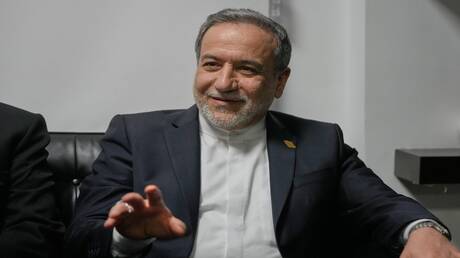
Iran's Foreign Minister, Abbas Araghchi, warned UN Secretary-General Antonio Guterres in a letter that attacks on nuclear facilities, including the Bushehr plant, expose the entire region to radiological danger.
These warnings come at a sensitive time when the region is experiencing escalating tensions, with increased attacks on Iranian nuclear facilities raising concerns about serious environmental and health repercussions.
Details of the Incident
In his letter, Araghchi emphasized that these attacks not only threaten Iran's national security but also have repercussions for neighboring countries and surrounding areas. He pointed out that any incident occurring at nuclear facilities could lead to a radiological disaster affecting the lives of millions.
Araghchi also called on the international community to take a firm stance against these attacks, warning that silence could encourage further escalation. He affirmed that Iran would take all necessary measures to protect its nuclear facilities.
Background & Context
Historically, Iran has faced significant international pressure due to its nuclear program, with some Western countries accusing Tehran of seeking to develop nuclear weapons. These tensions have led to economic sanctions against Iran, severely impacting its economy.
The Bushehr plant, which is one of Iran's prominent nuclear facilities, represents a key component of Iran's nuclear energy program. It was commissioned with Russian assistance and is considered a symbol of Iran's technological advancement in the energy sector.
Impact & Consequences
If attacks on nuclear facilities continue, it could lead to dire consequences at both regional and international levels. Any radiological incident could result in a flow of refugees to neighboring countries, creating new humanitarian crises.
Moreover, escalating tensions could hinder peace and stability efforts in the region and exacerbate existing conflicts. This situation may also negatively affect the Iranian economy, which is already suffering from sanctions.
Regional Significance
Arab countries neighboring Iran, such as Iraq and Kuwait, are among those most at risk in the event of any radiological leak. This could worsen health and environmental crises in these nations.
Additionally, these tensions could impact relations between Iran and Gulf states, further complicating the political landscape in the region. Therefore, Araghchi's calls for international action may open the door for new discussions on regional security.
In conclusion, concerns over attacks on Iranian nuclear facilities remain a sensitive issue that requires urgent international attention. Protecting these facilities is not only Iran's responsibility but a collective obligation that necessitates international cooperation to ensure the safety of the entire region.