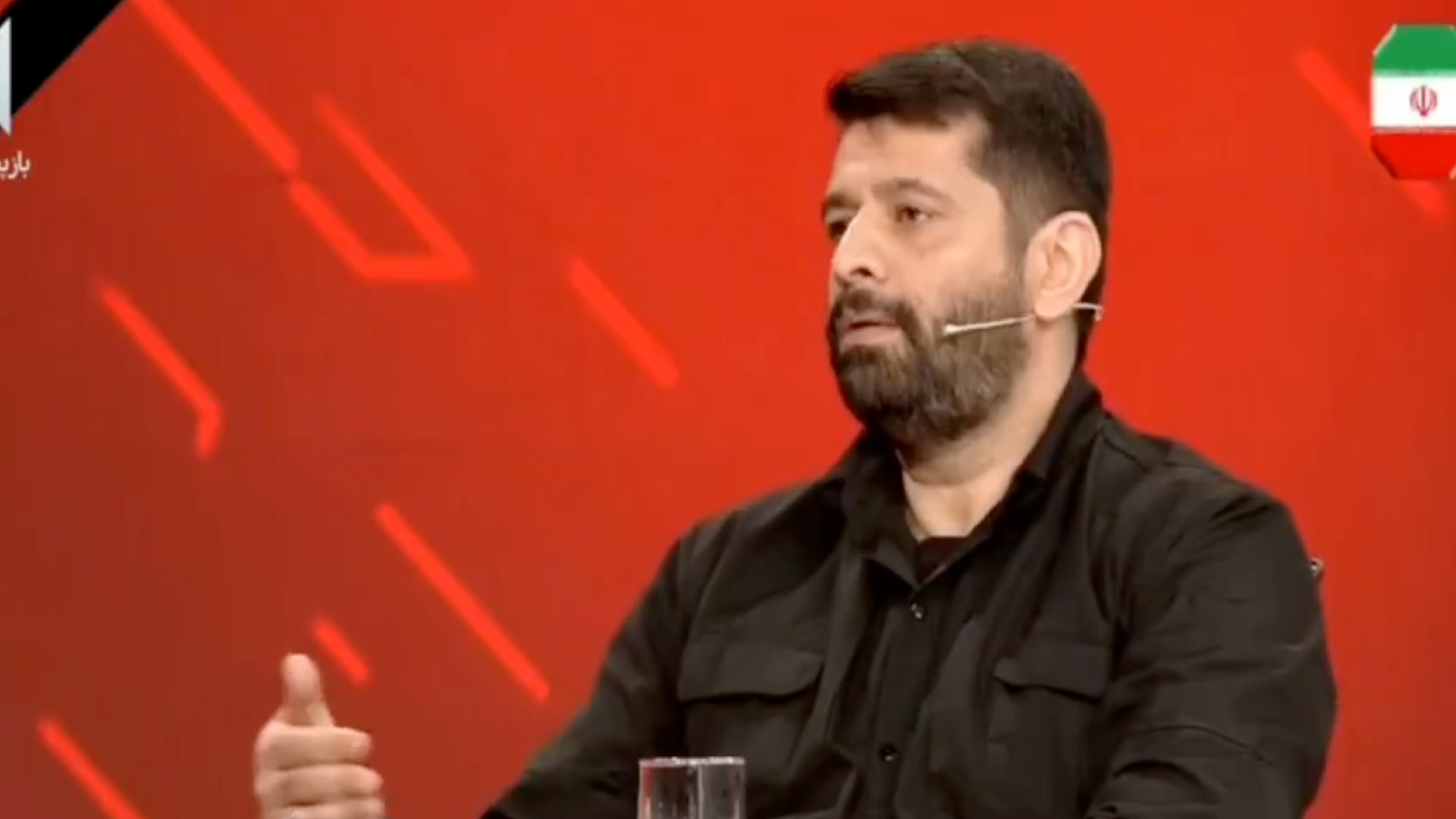
An Iranian security analyst, Morteza Simyari, has warned that Iran is ready to seize the coasts of Bahrain and the United Arab Emirates should the United States make any errors in the region. This warning was made during an interview with Iranian state television, where Simyari emphasized that the Iranian armed forces are "prepared to take action" in the event of any escalation from the American side.
Simyari added that "the coasts of the UAE and Bahrain are on the agenda," reflecting the escalating tensions in the Arabian Gulf. These statements come at a sensitive time, as relations between Iran and Gulf states have recently seen increased strain.
Details of the Incident
The Iranian statements follow days after remarks by UAE Foreign Minister Abdullah bin Zayed, who condemned Iranian attacks on his country, asserting that the UAE "will not be subjected to extortion by terrorists." These comments were in response to remarks made by former French ambassador to the United States Gerard Araud, who criticized the growing cooperation between the UAE and the United States.
Anwar Gargash, an advisor to the UAE president, also indicated that "Iran's blatant aggression against Gulf states carries profound geopolitical implications," making the Iranian threat a focal point of Gulf strategic thinking.
Background & Context
Historically, relations between Iran and Gulf states have been marked by ongoing tensions, especially following the Iranian Revolution in 1979. Iran has always considered itself the defender of Shiites in the region, leading to strains with Sunni countries in the Gulf. In recent years, these tensions have escalated further, particularly after Iranian attacks on oil facilities in Saudi Arabia and ongoing threats against the UAE.
New alliances between Gulf states and the United States, especially following Joe Biden's presidency, have heightened tensions. The UAE and Saudi Arabia, which were initially hesitant to support the war against Iran, are now enhancing their security cooperation with the United States.
Impact & Consequences
The Iranian statements could lead to an escalation of tensions in the region, increasing the likelihood of new military conflicts. Should Iran decide to act on its threats, it could provoke military responses from the United States and its Gulf allies, jeopardizing regional stability.
Moreover, these statements may impact the regional economy, as any military escalation could lead to rising oil prices and increased tensions in global markets. Gulf states, which heavily rely on oil revenues, may find themselves in a difficult position if tensions continue to escalate.
Regional Significance
These statements serve as a wake-up call for Arab states in the Gulf, reflecting the increasing security challenges they face. Arab countries need to enhance their security cooperation and develop effective strategies to counter Iranian threats.
In conclusion, the Iranian statements reflect a state of instability in the region, necessitating that Arab countries take proactive steps to ensure their security and stability in the face of escalating challenges.