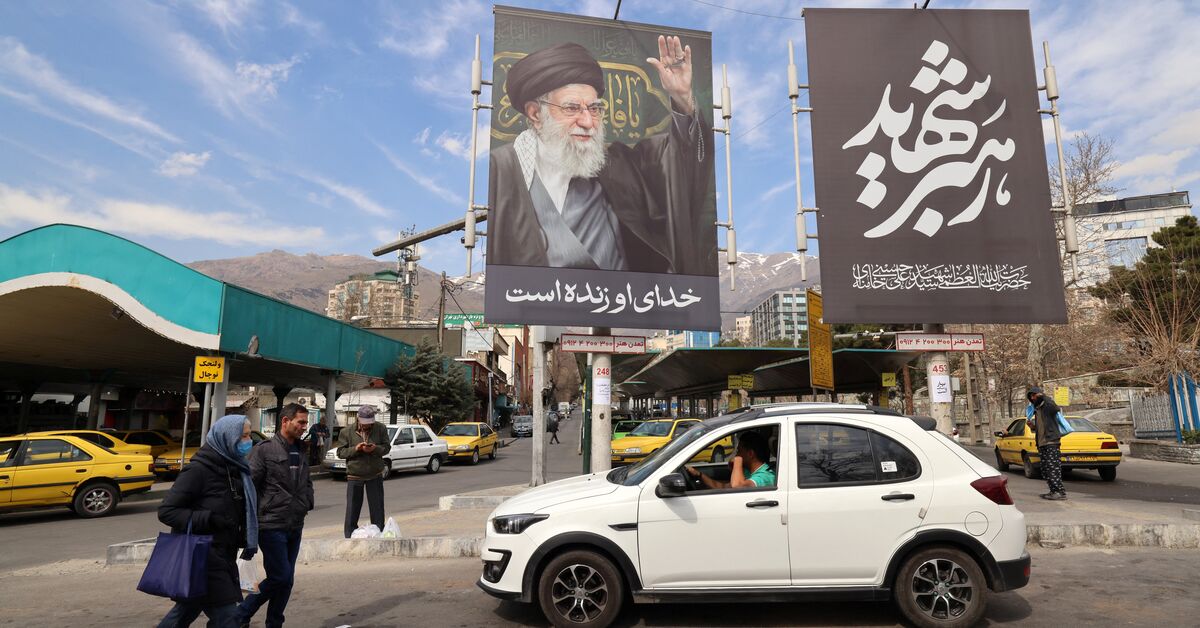
Iran has warned through local media that the country has prepared over one million people to confront any potential ground invasion from the United States. This warning comes at a time when tensions between Tehran and Washington are escalating, with a noticeable increase in the number of US troops in the Middle East.
Concerns are growing over a possible military escalation, as reports indicate that the United States is bolstering its military presence in the region, which Iran perceives as a threat to its national security. Tehran has expressed its readiness to confront any escalation by mobilizing its popular forces.
Details of the Situation
In recent days, the United States has increased its troop numbers in the Middle East, prompting sharp reactions from Iranian officials. The Iranian Defense Minister has confirmed that the country will not hesitate to defend its territory, and any ground invasion would have severe consequences for US forces.
Reports have also indicated that Iran has begun organizing intensive military drills, with volunteers from across the country called to participate in these exercises. This is part of Tehran's preparations to face any potential threats, especially amid rising tensions with the United States.
Background & Context
Historically, relations between Iran and the United States have been fraught with increasing tensions since the Islamic Revolution in 1979. US policies in the region, including economic sanctions and military presence, have exacerbated the situation. In recent years, these tensions have escalated further, particularly following the US withdrawal from the Iranian nuclear deal in 2018.
Iran views the presence of US forces in the region as a direct threat to its security, responding by enhancing its military capabilities and developing its nuclear program. Recent events, such as attacks on Saudi oil facilities, have further heightened these tensions.
Impact & Consequences
Should a US ground invasion occur, it could lead to a significant escalation in military conflict in the region. This is likely to provoke military responses from Iran, potentially dragging the region into a broader conflict. Any military escalation could also have a substantial impact on oil prices and global markets, negatively affecting the global economy.
Moreover, escalating conflict could lead to severe humanitarian consequences, potentially causing mass displacement and increasing casualty figures. This may also complicate the situation in Iraq and Syria, where both US and Iranian forces are present on the ground.
Regional Significance
The neighboring Arab countries to Iran and the United States find themselves in a sensitive position, as they could be directly affected by any military escalation. Countries like Iraq, Syria, and Lebanon may find themselves caught in the middle of the conflict, complicating security and political situations in the region.
Additionally, any escalation could impact peace and stability efforts in the region, potentially disrupting political talks and intensifying sectarian conflicts. It is crucial for Arab nations to remain vigilant and work towards strengthening regional cooperation to address any potential challenges.