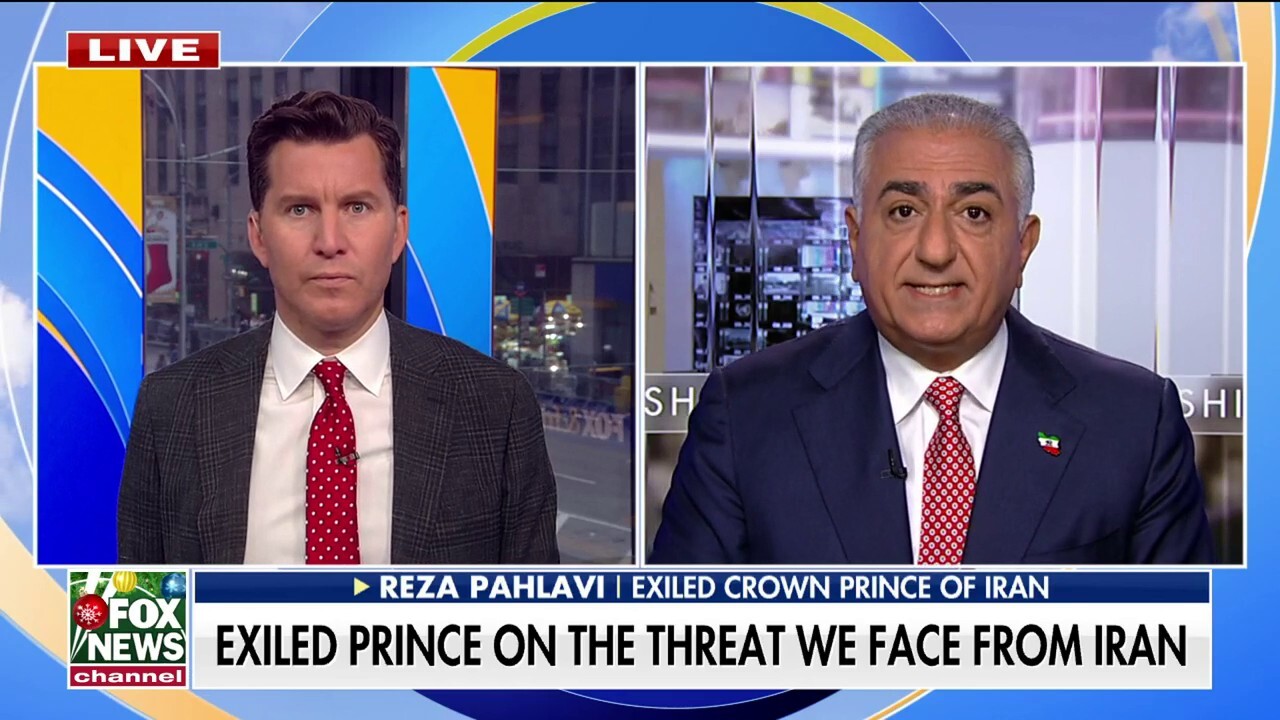
The Iranian assaults on Gulf countries are escalating, raising questions about the stance of Arab nations towards these threats. Amid a silence heavy with disappointment, it appears that Gulf states are facing these challenges alone, as the collective Arab voice diminishes.
This laxity cannot be seen as a transient position; rather, it reflects a state of political erosion. Critical issues affecting Arab security are being managed reactively, showcasing the weakness of collective will in confronting threats.
Details of the Incident
Iranian threats against Gulf countries are on the rise, with Tehran continuing its aggressive policies without any effective reactions from Arab states. This situation highlights the imbalance of Arab will, leaving Gulf nations to confront direct threats while the collective voice retreats behind narrow calculations.
In this context, Saudi Arabia stands out as a contrasting model, having not abandoned its responsibilities towards Arab issues. Riyadh has always been at the forefront of efforts to support Arab security, from backing the Palestinian cause to providing humanitarian and developmental aid to Arab countries in crisis.
Background & Context
Historically, Saudi Arabia has played a pivotal role in enhancing Arab security, recognizing that any disruption in its Arab surroundings will reflect on itself and the entire region. This strategic understanding has driven it to take firm stances against regional threats, reflecting its steadfast commitment to Gulf security.
However, the Arab League, which is supposed to be the umbrella for joint Arab action, appears absent in formulating a unified stance commensurate with the magnitude of current challenges. This absence raises questions about its ability to confront new challenges in a reshaping regional system.
Impact & Consequences
The continuation of this disparity in Arab positions not only threatens the cohesion of the Arab system but also opens the door to further external interventions. When collective will is absent, alternative regional projects advance, enhancing the influence of external powers in the region.
More dangerously, some Arab voices have begun to adopt narratives aligned with the Iranian position, legitimizing external interventions and providing a false Arab cover. This bias represents a dangerous slip in the awareness of priorities, bolstering the Iranian project’s capacity to expand in the region.
Regional Significance
The region cannot regain its balance unless the concept of Arab solidarity is redefined on practical grounds. This requires genuine positions that reflect the understanding that Gulf security is the first line of defense for the stability of the Arab world. Until this is achieved, Gulf states, led by Saudi Arabia, will continue to bear the burden of confrontation at a time when this burden should have been a shared Arab responsibility.
In conclusion, the challenges facing Gulf countries today require an effective collective response and a reevaluation of the concept of Arab solidarity to ensure the stability and security of the region.