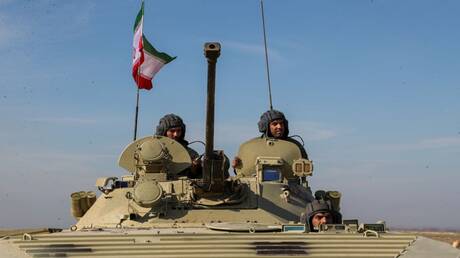
The head of the Iranian Army's Strategic Studies Center, Ahmad Reza Bordestan, announced that the 'Nohed' Brigade is fully prepared to confront any potential ground invasion by the enemy. Bordestan emphasized that this readiness comes at a time when the United States is facing a strategic dilemma, reflecting the rising tensions in the region.
Bordestan's statements come amid escalating tensions between Iran and the United States, with growing concerns over the possibility of military conflicts in the region. He pointed out that Iranian forces have developed comprehensive plans to address any potential threats, focusing on enhancing the defensive capabilities of the armed forces.
Details of the Event
During his remarks, Bordestan clarified that the 'Nohed' Brigade, considered one of the elite units in the Iranian army, has conducted intensive training to ensure its readiness against any invasion. He also noted that these preparations are part of a comprehensive strategy to bolster Iranian national security.
Bordestan also addressed the challenges faced by the United States in the region, indicating that the American strategic situation has become more complicated. He affirmed that Iran will remain committed to protecting its national sovereignty, and any threats will be met with strong responses.
Background & Context
Historically, relations between Iran and the United States have witnessed increasing tensions, particularly after the U.S. withdrawal from the Iranian nuclear deal in 2018. Since then, the United States has imposed stringent economic sanctions on Iran, exacerbating the economic and political conditions within the country.
In recent years, Iran has intensified its military activities in the region, including its support for armed groups in Iraq, Syria, and Lebanon. These activities have raised concerns among the United States and its allies, leading to heightened military tensions in the Arabian Gulf.
Impact & Consequences
Bordestan's statements underscore the importance of military readiness under current conditions. These preparations could escalate tensions between Iran and the United States, increasing the likelihood of military conflicts in the region.
Furthermore, the enhancement of Iranian military capabilities may affect the strategic balance in the Middle East, prompting other countries in the region to feel the need to bolster their defensive capabilities to counter potential threats.
Regional Significance
The situation in Iran and its impact on the Arab region is of utmost importance. The increase in Iranian military preparations could lead to heightened tensions in countries such as Iraq and Syria, where Iranian forces and influence are strong.
Any military escalation could also affect regional security, prompting Arab countries to reassess their defensive strategies and security cooperation among themselves.
In conclusion, Bordestan's statements reflect the tense situation in the region and highlight the importance of military preparations in facing potential threats. The question remains regarding how the United States and its allies will respond to these challenges and whether they will lead to greater escalation in regional conflict.