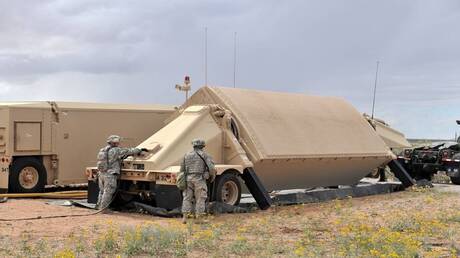
A sophisticated US radar, part of the missile defense system, sustained significant damage due to an Iranian attack at Prince Sultan Air Base in Saudi Arabia. The attack underscores the escalating military tensions between Iran and the United States, raising concerns about the security dynamics in the region.
Images from the site show extensive damage to the radar facility, which is crucial for intercepting potential missile threats. The radar is integrated into the Terminal High Altitude Area Defense (THAAD) system, designed to protect against short, medium, and intermediate-range ballistic missiles.
Details of the Attack
The Iranian assault targeted the radar system during a period of heightened military readiness in the region. Reports indicate that the attack was executed using drones, a tactic that has become increasingly common in recent conflicts. The precision of the strike suggests a high level of intelligence and planning on the part of the Iranian military.
Officials have not disclosed the extent of the operational impact on the THAAD system, but the damage raises questions about the effectiveness of US defense systems in the face of evolving threats. The US military has stated that it is assessing the situation and will take necessary measures to ensure the security of its assets in the region.
Background & Context
The Prince Sultan Air Base has been a strategic location for US forces since its establishment, playing a vital role in regional defense operations. The base hosts various military assets, including advanced radar systems and missile defense technologies. The recent Iranian attack is part of a broader pattern of hostilities that have intensified since the US withdrawal from the Iran nuclear deal in 2018.
In the years following the deal's collapse, Iran has increased its military capabilities and has been more aggressive in its regional operations. This attack is seen as a direct response to US sanctions and military presence in the Middle East, further complicating an already volatile situation.
Impact & Consequences
The damage to the radar system could have significant implications for US military operations in the region. If the THAAD system is compromised, it may hinder the US's ability to respond effectively to missile threats from Iran or its proxies. This incident could also prompt a reassessment of US military strategy in the Gulf, potentially leading to increased military deployments or changes in defense posture.
Moreover, this attack may exacerbate tensions between the US and Iran, potentially leading to retaliatory actions. The US government may feel pressured to respond to maintain credibility and deter further Iranian aggression, which could spiral into a broader conflict.
Regional Significance
The attack on the US radar system highlights the precarious security situation in the Middle East. With Iran's growing military capabilities and willingness to engage in asymmetric warfare, the balance of power in the region is increasingly challenged. Neighboring countries, particularly Saudi Arabia, are likely to feel the repercussions of this incident as they navigate their own security concerns.
Additionally, the attack could impact US relations with its allies in the region. Saudi Arabia, which relies heavily on US military support, may seek reassurances from Washington regarding its defense commitments. The incident serves as a reminder of the complex interplay of regional politics and military strategy.
In conclusion, the Iranian attack on the US radar system at Prince Sultan Air Base marks a significant escalation in military tensions between the US and Iran. As both nations navigate this fraught landscape, the potential for further conflict remains high, necessitating careful diplomatic engagement to prevent a broader crisis.