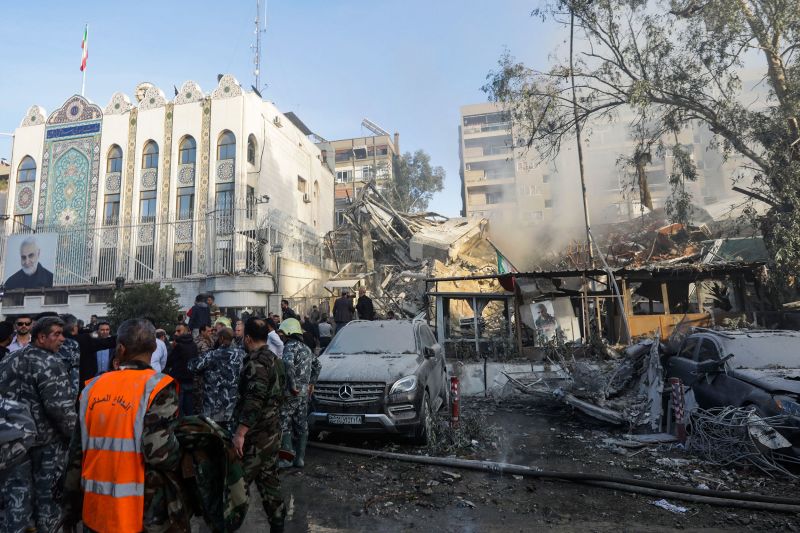
Aluminium Bahrain (Alba) has confirmed that its facilities were subjected to an Iranian attack, highlighting the rising tensions in the region. The attack occurred at a sensitive time, as fears of escalating conflicts in the Arabian Gulf are increasing.
This attack is part of a series of escalating events between Iran and Gulf countries, with Bahrain accusing Iran of supporting armed groups targeting its interests. Alba issued an official statement confirming the occurrence of the attack, although it did not disclose specific details regarding the damages or losses incurred.
Details of the Incident
In its statement, Alba clarified that the attack targeted its facilities in a vital industrial area, leading to the disruption of some operations. While the company did not reveal precise details about the nature of the attack, reports suggest it could have been a result of a missile strike or drone attack.
Alba is considered a leading company in the aluminum industry, playing an important role in the Bahraini economy. The attack on its facilities could negatively impact production and affect the company's reputation in global markets.
Background & Context
Historically, relations between Bahrain and Iran have been marked by ongoing tensions, especially following the Iranian Revolution in 1979. Bahrain, which has a significant Shia minority, accuses Iran of interfering in its internal affairs and supporting protests. In recent years, these tensions have escalated with the increase of Iranian military activities in the region.
The attack on Alba comes at a time when the Middle East is witnessing an escalation of conflicts, with increasing attacks on vital facilities in Gulf countries. These events reflect a state of instability in the region, raising fears of potential military escalation.
Impact & Consequences
The attack on Alba's facilities could have significant implications for regional security. It may lead to heightened tensions between Iran and Gulf countries, increasing the likelihood of military or economic responses. Additionally, this attack could affect foreign investments in Bahrain, as companies may hesitate to invest in an unstable environment.
Moreover, this attack could increase pressure on the Bahraini government to enhance security in the country, potentially requiring the allocation of additional resources to address potential threats. International reactions to this attack may also play a role in shaping regional policy in the future.
Regional Significance
This attack highlights the security challenges faced by Gulf countries and reflects a state of instability that could affect all countries in the region. Amid rising tensions, Arab nations may seek to enhance security cooperation among themselves to confront common threats.
Furthermore, this event may impact relations between Arab countries and Iran, potentially pushing some nations to adopt a more hardline stance towards Tehran. At the same time, others may seek ways to communicate and dialogue to ease tensions.