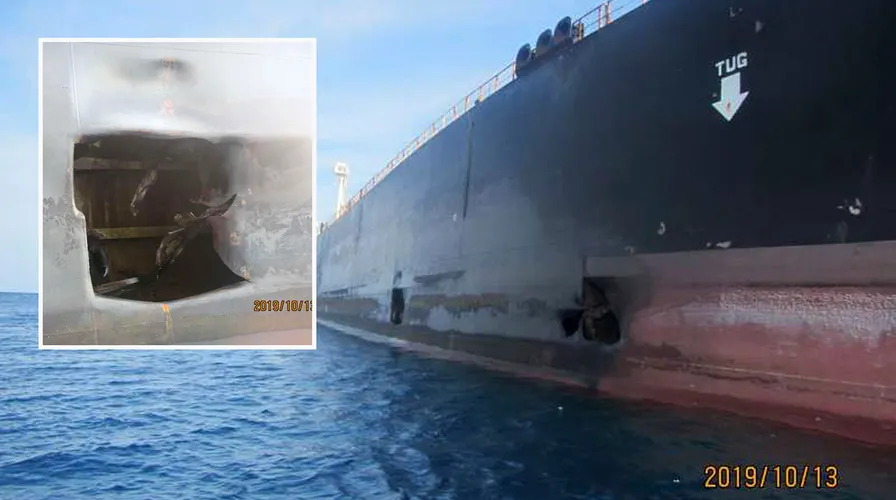
The United Arab Emirates announced on Tuesday that 8 individuals were injured as a result of shrapnel from aerial interceptions of Iranian assaults. This incident occurred during a sensitive time, as a Kuwaiti oil tanker was attacked by a drone off the coast of Dubai, leading to a fire and material damage.
In a related context, Saudi Arabia reported 2 injuries and minor damages to 9 homes in Al-Kharj province, part of the Riyadh region, due to falling shrapnel from the interception of two drones. These developments raise concerns about escalating tensions in the region and their impact on regional security.
Details of the Incident
The Iranian attacks targeting the UAE and Saudi Arabia are part of a continuing escalation between Iran and Gulf states. The attack on the Kuwaiti tanker, which occurred off the coast of Dubai, reflects the increasing threats faced by maritime navigation in the region. The fire that broke out on the tanker caused material damage, but no injuries among its crew were reported.
In Saudi Arabia, reports indicated that the shrapnel from the interception of the two drones resulted in minor injuries, highlighting the severity of the security situation in the area. Local authorities are assessing the damage and providing support to the injured.
Background & Context
Historically, the region has experienced recurring tensions between Iran and Gulf states, with Gulf countries accusing Iran of supporting armed groups and destabilizing the region. This recent escalation comes at a sensitive time, as Western countries seek to revive the nuclear agreement with Iran, complicating the situation further.
The UAE and Saudi Arabia are among the countries that frequently face attacks from groups linked to Iran, necessitating enhanced security measures and regional cooperation to counter these threats. Previous attacks, including those on oil facilities in Saudi Arabia, underscore the importance of protecting critical infrastructure in the region.
Impact & Consequences
The security escalation in the region has significant implications for regional stability. Iranian attacks may lead to increased tensions between Gulf states and Iran, negatively impacting the economy and markets. Additionally, these events could result in heightened military cooperation between Gulf countries and the United States in an effort to bolster regional security.
Moreover, these incidents could affect maritime navigation in the region, raising concerns among global companies that rely on shipping routes through these passages. Under these circumstances, concerned nations must take urgent steps to ensure the safety of navigation and protect their economic interests.
Regional Significance
The recent events reflect the security challenges faced by Arab countries, as the risks from Iranian attacks are on the rise. These tensions could lead to internal divisions within some countries, complicating the political landscape in the region.
It is crucial for Arab nations to adopt effective strategies to address these threats and enhance security cooperation among themselves. Additionally, there should be a comprehensive dialogue with the international community to ensure regional stability and protect shared interests.