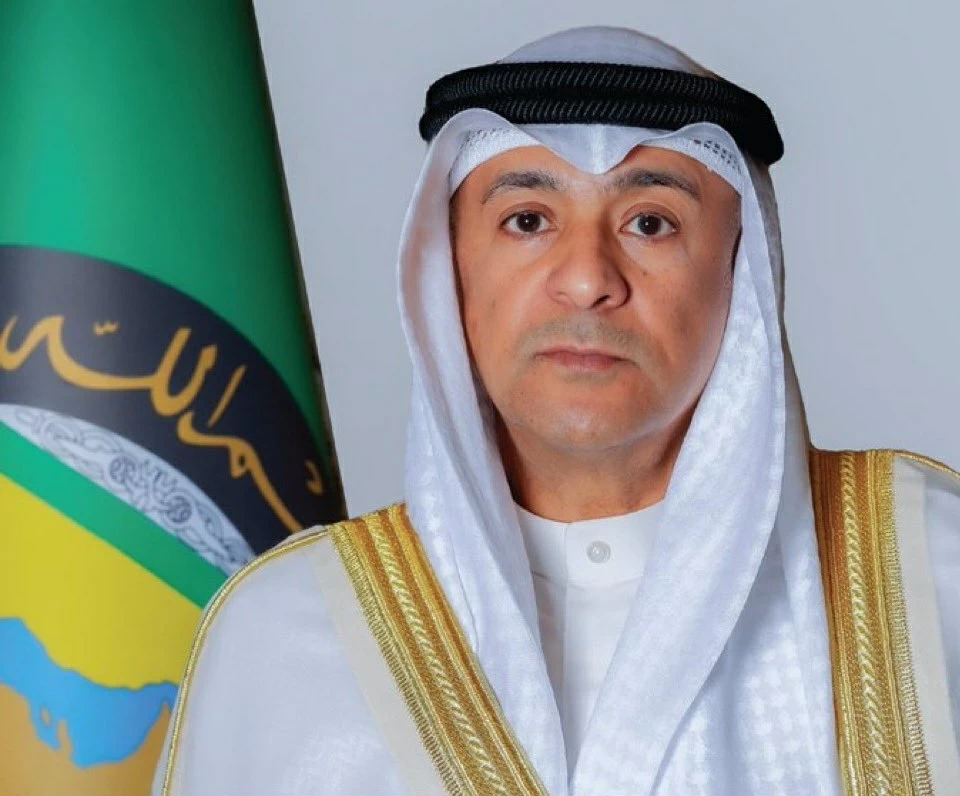
The Secretary-General of the Gulf Cooperation Council, Jassim Mohammed Al-Budaiwi, expressed his strong condemnation and denunciation of the ongoing Iranian aggression against the Kingdom of Bahrain and the State of Kuwait. He emphasized that these cowardly attacks on civilian sites, infrastructure, and diplomatic missions represent an unprecedented and serious escalation, reflecting the Iranian regime's insistence on pursuing unacceptable hostile policies aimed at undermining the security and stability of the GCC states.
Al-Budaiwi stressed that the continuation of these attacks reveals Iran's adherence to its aggressive policies that seek to undermine regional security, in blatant defiance of international law and the United Nations Charter. He affirmed that these practices necessitate a firm international stance to put an end to these aggressions.
Details of the Incident
This morning, Kuwait International Airport witnessed an attack involving drones and ballistic missiles, resulting in one death and several injuries, in addition to significant damage to airport facilities. The Kuwaiti Ministry of Foreign Affairs condemned the attack in a statement, describing it as an "organized Iranian aggressive approach."
At the same time, Bahraini defenses managed to intercept three missiles and several Iranian drones, destroying them, which reflects the readiness of Bahraini forces to face threats. Bahrain also condemned what it termed the "organized Iranian aggressive approach" targeting civilian sites.
Background & Context
These aggressions come amid escalating tensions between Iran and Gulf states, as Iran seeks to expand its influence in the region by supporting armed groups. In recent years, there has been an increase in Iranian attacks on Gulf countries, raising concerns about deteriorating security conditions.
Historically, relations between Iran and Gulf states have been tense, with Gulf countries accusing Iran of interfering in their internal affairs and supporting groups that threaten their stability. These events reflect the rising regional tensions and challenges to regional security.
Impact & Consequences
These aggressions indicate the necessity of enhancing security cooperation among GCC states to confront common threats. They also highlight the importance of a unified international stance against Iranian policies that threaten regional security.
These events are expected to increase tensions in the region, which may affect the economic and political stability of Gulf countries. Additionally, military escalation may prompt international interventions to monitor the situation and ensure regional security.
Regional Significance
These aggressions pose a threat to Arab security in general, as they could lead to escalating conflicts in the region. The continuation of these Iranian policies may drive Arab countries to strengthen their military and security alliances.
In conclusion, the current situation requires a swift response from the international community to put an end to these aggressions and ensure the security and stability of Gulf states. The security of Bahrain and Kuwait is an integral part of regional security, and all countries must stand united in facing these challenges.