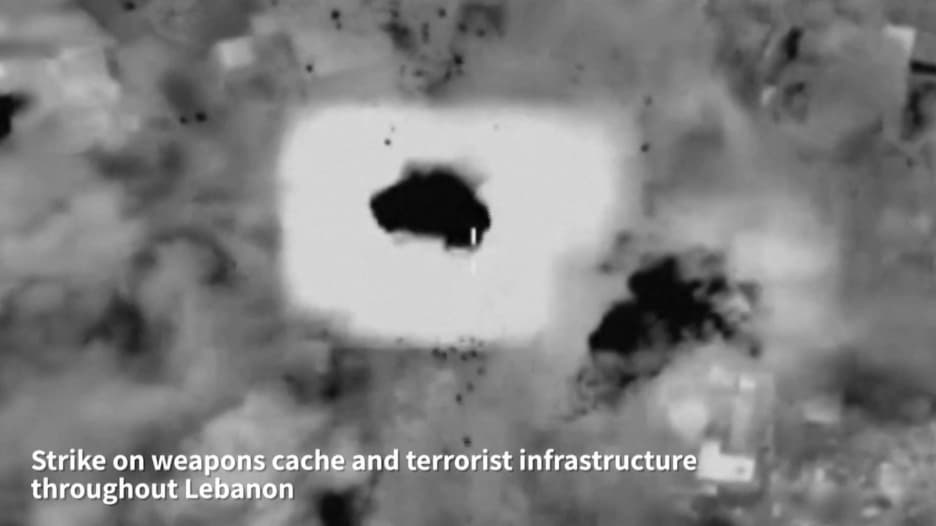
Several Gulf countries experienced Iranian missile and drone attacks today, Thursday. The Saudi Ministry of Defense announced its success in intercepting and destroying 33 drones since dawn, the last of which targeted the Eastern Province.
In Kuwait, the Kuwaiti army reported that its air defenses repelled missile and drone attacks. The official spokesperson for the Kuwaiti National Guard, Brigadier Jadaan Fadhil Jadaan, confirmed that the guard managed to shoot down two drones in areas under its protection, noting that these measures are part of ongoing efforts to enhance security and protect vital sites.
Details of the Incident
In Bahrain, the Ministry of Interior reported that civil defense forces were able to control a fire that broke out at a facility in Muharraq Governorate as a result of the Iranian aggression, indicating that the attack did not result in any injuries. Meanwhile, in the UAE, the Ministry of Defense announced that its air defenses dealt with Iranian missile and drone assaults, reflecting the escalating tensions in the region.
This escalation comes as Kuwait, the UAE, Bahrain, Saudi Arabia, Qatar, and Jordan reiterated their strong condemnation of the Iranian attacks, considering them a blatant violation of national sovereignty and territorial integrity, as well as international law and the United Nations Charter.
Background & Context
Since February 28, Gulf states have been subjected to Iranian missile and drone attacks. Tehran claims these attacks are part of a broader strategy to assert its influence in the region, which has raised alarms among neighboring countries and international observers alike.
The ongoing hostilities have prompted a reassessment of defense strategies among Gulf nations, leading to increased military cooperation and joint exercises aimed at countering potential threats. The situation remains fluid, with diplomatic efforts ongoing to de-escalate tensions.
Impact & Consequences
The recent attacks have significant implications for regional security and stability. The ability of Gulf states to effectively respond to these threats will be crucial in maintaining their sovereignty and deterring further aggression from Iran. Moreover, these incidents could lead to a shift in alliances and partnerships within the region, as countries seek to bolster their defenses.
Additionally, the attacks may impact global oil markets, as any disruption in the Gulf could lead to increased prices and volatility. The international community is closely monitoring the situation, with calls for restraint and dialogue to prevent further escalation.
Regional Significance
The Gulf region is a critical area for global energy supplies, and the ongoing tensions threaten not only regional stability but also international economic interests. The recent Iranian attacks highlight the fragile security environment and the potential for broader conflict if diplomatic solutions are not pursued.
In conclusion, the situation remains tense, with Gulf states on high alert and prepared to respond to any further threats. The need for a coordinated response and international support is more pressing than ever to ensure peace and stability in the region.