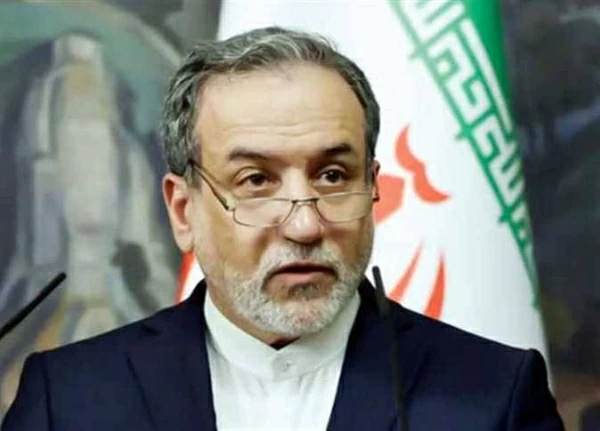
In a series of intensive diplomatic efforts, Iranian Foreign Minister Abbas Araghchi continues his tour across several capitals, preparing for a potential negotiation phase with the United States. The tour includes Muscat, Islamabad, and Moscow, amid intensified efforts to resolve regional disputes.
The Iranian news agency IRNA revealed that Araghchi will return to Islamabad after concluding his visit to Muscat, where he is scheduled to meet with senior Pakistani officials. This visit comes at a sensitive time as Iran seeks to enhance its regional relationships and expand dialogue with major powers.
Details of the Event
The agency clarified that several members of the Iranian delegation returned to Tehran for consultations and to receive guidance regarding the war termination file, planning to rejoin Araghchi in the Pakistani capital on Sunday evening. This step reflects the importance of internal Iranian coordination before entering potential negotiations with the United States.
In a sign of a possible breakthrough, Iranian diplomatic sources indicated that reaching preliminary understandings through intermediaries could pave the way for a direct meeting between the Iranian and American delegations in the coming days, as reported by the Wall Street Journal. This information raises new hopes for potential progress in relations between Tehran and Washington.
Background & Context
These moves come at a time when the regional landscape is witnessing increasing tensions, as Iran seeks to strengthen its position in the region. Pakistan is considered a key player in this dynamic, acting as a mediator between Tehran and Washington, reflecting a shift in regional relations.
Historically, relations between Iran and the United States have been strained, especially after Washington's withdrawal from the nuclear agreement in 2018. However, the current moves indicate a mutual desire to explore dialogue opportunities, despite the significant challenges facing both parties.
Impact & Consequences
If an agreement is reached between Iran and the United States, it could have a significant impact on regional stability. This may lead to a reduction in tensions in the area and contribute to improving relations among other concerned nations, such as the Gulf Cooperation Council countries.
On the other hand, Iran may face internal challenges as a result of any potential agreement, as it could come under pressure from various political forces advocating for a more hardline stance. Therefore, any progress in negotiations will require strong internal support.
Regional Significance
These diplomatic moves are significant for the Arab region, as they may affect the relationships between Arab countries and Iran. If negotiations succeed, it could open the door for broader dialogue between Tehran and Arab states, contributing to regional stability.
In conclusion, the situation in the region remains volatile, but the current diplomatic efforts indicate the possibility of progress in Iranian-American relations, which could positively reflect on the overall regional situation.