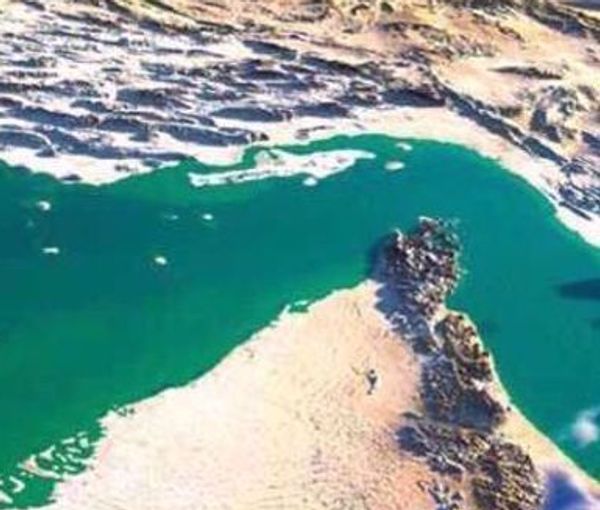
A report by the New York Times, prepared by journalist Nicholas Kulish, indicates that Iranian drones, known for their low cost, remain an important strategic tool for Iran in its confrontation with the United States and Israel. The report emphasizes that halting these attacks is essential for reopening the Strait of Hormuz to international navigation and avoiding an escalation of attacks against Gulf countries.
The report highlights the ongoing threats posed by these drones, which contribute to increasing tensions in the region. It also referenced images released by the U.S. Central Command showing the destruction of facilities used by Iran in this context.
Details of the Situation
Iranian drones are part of Tehran's military strategy, utilized to carry out offensive operations against targets in the Gulf and Israel. These drones are considered cheap and easy to use, making them an attractive option for Tehran in its struggle against adversaries. Recent reports have shown that these drones have executed attacks on maritime and military targets, reflecting Iran's capability to expand its military operations.
At the same time, the United States is seeking to enhance its military presence in the region, having sent additional troops and warships to the Gulf to counter Iranian threats. However, these moves may escalate tensions rather than reduce them, as Iran responds to these actions by increasing its military activity.
Background & Context
Historically, the Strait of Hormuz is a vital strategic point, through which approximately 20% of the world's oil passes. In recent years, the strait has witnessed escalating tensions due to the conflict between Iran and the United States, particularly following Washington's withdrawal from the Iranian nuclear deal in 2018. Since then, Iran has ramped up its military activities in the region, including the use of drones.
Iran aims to use these drones as a means to pressure its adversaries, viewing them as an effective way to achieve its strategic goals without incurring high costs. As tensions rise, concerns grow over the possibility of an open military conflict in the region.
Impact & Consequences
The implications of using Iranian drones extend beyond the region, affecting global oil markets and the stability of the world economy. Any escalation in tensions could lead to rising oil prices, impacting oil-importing countries and increasing economic pressures on them.
Moreover, the continuation of these Iranian activities could provoke military responses from the United States and its allies, increasing the likelihood of armed conflict. This situation could negatively impact regional security and exacerbate humanitarian crises in the area.
Regional Significance
The Gulf Arab states are the most affected by the tensions in the Strait of Hormuz, as their economies heavily rely on oil exports. Any escalation in Iranian attacks could disrupt maritime navigation, affecting the revenues of these countries and increasing security risks.
Furthermore, rising tensions may lead to greater divisions in the region, as some countries may take opposing stances towards Iran, complicating the political landscape in the Middle East.
In conclusion, Iranian drones remain a strategic pressure tool in Tehran's hands, complicating the situation in the Strait of Hormuz. Intensive diplomatic efforts are required to avoid escalating tensions and ensure the stability of international navigation in this vital area.