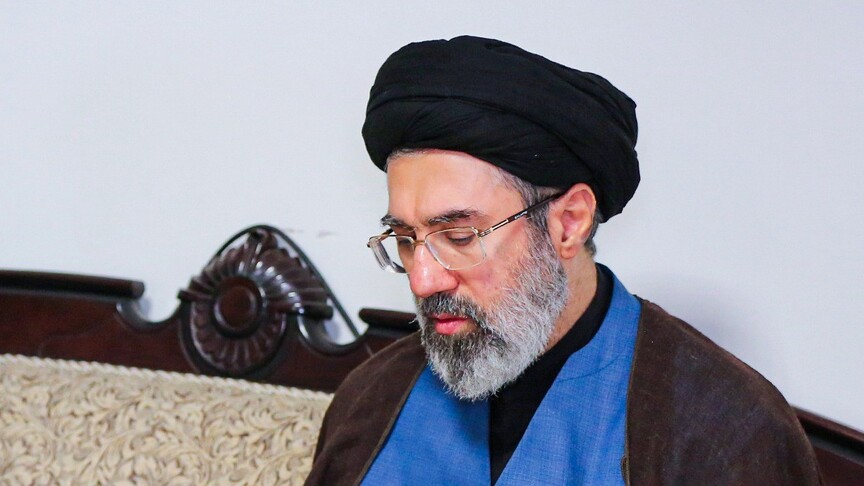
Iran's Supreme Leader Ali Khamenei has granted amnesty to over 2000 prisoners, excluding those convicted of national security crimes and espionage. The move comes ahead of the Iranian New Year, known as Nowruz, and is part of a tradition of issuing pardons during holidays.
The amnesty does not apply to those convicted of crimes against national security, espionage, and other serious offenses. According to the Iranian news agency, Anadolu, the pardon is based on the Supreme Leader's constitutional powers, which allow him to grant amnesty and reduce sentences in certain cases.
Details of the Amnesty and Its Application
The amnesty is based on Article 110 of the Iranian Constitution, which grants the Supreme Leader the power to grant amnesty and reduce sentences in cases deemed suitable. The pardons are typically issued during holidays and special occasions, including the Iranian New Year.
The list of beneficiaries of the amnesty includes prisoners convicted of minor crimes, financial offenses, and some minor breaches of the penal code. However, prisoners convicted of national security crimes, espionage, and other serious offenses are excluded from the amnesty.
Historical Context and Constitutional Provisions
The practice of issuing pardons in Iran dates back decades, with the Supreme Leader traditionally granting amnesty to prisoners during holidays and special occasions. The move is seen as a way to improve the country's human rights record and reduce tensions with the international community.
However, critics argue that the pardons are often used as a tool for political leverage, rather than a genuine effort to improve human rights. The pardons are typically issued in exchange for concessions from prisoners, including promises not to engage in future activism or criticism of the government.
Impact and Consequences
The amnesty has been welcomed by human rights groups, who see it as a positive step towards improving the country's human rights record. However, the exclusion of national security offenders has raised concerns about the government's commitment to human rights.
The pardons are also seen as a way for the government to improve its international image, particularly in the run-up to the Iranian New Year. However, the move has been criticized by some as a publicity stunt, rather than a genuine effort to improve human rights.
Regional Significance
The amnesty has significant implications for the region, particularly in terms of Iran's relations with its neighbors. The move is seen as a way for Iran to improve its image and reduce tensions with the international community.
However, the exclusion of national security offenders has raised concerns about the government's commitment to human rights. The pardons are also seen as a way for the government to maintain its grip on power, rather than a genuine effort to improve human rights.
In conclusion, the amnesty is a significant development in Iran's human rights landscape, but its impact is likely to be limited by the exclusion of national security offenders. The move is seen as a way for the government to improve its international image, but its commitment to human rights remains uncertain.