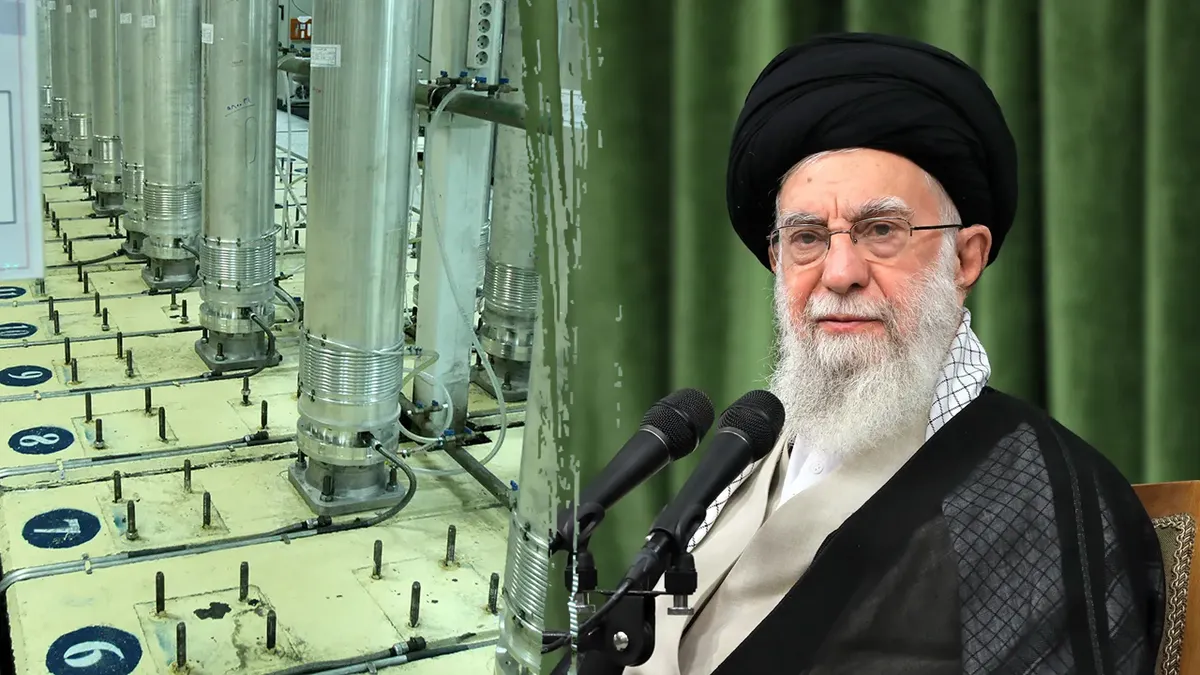
The Iranian Parliament is preparing to discuss a legislative proposal that includes withdrawal from the Nuclear Non-Proliferation Treaty, in a move that could escalate tensions in the region. This decision comes at a sensitive time, as international pressure on Tehran regarding its nuclear program is intensifying.
The Nuclear Non-Proliferation Treaty is considered one of the cornerstones of international efforts to prevent the spread of nuclear weapons and promote cooperation in the peaceful use of nuclear energy. However, Iran, which signed the treaty in 1968, feels that its rights to develop a peaceful nuclear program have been violated.
Details of the Proposal
The proposal to be discussed in the Iranian Parliament comes amid rising tensions between Iran and Western countries, especially following the United States' withdrawal from the nuclear agreement in 2018. This withdrawal led to the re-imposition of harsh economic sanctions on Iran, significantly impacting its economy.
In recent years, Iran has ramped up its nuclear activities, including uranium enrichment, which has raised concerns in the international community. If this proposal is ratified, Iran would be able to develop its nuclear program without restrictions, potentially leading to an arms race in the region.
Background & Context
The Nuclear Non-Proliferation Treaty was established as part of global efforts to prevent the spread of nuclear weapons, with 191 countries having joined it. However, relations between Iran and Western countries have deteriorated significantly since 2000, particularly after the discovery of its secret nuclear program.
In 2015, a nuclear agreement was reached between Iran and the P5+1 group (the United States, Russia, China, France, the United Kingdom, and Germany), which aimed to reduce Iranian nuclear activities in exchange for easing sanctions. However, following the U.S. withdrawal, Iran began to scale back its commitments under the agreement, complicating the situation further.
Impact & Consequences
If the Iranian Parliament decides to proceed with this proposal, it could have dire consequences for regional and international security. Western countries may respond by imposing new sanctions, further increasing Iran's economic isolation.
Moreover, this move could encourage other countries in the region to enhance their nuclear programs, raising the risk of new conflicts. Additionally, withdrawal from the treaty could undermine international disarmament efforts.
Regional Significance
Neighboring Arab countries, such as Saudi Arabia and the United Arab Emirates, are among the most concerned about any developments in Iran's nuclear program. Withdrawal from the treaty could heighten tensions between Iran and these countries, negatively impacting security and stability in the region.
This step may also prompt some Arab nations to reevaluate their defense strategies, including the potential development of their own nuclear programs, which could lead to an arms race in a region already suffering from multiple tensions and conflicts.
In conclusion, the Iranian Parliament's proposal to withdraw from the Nuclear Non-Proliferation Treaty represents a bold step that could reshape the geopolitical landscape in the region. The international community must closely monitor developments, as the potential consequences could be far-reaching.