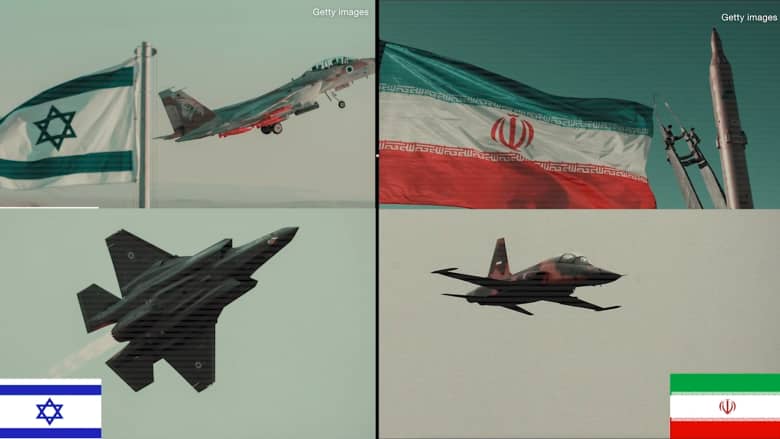
The Iranian Revolutionary Guard has recently announced the execution of wave 83 of its operations, targeting its naval and aerial forces against Israeli and US sites in the northern Gulf. This announcement comes at a time when the region is witnessing a notable escalation in tensions between Iran, the United States, and their allies.
The attacks carried out by Iranian forces represent a new step in a series of military operations aimed at enhancing Iran's influence in the region and asserting its ability to respond to any potential threats. These attacks were executed at a sensitive time, as fears of escalating conflict in the Middle East are increasing.
Details of the Event
According to a statement issued by the Revolutionary Guard, the attacks targeted specific sites in the northern Gulf, utilizing a variety of naval and aerial weapons. These operations are part of what is termed the operations of the "Promised Victory," which represent Iran's military strategy in confronting external threats.
No precise details have been disclosed regarding the targets that were struck or the damage inflicted, but the statement indicates that these operations are part of the response to US and Israeli policies in the region. The Revolutionary Guard considers these attacks to reflect Iran's military strength and its ability to protect its interests in the Gulf.
Background & Context
Historically, Iranian-Israeli relations have seen a continuous escalation, with Iran viewing Israel as a primary adversary in its foreign policy. Since the Islamic Revolution in 1979, Iran has developed military strategies to confront what it perceives as threats from Israel and the United States.
In recent years, Iran has increased its military activities in the region, including its support for armed groups in Iraq, Syria, and Lebanon. These activities have raised concerns among Western and Arab nations, leading to the imposition of economic and political sanctions on Iran.
Impact & Consequences
These attacks come at a sensitive time and could lead to greater escalation in the conflict between Iran and the United States and its allies. The United States is likely to respond to these attacks by increasing its military presence in the region, which could lead to heightened military confrontations.
Additionally, these operations may impact global oil markets, as any escalation in tensions in the Gulf could lead to rising oil prices. This situation could affect the global economy and increase pressures on oil-importing countries.
Regional Significance
These developments directly affect security and stability in the Arab region. Many Arab countries are concerned about the rising Iranian influence in the area, especially given Iran's support for armed groups in Iraq, Syria, and Lebanon.
Moreover, these attacks could increase tensions between Arab countries and Iran, complicating the political landscape in the region. It is crucial for Arab nations to remain vigilant regarding these developments and seek ways to cooperate in addressing common security challenges.
In conclusion, this attack represents a new turning point in the regional conflict, as tensions rise between major powers in the area. The international community must address these developments cautiously and strive to find peaceful solutions to avoid further escalation.