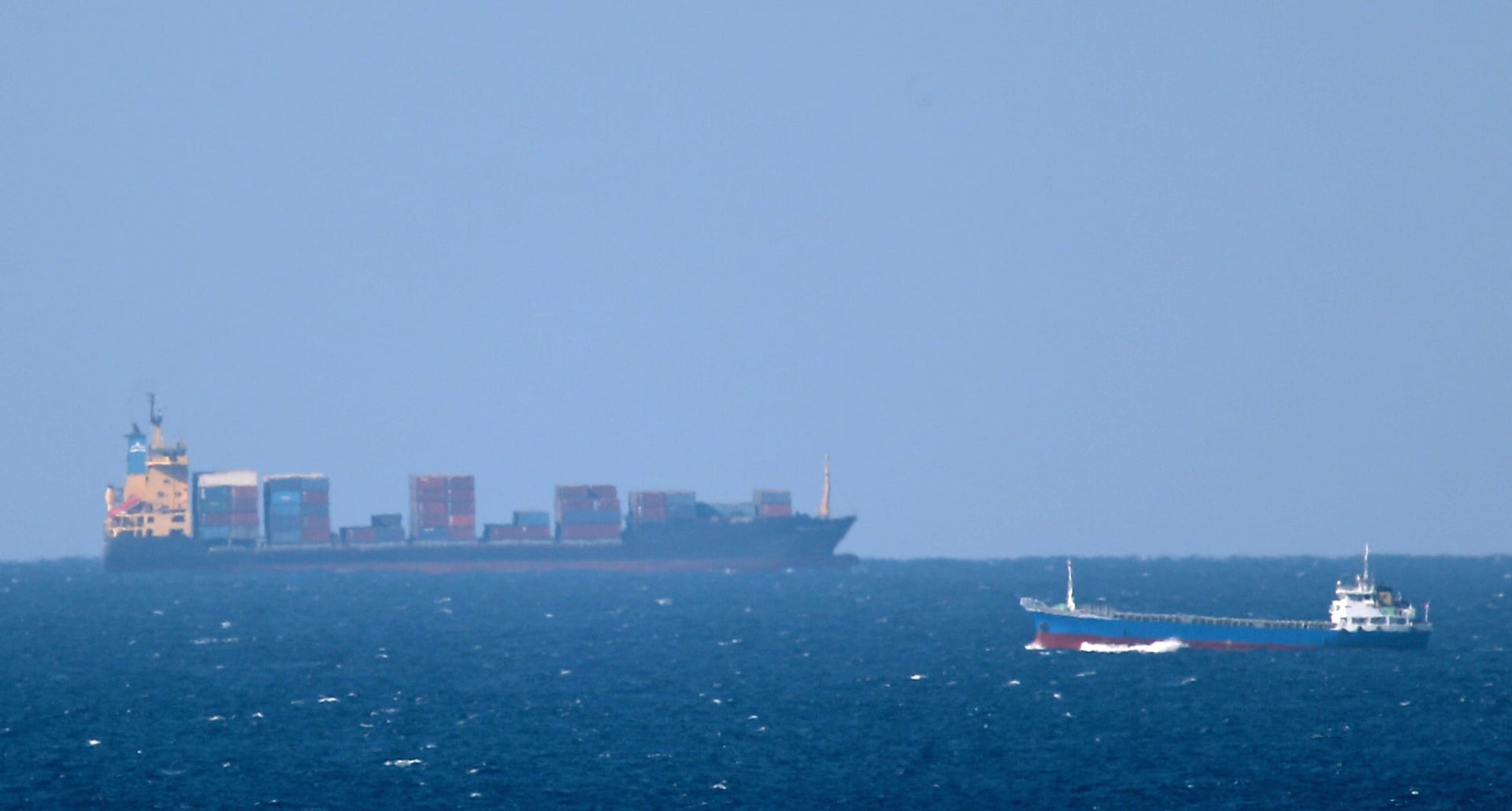
The Iranian Revolutionary Guard Corps (IRGC) stated in a release that it will entirely close the Strait of Hormuz if the United States follows through on its threats and targets Iranian nuclear facilities. These warnings come at a time of heightened tensions between Tehran and Washington, particularly with increasing calls for the US to take decisive action against Iran’s nuclear program, which Washington considers a threat to regional and international security.
The IRGC's statements indicated that if these facilities were attacked, the strait would not be reopened until the facilities are rebuilt, reflecting Tehran's serious intent to defend its vital infrastructure. The Strait of Hormuz is a strategic point, through which about 20% of the world’s oil passes, enhancing the significance of this threat.
Historically, the Strait of Hormuz has been a center for recurring geopolitical conflicts, especially between major powers and Iran, which is surrounded by conflicts with its neighbors and Western countries. In recent years, we have witnessed repeated threats from both sides, with the US strengthening its military presence in the Gulf region, raising Tehran's concerns that such measures may pave the way for future attacks on its facilities.
Moreover, the IRGC’s statement also mentioned that energy and infrastructure in Israel would be significant targets if any escalation occurs. The effects of this conflict will not be confined to Iran and the US, but will also include neighboring countries hosting US military bases, exacerbating the security situation in the region.
It is essential to consider the impact of this escalation on global oil markets, as any threat to the security of transit in the Strait of Hormuz could lead to a significant rise in oil prices, affecting oil-importing countries, including Arab nations. The continuing tension between the US and Iran could also increase divisions within the region, especially as some Arab countries form alliances with Washington to counter Iranian influence.
In the past, the US has faced significant challenges in escalating matters with Iran, particularly given the economic strain caused by international sanctions. However, the Iranian Revolutionary Guard shows its determination not to relent on the issue of its national security, which could negatively impact regional and global stability if steps to de-escalate tensions are not taken.
Ultimately, the IRGC's decision to close the Strait of Hormuz highlights a reality that Tehran could rely on as a means to protect its security from any aggression. This underscores the need for dialogue and negotiation as a means to avoid escalation that could lead to armed conflict.
Regardless of the depth of political disagreements, the failure of nations to find diplomatic ways to resolve these crises could lead to adverse consequences at both regional and international levels.