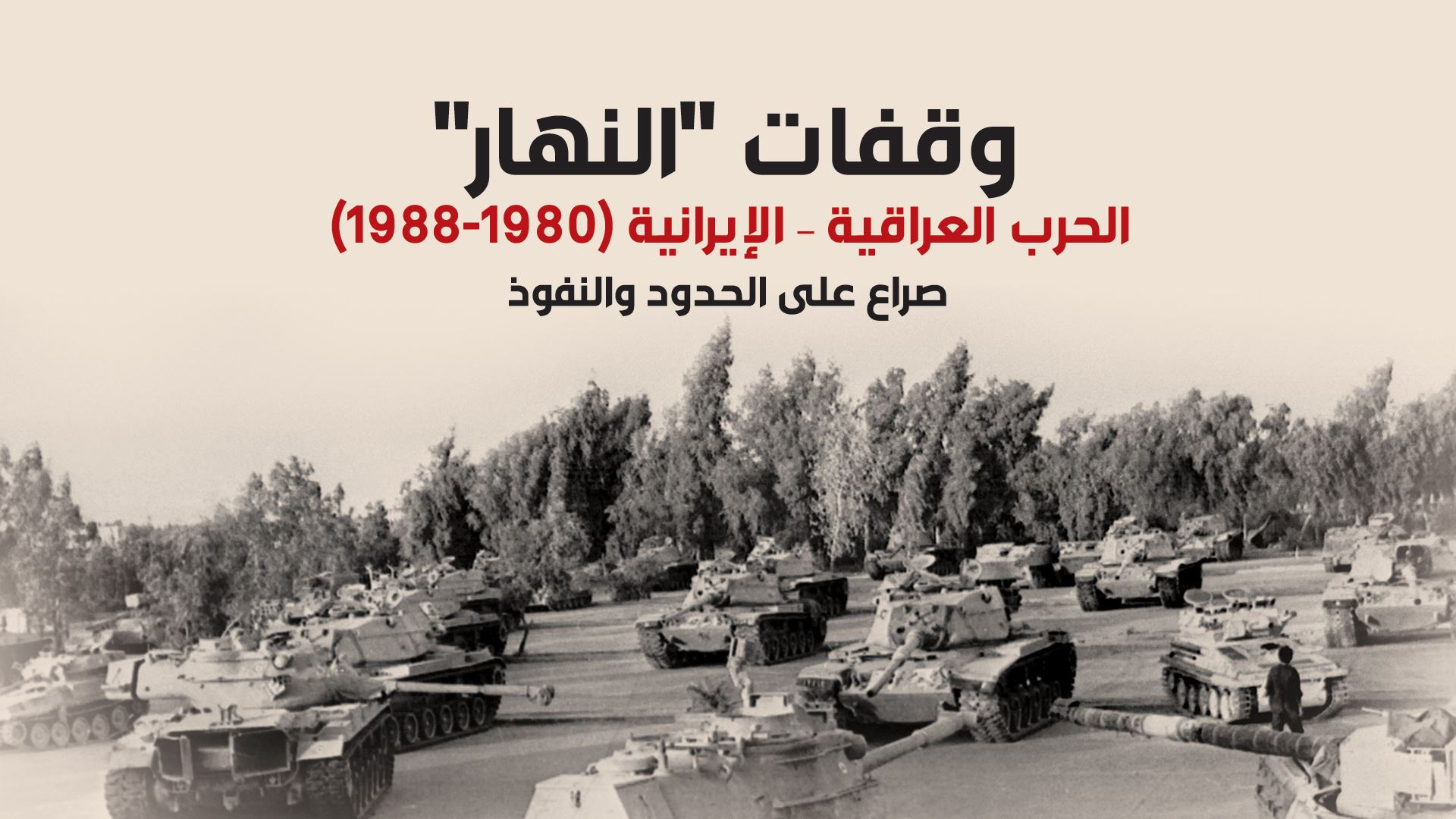
The ongoing conflict in Iran has inflicted severe damage on the energy sector in the Gulf region, with oil fields, refineries, and gas stations significantly impacted within days of the war's outbreak. As the conflict escalates, forecasts indicate that restoring these facilities to their full production capacity may take years, raising concerns about the stability of the energy market in the region.
The Gulf region is one of the most important areas for oil and gas production globally, playing a vital role in meeting global energy needs. However, the escalating conflict in Iran has disrupted operations at many critical facilities, threatening to reduce supplies and increase price volatility in global markets.
Details of the Incident
Reports indicate that the war has led to the closure of several major oil fields, directly affecting production levels. The refineries that depend on these fields have also been damaged, complicating the situation further. Under these circumstances, companies operating in the energy sector face significant challenges in rehabilitating the affected facilities, which require massive investments and considerable time.
There are growing fears that the continuation of the conflict could exacerbate the situation, as more facilities may be subjected to attacks or destruction. This scenario reflects the fragility of the energy infrastructure in the region and demonstrates how regional conflicts can impact global markets.
Background & Context
Historically, the Gulf region has witnessed numerous conflicts that have affected the energy industry, but the current dispute in Iran comes at a sensitive time when global markets are experiencing significant fluctuations. Since the beginning of the year, oil prices have been swinging due to a combination of factors, including rising demand from major countries and geopolitical tensions.
Iran is one of the largest oil producers in the world, and any disruption in its production can significantly impact global prices. In recent years, there have been international efforts to mitigate the impact of conflicts on energy markets, but these efforts face substantial challenges under the current circumstances.
Impact & Consequences
The ramifications of the Iranian war extend beyond the region, potentially leading to a rise in global energy prices, which would affect economies reliant on oil. Additionally, rising prices could exacerbate economic crises in developing countries that heavily depend on energy imports.
Moreover, these conditions may increase tensions among oil-producing countries, as each nation seeks to maintain its market share. This situation could create an unstable environment that affects investments in the energy sector, hindering sustainable growth in the future.
Regional Significance
The Arab countries neighboring Iran are among the most affected by the ongoing events, as disturbances in Iran could have direct repercussions on energy markets in these nations. Furthermore, rising oil prices may impact the economies of Arab countries, increasing the economic challenges they face.
In light of these circumstances, Arab nations must enhance their cooperation in the energy sector and develop strategies to adapt to rapid market changes. There should also be joint efforts to strengthen energy security in the region to ensure stable supplies in the future.
In conclusion, the Iranian war emerges as one of the significant challenges facing the energy industry in the Gulf, requiring a swift and effective response from the concerned countries to ensure market stability and protect economic interests.