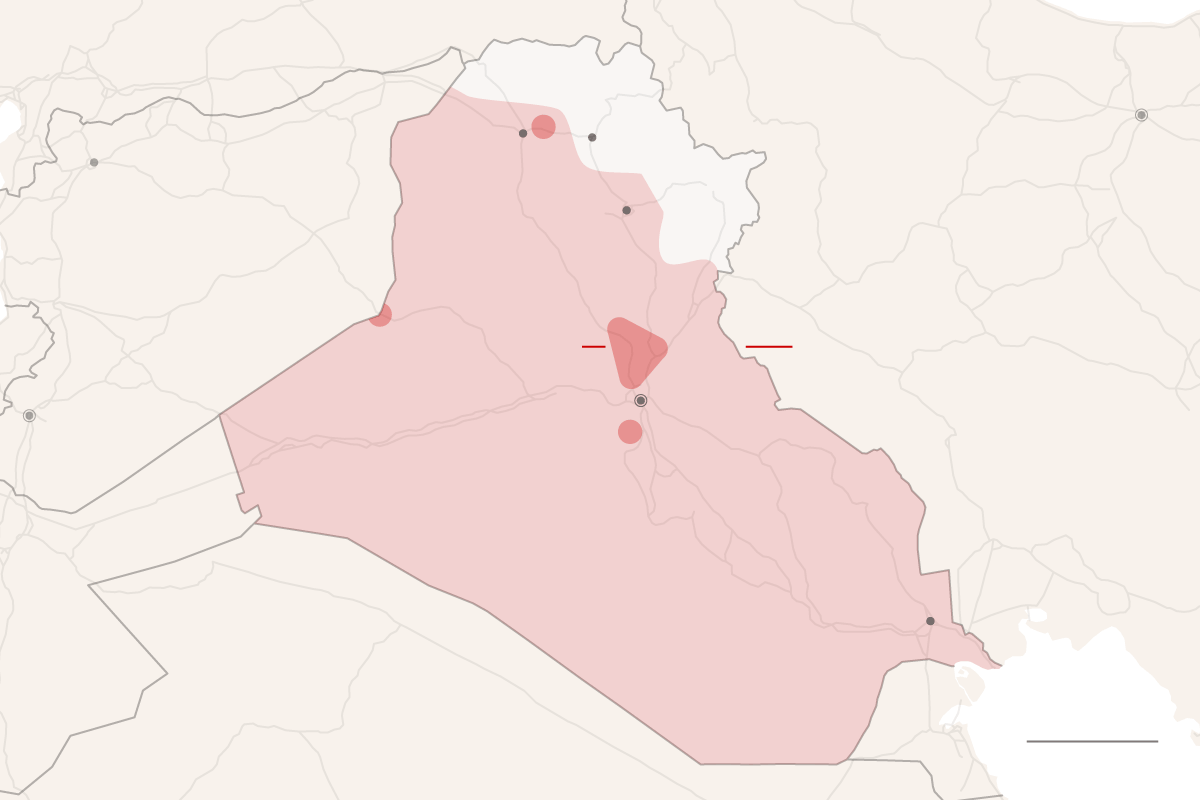
The eyes of the world are on the Middle East amid the ongoing Iranian war, which is anticipated to lead to radical changes in the regional system. Reports indicate that American influence in the region may decline, while Turkey could emerge as a key player in reshaping regional relationships.
These developments come at a sensitive time, as many countries in the region are grappling with political and economic crises. It is expected that these changes will affect the balance of power in the Middle East, warranting significant attention from decision-makers in Arab countries.
Details of the Event
The Iranian war, which began several months ago, could have far-reaching implications for the regional system. With increasing pressure on the United States to withdraw from certain areas of the Middle East, Turkey appears to be preparing to enhance its role as a regional power. Ankara has shown greater willingness to intervene in regional affairs, reflecting its ambitions to bolster its influence.
In this context, Turkish support for various factions in the region, including those with Islamic orientations, is part of its strategy to strengthen its presence. Additionally, Turkish relations with Iran may witness a shift, as Turkey could seek to balance its own interests with those of Iran.
Background & Context
Historically, the United States has been considered the dominant power in the Middle East, playing a pivotal role in many conflicts. However, geopolitical changes, including the American withdrawal from Iraq and Afghanistan, have led to a reevaluation of its role in the region. Under these circumstances, Turkey emerges as a potential alternative, seeking to enhance its influence through strategic relationships with countries like Qatar and Saudi Arabia.
Moreover, the increasing tensions between Iran and the United States may contribute to strengthening Turkey's role, as Ankara could seek to exploit this gap to promote its interests. Recent years have witnessed a rise in tensions between the two countries, complicating the regional landscape.
Impact & Consequences
The potential shift in the regional system could lead to significant changes in relationships among countries. A decline in American influence may increase tensions among Arab states, particularly those reliant on American support. Furthermore, the strengthening of Turkey's role may raise concerns among some countries, potentially leading to new alliances or a reshaping of existing ones.
Additionally, these changes could affect regional stability, as conflicts in areas such as Syria and Iraq may escalate. Such conflicts could exacerbate humanitarian crises, necessitating urgent international responses.
Regional Significance
For Arab countries, these developments present both challenges and opportunities. On one hand, increased Turkish influence could enhance economic and political relations with certain states; on the other hand, it may raise concerns about escalating tensions.
Ultimately, the question remains open regarding how Arab countries will respond to these changes. Will they seek to enhance cooperation among themselves to face new challenges, or will they move towards further division? The near future will reveal the answers.