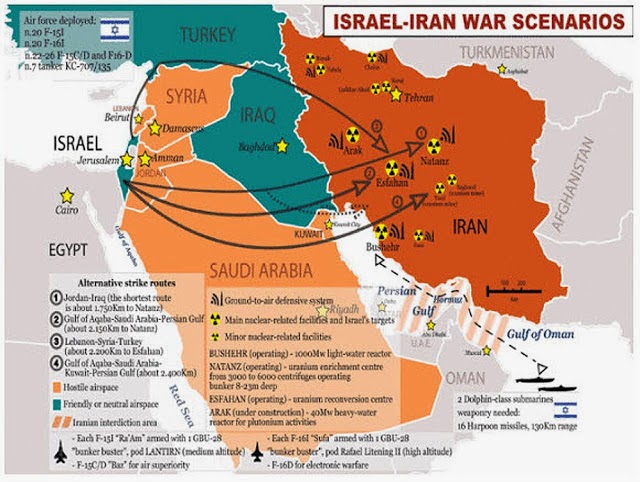
The ongoing war in Iran and the repercussions of the closure of the Strait of Hormuz have caused a geopolitical and economic earthquake, affecting not only the Gulf region but also reshaping the map of international alliances from Berlin to Manila. These events have put the credibility of the U.S. "security umbrella" at risk, amid the growing influence of China, which has exploited the energy crisis to emerge as a strategic alternative.
Three major American newspapers, namely the Christian Science Monitor, Foreign Policy, and the New York Times, have revealed intertwined dimensions of the Iranian war that extend beyond direct battlefields to the heart of economic and political balances in Europe and Asia.
Details of the Event
In an article published by the Christian Science Monitor, columnist Ned Temko pointed out that traditional allies of the United States have become increasingly concerned about the sustainability of their partnership with it following the repercussions of the war against Iran. This anxiety is growing amid a rising sentiment that the administration of former President Donald Trump treated its allies as secondary parties.
The sudden decision by Washington to withdraw 5,000 American troops from Germany shocked Europe. It was not merely a reduction of military presence but came at a time some viewed as punitive against German Chancellor Friedrich Merz, who publicly criticized the war. This unexpected American behavior left NATO allies in a state of shock as leaders tried to understand the significance of this move.
Background & Context
European allies, particularly Germany, France, and Britain, had already begun increasing defense spending in preparation for taking greater responsibility in protecting the continent from Russian threats. However, they still rely on the American umbrella to ensure effective military deterrence.
American pressures on Southeast Asian countries have not been limited to military aspects; they also included the use of tariffs and demands for increased defense spending, sending a clear message that the terms of engagement with Washington have fundamentally changed. In Asia, the situation mirrored that of Europe, where countries like Japan, South Korea, and the Philippines had to bolster their defense capabilities, yet they still need American support in facing China and North Korea.
Impact & Consequences
The International Monetary Fund warned that Asia is the region most vulnerable to long-term shocks due to its heavy reliance on fuel from the Middle East. The crisis stemming from the Iranian war has pushed countries in the region to reassess their balances between Washington and Beijing, not out of ideological shift towards China, but as a result of the need to protect their economic interests.
The declaration by Philippine President Ferdinand Marcos Jr. of a state of emergency in the energy sector reflected the magnitude of the crisis facing countries in the region, as fuel reserves have dropped to critical levels. Southeast Asia is one of the clearest global theaters of what is known as "restricted sovereignty."
Regional Significance
The decline in trust in the United States as a key ally may impact the stability of the Arab region, where some countries might seek to strengthen their ties with China as a strategic alternative. Under these circumstances, it is crucial for Arab nations to remain informed about geopolitical developments and seek new partnerships that ensure their economic and security interests.
In conclusion, the coverage by the three newspapers reflects a rapidly changing world under the weight of war, the energy crisis, and competition among major powers. As allies' trust in the United States' ability to manage crises wanes, China appears poised to exploit every gap to enhance its influence, not through military might, but through energy, technology, and economic diplomacy.