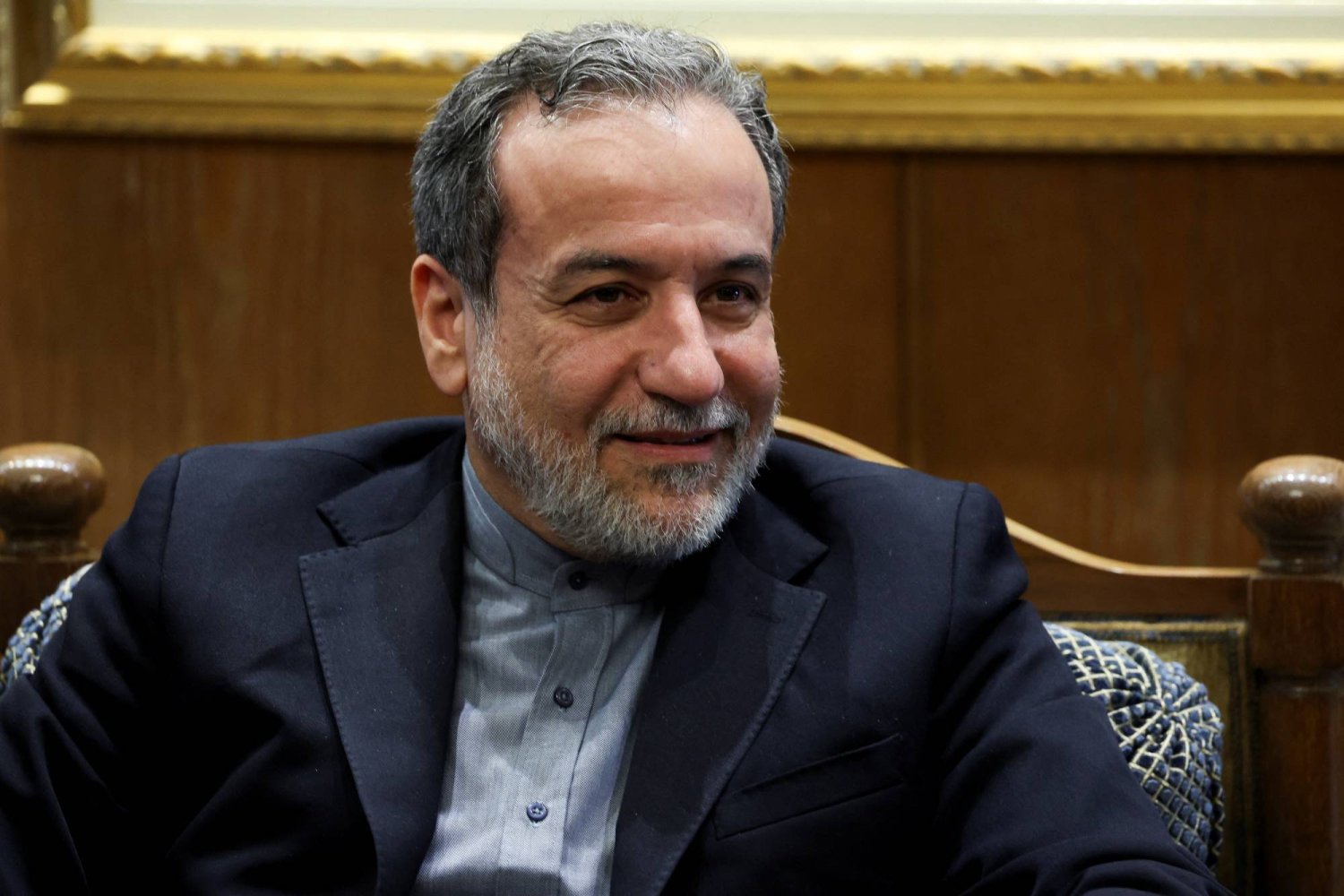
Iran's Foreign Minister, Abbas Araghchi, stated in a special interview with Al Jazeera that he receives messages directly from U.S. envoy Robert Wittekov, but clarified that this does not imply ongoing negotiations between the two sides.
These statements come at a sensitive time in Iranian-American relations, which have been tense since the United States withdrew from the Iranian nuclear deal in 2018. These developments have significantly impacted the political and economic situation in the region.
Details of the Event
In his remarks, Araghchi indicated that communication with Wittekov continues as it has in the past, demonstrating Iran's desire to maintain channels of communication despite political tensions. He explained that these messages do not necessarily reflect the existence of formal negotiations but are part of regular diplomatic communication.
This statement comes at a time when international pressure on Iran is increasing, especially following the escalation of Iranian nuclear activities, which have raised concerns among many Western countries. There have been previous attempts to revive negotiations regarding the Iranian nuclear program, but those efforts have not yielded tangible results so far.
Background & Context
Historically, Iranian-American relations have experienced significant fluctuations, starting from the Islamic Revolution in 1979, which led to the severance of diplomatic relations between the two countries. Since then, the United States has pursued a policy of pressure and sanctions against Iran, while Iran seeks to enhance its regional influence.
In recent years, there has been increasing international interest in reviving the nuclear deal reached in 2015, which aimed to limit Iranian nuclear activities in exchange for easing sanctions. However, the U.S. withdrawal from the agreement in 2018 brought matters back to square one, complicating the situation further.
Impact & Consequences
Araghchi's statements underscore the importance of diplomatic communication in alleviating tensions, despite the absence of formal negotiations. This communication may contribute to creating a more stable environment in the region, but at the same time, it may raise questions about Iran's true intentions.
If international pressures on Iran continue, it may be compelled to take new steps towards negotiations, potentially leading to changes in its nuclear policy. Should these efforts fail, it could result in escalating tensions, affecting regional and international security.
Regional Significance
Iranian-American relations are pivotal in shaping the security and stability of the Middle East. Any developments in these relations could directly impact neighboring Arab countries, especially those experiencing internal conflicts or tensions with Iran.
Many Arab countries are striving to achieve a balance in their relations with both Iran and the United States, making it essential to closely monitor these developments. Any progress in negotiations or a decrease in tensions could reflect on the political and economic situations in the region.
In conclusion, Iranian-American relations remain shrouded in ambiguity, as political and economic interests intertwine. With ongoing communication between the two sides, hope lingers for the possibility of progress towards greater stability in the region.