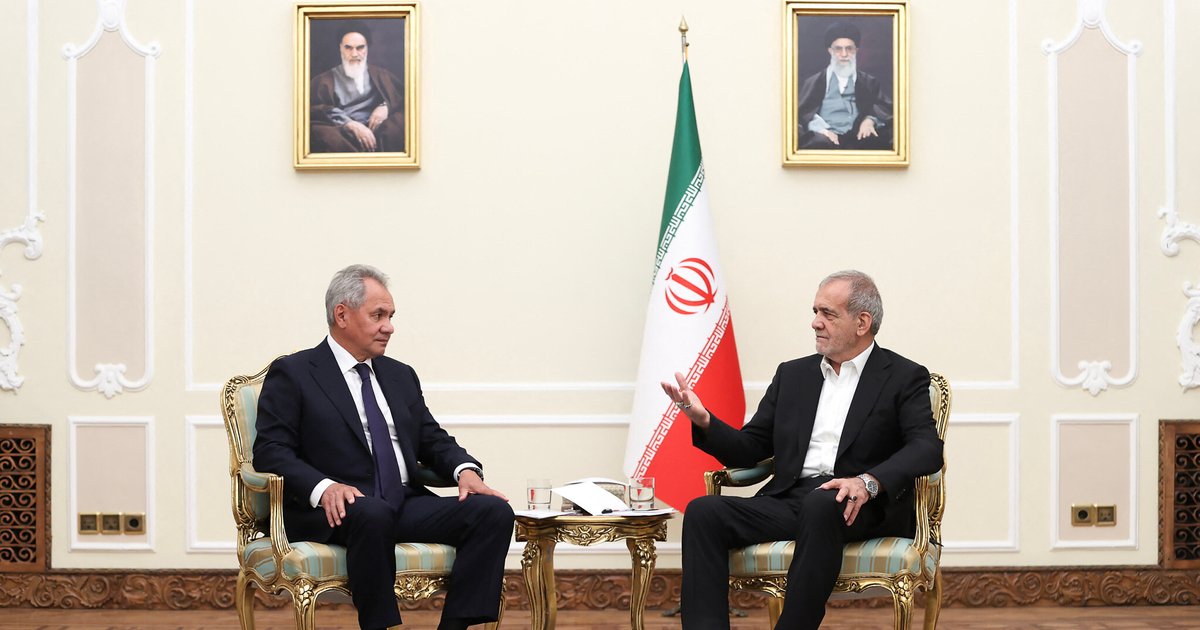
The visit of Iranian Foreign Minister Abbas Araghchi to Russia occurs at a sensitive time, raising questions about Moscow's stance in the ongoing conflict between Iran and the United States and Israel. This visit reflects Iran's desire to break the diplomatic isolation it faces and to strengthen ties with Russia, a major power and a permanent member of the UN Security Council.
Araghchi's visit should not come as a surprise, as Russia and Iran share close relations, as outlined in the 2025 Treaty. However, Russia's direct influence on the outcome of the conflict remains limited, although it plays a significant role in the crisis equation in the Middle East.
Details of the Visit
Russia clearly expresses its position on the conflict, viewing the United States and Israel as aggressors against Iran, with repercussions that extend beyond Iran and the Middle East. The conflict carries significant risks, including the potential for a humanitarian disaster and nuclear contamination if nuclear facilities are damaged. Russia asserts that a military solution is not feasible and that continuous diplomatic efforts are necessary.
Russia does not support any economic sanctions against Tehran, as evidenced by the 2025 Russian-Iranian agreement. Moscow also rejects any hostile actions against Iran, including maritime blockades, emphasizing the importance of reaching a political settlement. Nevertheless, Moscow's capacity to provide direct military support to Tehran remains limited.
Background & Context
Iran seeks to enhance its diplomatic standing under current circumstances, having managed to withstand military attacks from the United States and Israel, which is considered a tactical victory. However, the regional situation is complex, with the United States struggling to gain support from other major powers, while European countries refuse to participate in any military operations against Iran.
China strongly opposes any military action, while India avoids engagement in the conflict due to the presence of a large number of its citizens in the region. Iran finds itself in a strong diplomatic position, but the United States and Israel also face diplomatic isolation.
Impact & Consequences
Although the anti-Iran alliance is weak, the United States still retains the capability to launch military strikes. However, it faces challenges in organizing its armed forces, highlighting the need to bolster its naval fleet. The United States is not hostage to a blockade of the Strait of Hormuz, having become the world's largest oil producer.
Potential changes in the U.S. administration will not resolve the issue, as the United States remains a staunch adversary of the Islamic Republic. Military strikes against Iran have proven limited in effectiveness, indicating the need for Washington to reassess its strategies in the region.
Regional Significance
Developments in Iranian-Russian relations impact regional security, as Arab countries seek to understand the new dynamics. Shifts in the balance of power may lead to changes in the strategies of Arab nations, especially amid ongoing tensions in the region.
In conclusion, the situation in the Middle East remains fragile, with ongoing tensions between major powers. The current scenario requires continuous diplomatic efforts to achieve stability in the region.