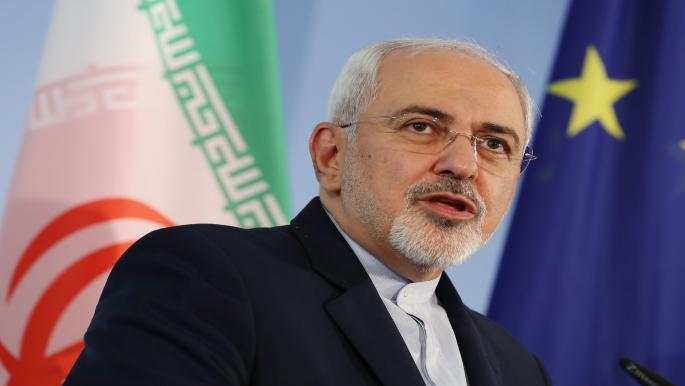
Former Iranian Foreign Minister Mohammad Javad Zarif has received an official reprimand from Iranian authorities after publishing an article in Foreign Affairs, where he discussed the details of the Iranian war and its effects on the country. The article, released at a sensitive time, has elicited mixed reactions within political and media circles in Iran.
Zarif, who served as Foreign Minister from 2013 to 2021, is regarded as one of Iran's prominent diplomats and played a pivotal role in the nuclear negotiations. However, his recent article, which addressed sensitive issues related to the war, came at a time when the country is experiencing both internal and external tensions.
Details of the Reprimand
According to reports from Iranian media, the reprimand was a result of the article's content, which some deemed inappropriate given the current circumstances. In his piece, Zarif discussed historical events related to the Iranian war, pointing out lessons learned, but authorities felt that the article could raise doubts about the current government's positions.
The article also examined the war's impact on Iranian domestic politics and how those events shaped Iran's relations with other countries. Some circles viewed Zarif's remarks as crossing the permissible boundaries in critiquing government policies.
Background & Context
The Iranian war, which lasted from 1980 to 1988, was one of the bloodiest conflicts in modern Iranian history, resulting in the loss of thousands of lives and significant destruction of infrastructure. In recent years, this war has become a subject of research and study to understand its effects on Iranian national identity.
As the country grapples with its historical narrative, the war's legacy continues to influence contemporary political discourse and national sentiment, making discussions around it particularly sensitive.
Impact & Consequences
The reprimand Zarif faced could have negative implications for his political future, as it is seen as an effort by the government to bolster its stance against any criticisms. This incident may empower hardliners who seek to undermine any attempts at reform and openness to the outside world. It also serves as a warning to other Iranian officials that public criticism of government policies may lead to severe consequences.
As political tensions rise in Iran, the repercussions of Zarif's article and subsequent reprimand may further complicate the already challenging landscape for reformists and moderates within the government.
Regional Significance
This incident highlights the ongoing political tensions in Iran and their impact on regional relations. As the Iranian government seeks to maintain a unified front, any dissenting voices, particularly from influential figures like Zarif, are met with swift action to discourage further criticism.
Understanding the dynamics of this situation is crucial for observers of Iranian politics, as it reflects the broader struggle between reformist aspirations and hardline resistance within the country.