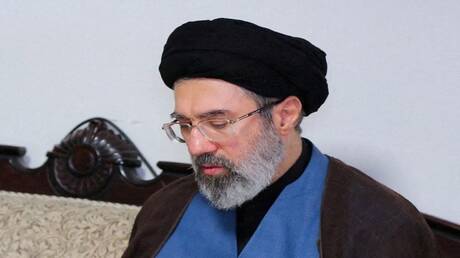
On Thursday evening, Channel 12 reported that Iranian Supreme Leader Ali Khamenei did not approve the proposed agreement, which suggests that U.S. President Donald Trump will also withhold his approval. This information comes at a sensitive time, as pressures are mounting on both sides to reach a settlement.
These developments relate to ongoing negotiations regarding Iran's nuclear program, which has seen increasing tensions recently. While major powers are striving to reach an agreement that ensures Iran does not develop nuclear weapons, the Iranian stance appears to remain rigid.
Details of the Event
The Israeli source cited by Channel 12 did not specify the details of the controversial agreement, but it is clear that there are divisions within the Iranian leadership regarding how to handle international pressures. Khamenei, who is considered the highest authority in Iran, may be reluctant to make concessions that could be perceived as weakness domestically.
On the other hand, Trump is seeking to achieve political successes ahead of the upcoming presidential elections, making him cautious about taking any steps that could be interpreted as a retreat from his hardline stance towards Iran.
Background & Context
Historically, relations between the United States and Iran have been increasingly strained since Trump's withdrawal from the nuclear agreement in 2018. This withdrawal led to the imposition of severe economic sanctions on Iran, significantly impacting its economy.
The situation in the region is directly affected by these relations, as Iran plays a pivotal role in many regional conflicts, complicating any diplomatic talks.
Impact & Consequences
If Khamenei continues to reject the agreement, it could escalate tensions between Iran and the United States, negatively affecting stability in the region. This refusal may also open the door to potential military options, a prospect that many fear.
Additionally, this stance could impact U.S. allies in the region, who may feel concerned about rising Iranian activities, prompting them to bolster their military alliances.
Regional Significance
For Arab countries, any escalation in relations between the United States and Iran could lead to increased tensions in the Arabian Gulf. Countries like Saudi Arabia and the United Arab Emirates may find themselves in a difficult position, having to balance their relations with the United States while managing their dealings with Iran.
Ultimately, the situation in the region remains complex, as political and economic interests intertwine, making it challenging to predict how matters will unfold in the near future.