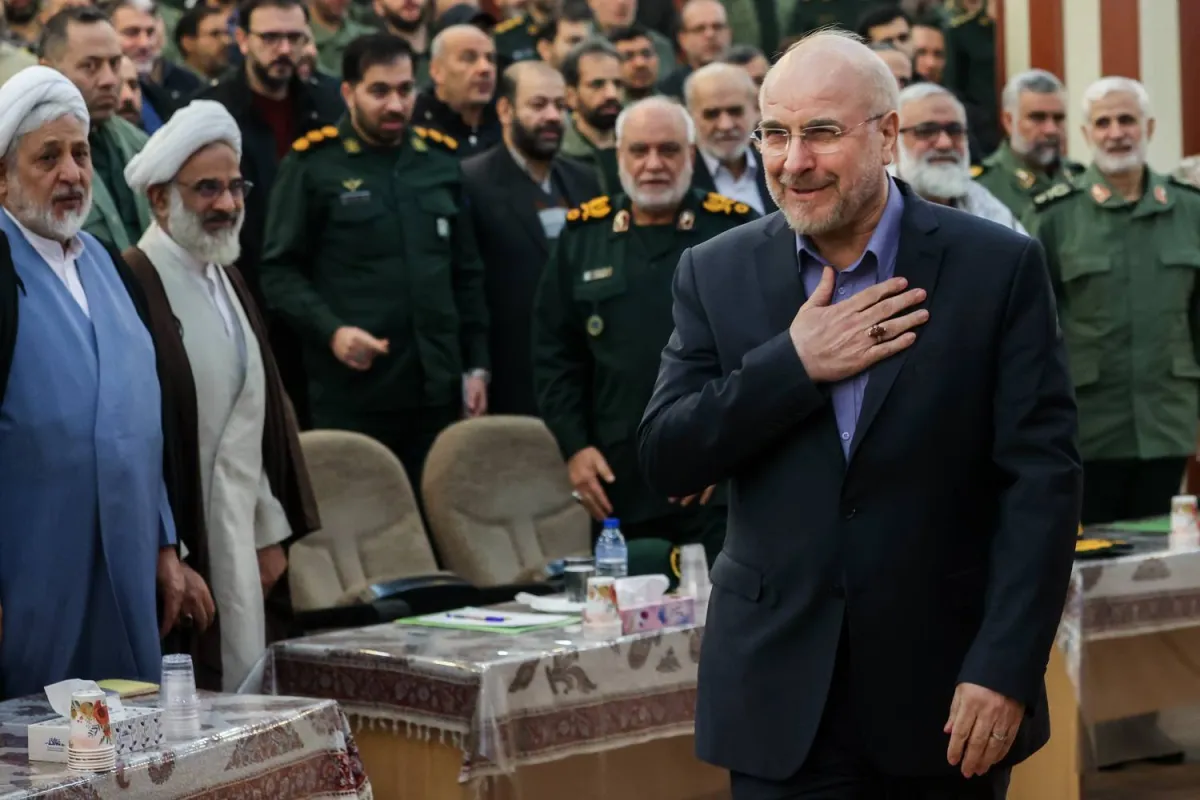
Iranian Parliament Speaker Mohammad Baqer Qalibaf issued a veiled threat via social media, inquiring about the movements of oil tankers and container ships in the Strait. This statement comes at a time when the region is experiencing increasing tensions, particularly in the Strait of Bab el-Mandeb, which is considered one of the most important waterways in the world.
The Strait of Bab el-Mandeb is 20 miles (approximately 32 kilometers) long and connects the Red Sea to the Gulf of Aden and the Indian Ocean. This strait is one of the busiest passages in global trade, with over 10% of the world's seaborne oil and 25% of container ships passing through it. The tensions in the region have affected navigation, leading to rising fuel prices and negative impacts on the global economy.
Details of the Incident
In a related context, the current situation in the Strait of Hormuz has caused significant disruptions in oil flow, resulting in a sharp increase in fuel prices. Qalibaf warned that any disruption to transit through Bab el-Mandeb could force shipping companies to reroute their vessels around the Cape of Good Hope, leading to further price increases.
On another front, Iranian Foreign Minister Abbas Araghchi issued warnings about ongoing attacks on the Bushehr Nuclear Power Plant, indicating that the resulting radioactive fallout from these attacks could affect the lives of people in regional capitals. He also accused Western governments of remaining silent regarding these attacks.
Background & Context
Tensions in the region have been escalating for some time, with Iran experiencing a series of attacks on its vital facilities, including the Bushehr Nuclear Power Plant. These attacks have resulted in the death of a security guard and damage to support buildings, without any recorded increase in radiation levels, according to the International Atomic Energy Agency.
At the same time, Araghchi confirmed his government's readiness to resume talks in Pakistan, focusing on ending the conflict definitively and permanently. The spokesperson for the Pakistani Foreign Ministry expressed optimism about the mediation efforts, indicating that these efforts are on the right track.
Impact & Consequences
Concerns are growing that tensions in the Strait of Bab el-Mandeb could lead to a larger escalation in conflict, potentially affecting global trade flows and oil price stability. Any escalation in hostilities could have negative repercussions on regional security.
In this context, the Austrian Foreign Minister emphasized the importance of restoring freedom of navigation in the Strait of Hormuz, stressing the humanitarian dimensions of global food security. He also called for an end to strikes on neighboring countries.
Regional Significance
The tensions in the Strait of Bab el-Mandeb and the Strait of Hormuz are particularly significant for Arab countries, as many of these nations rely on trade movements through these waterways. Any escalation in conflict could directly impact the economies of these countries and increase the prices of essential goods.
In conclusion, the situation in the region remains precarious, fluctuating between rising tensions and diplomatic efforts aimed at achieving stability. The continuation of these dynamics could lead to radical changes in the regional and international landscape.