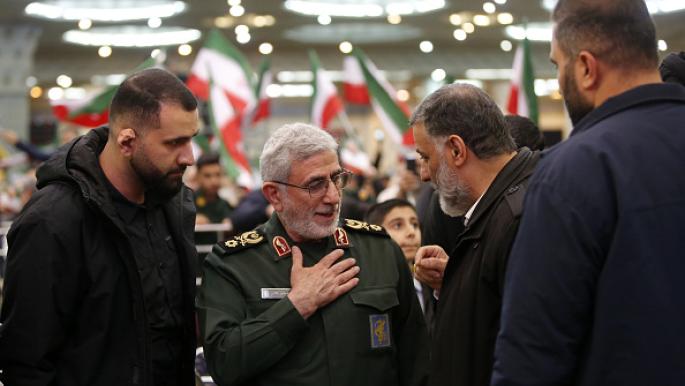
Ismail Qaani, the commander of Iran's Quds Force, has arrived in the Iraqi capital Baghdad in recent hours. This visit is part of Iran's efforts to alleviate the increasing concerns of the Iraqi government led by Mohammed Shia' al-Sudani, reflecting worries over escalating regional and international pressures.
The visit is considered a strategic step aimed at enhancing bilateral relations between Iraq and Iran, especially in light of the security and political challenges facing Baghdad. An Iraqi political source indicated that this visit comes at a sensitive time, as the Iraqi government seeks to balance its relations with both Iran and the United States.
Details of the Visit
Qaani's visit follows a series of events in the region, including heightened tensions between the United States and Iran. The Iraqi government has expressed a desire to maintain good relations with both parties, making Qaani's visit particularly significant.
The visit includes meetings with high-ranking Iraqi officials, where a number of security and political issues are expected to be discussed. The talks are also anticipated to address ways to enhance economic cooperation between the two countries, amid the economic crises facing Iraq.
Background & Context
Historically, Iran has played a significant role in Iraq following the fall of Saddam Hussein's regime in 2003. Tehran has supported various political and military factions in Iraq, making it a key player in the Iraqi political landscape. However, this influence has raised concerns among some Iraqi political forces seeking to reduce dependence on Iran.
In recent years, Iraqi-Iranian relations have experienced fluctuations, as Baghdad has sought to strengthen its ties with the United States and Arab countries. Nevertheless, Iran remains a crucial player in Iraq's security and stability, making the current visit of the Quds Force commander highly significant.
Impact & Consequences
Qaani's visit could significantly affect Iraq-Iran relations, potentially easing tensions and enhancing bilateral cooperation. However, it may also provoke reactions from Iraqi political forces opposing Iranian influence.
If the visit succeeds in achieving its objectives, it could lead to greater stability in Iraq, positively impacting the country's security and economic situation. Conversely, if it fails, tensions may escalate, increasing fears of external interventions in Iraqi affairs.
Regional Significance
Qaani's visit is part of the broader regional conflict between Iran and the United States, which has direct implications for Arab countries. Under these circumstances, Arab states are striving to achieve a balance in their relations with both sides.
The outcomes of this visit could affect regional stability, as any escalation in Iraq-Iran relations may reflect on regional security. Furthermore, Qaani's success in achieving his goals could bolster Iran's position in the region, potentially leading to increased tensions with other Arab countries.
In conclusion, Qaani's visit to Baghdad is a significant event that requires close monitoring, as it could define new paths for Iraqi-Iranian relations and their impact on the entire region.