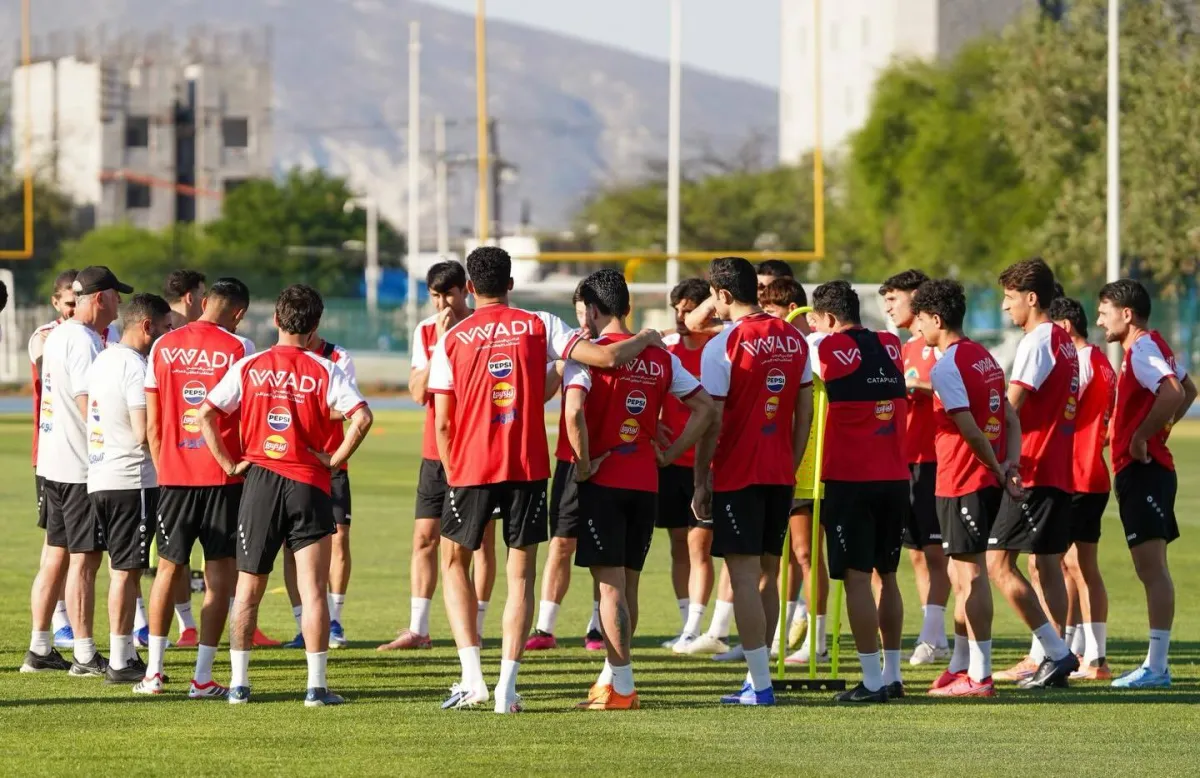
Iraq is preparing to face Bolivia in a pivotal match that could determine its fate in the 2026 World Cup amidst heightened regional tensions. This game is not just a sporting event but a chance to redefine the country's identity after decades of conflict.
The match will take place at the Iraqi national football team's hotel, located south of downtown Monterrey, Mexico, where the atmosphere seems calm. However, behind this tranquility lie significant challenges. This match not only determines qualification but also identifies the 48th and final team in the tournament, making it a historic moment for Iraqi football.
Event Details
Rene Molensteen, a coach with extensive experience in the football world, speaks about the importance of this match, noting that qualification would lead to an explosion of joy among the Iraqi people. These words reflect a sense of hope in a country seeking a unifying moment amid a turbulent reality.
This match comes at a sensitive time, as Iraq faces the repercussions of military escalation in the region, complicating matters further. The country has witnessed tensions due to reciprocal strikes between the United States and Israel against Iran, affecting stability in the northern part of the country.
Background & Context
Historically, Iraq has not appeared in the World Cup finals since 1986, with its last participation in Mexico, where it lost all its matches. Since then, the moment of winning the Asian Cup in 2007 has been one of the few highlights in Iraqi football history, making this match an opportunity to rewrite history.
The national team's journey to this match has been dramatic, as they secured a decisive victory against the UAE with a penalty kick in stoppage time, reflecting the team's spirit and determination to succeed.
Impact & Consequences
The significance of this match extends beyond the sporting aspect to include political and economic dimensions. Iraq, which seeks to avoid being dragged into new conflicts, needs both internal and external stability. Additionally, qualifying for the World Cup could help improve the country's image in international forums.
Molensteen emphasizes that qualification will not only be a sporting achievement but also an opportunity to change the stereotype that still associates Iraq in the minds of many in the West, reflecting the importance of sports as a tool for social and political change.
Regional Significance
This match represents a potential turning point for Iraq and may impact the region as a whole. The success of the national team in qualifying could have a positive effect on neighboring countries, as it may enhance the spirit of unity and cooperation among Arab peoples.
In conclusion, the match between Iraq and Bolivia represents more than just a football game. It is an opportunity to redefine Iraqi identity before the world, a small step in a big game, but one that may carry an impact that transcends the boundaries of the pitch.