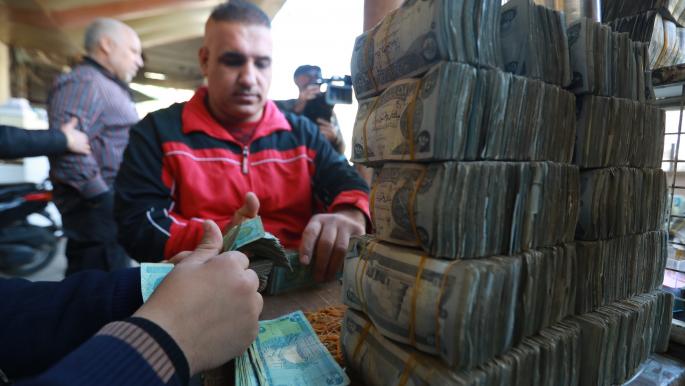
The value of the Iraqi dinar has dropped by approximately 5% against the US dollar, reflecting the increasing economic pressures facing the country amid regional crises. This decline comes at a time when many economic sectors, particularly the oil sector, are suffering from the repercussions of ongoing wars and conflicts in the region.
Concerns are growing about the impact of these pressures on the Iraqi economy, which heavily relies on oil exports. Oil is the main source of government revenue, and any decline in its value or in the value of the national currency could exacerbate economic conditions.
Details of the Event
Recently, Iraqi markets have witnessed a noticeable increase in demand for the dollar, contributing to the decline in the value of the dinar. This rising demand reflects the anxiety of investors and citizens regarding the current economic conditions, as many seek to protect their funds from currency fluctuations.
Reports indicate that this decline in the value of the dinar may also be linked to increasing political and security tensions in the region, which directly affect confidence in the Iraqi economy. Furthermore, the ongoing armed conflicts in neighboring countries heighten instability, negatively impacting the national currency.
Background & Context
The Iraqi dinar is one of the currencies that has experienced significant fluctuations in its value over the years, being directly affected by political and economic events in the country. Since 2003, Iraq has faced numerous crises that have impacted currency stability, including wars and internal conflicts.
In recent years, the Iraqi government has attempted to take steps to improve the economic situation, including diversifying revenue sources and reducing dependence on oil. However, challenges remain, especially amid volatile regional conditions.
Impact & Consequences
The decline in the value of the dinar can lead to rising prices in local markets, affecting citizens' purchasing power. This may further exacerbate economic conditions, especially given the high rates of unemployment and poverty in the country.
Moreover, the currency decline could impact foreign investments, as investors may hesitate to enter a market experiencing significant fluctuations. This could lead to reduced economic growth and increased pressure on the government to improve economic conditions.
Regional Significance
The economic situation in Iraq significantly affects the Arab region, as any decline in the Iraqi economy can impact neighboring countries. Iraq represents an important market for many Arab nations, and any decline in its economic stability can affect trade and investment relations.
In light of the current crises, Arab countries must closely monitor developments in Iraq, as stability in this country can contribute to enhancing stability in the region as a whole.
In conclusion, the economic situation in Iraq requires comprehensive addressing, necessitating concerted efforts from the government and the international community to ensure the stability of the dinar and improve economic conditions.