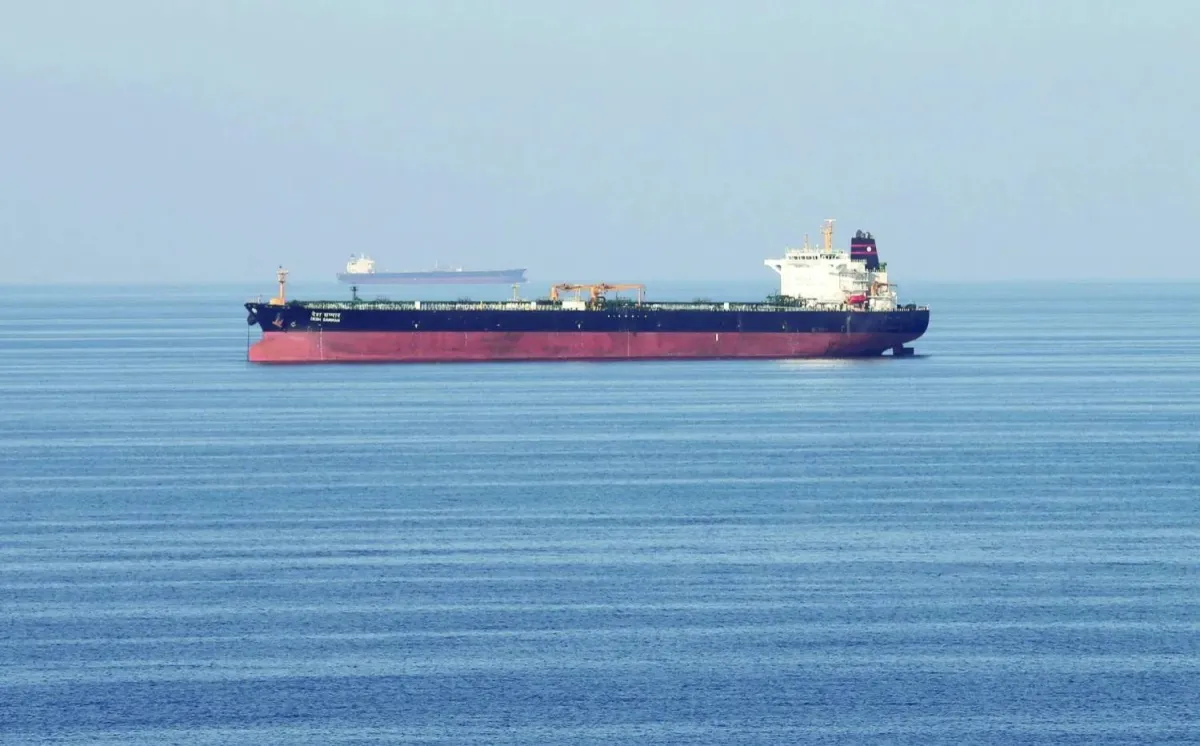
An Iraqi oil tanker loaded with crude has successfully crossed the Strait of Hormuz, reflecting the geopolitical changes in the region. The vessel, known as "Ocean Thunder," is carrying approximately one million barrels of Basra heavy crude, having been loaded on March 2, and is scheduled to discharge its cargo in Malaysia by mid-April.
This move comes just one day after Iran announced that Baghdad is exempt from any restrictions on passing through this vital maritime corridor, which is a major artery for global oil and liquefied natural gas flows. The Strait of Hormuz, through which about 20% of the world's oil supply passes, has recently witnessed increasing tensions due to regional conflicts.
Event Details
In recent weeks, Iran had closed the Strait of Hormuz following a rise in military tensions, as the United States and Israel began conducting airstrikes on Iran. However, Tehran later allowed the passage of vessels that have no ties to the United States or Israel. In the past few days, three oil tankers operated by Oman, along with a French container ship and a Japanese gas tanker, have also crossed the strait.
The Iranian decision comes at a sensitive time, as global oil markets are significantly affected by military tensions. Reports from the London Stock Exchange Group and the company "Kpler" have monitored these developments, reflecting the importance of tracking maritime transport movements in the region.
Background & Context
Historically, the Strait of Hormuz is considered a strategic point in global trade, with approximately 20% of oil and natural gas passing through it. Conflicts in the region, including the Iranian dispute, directly impact the stability of global energy markets.
In recent years, the region has seen a rise in tensions, leading to increased concerns about maritime security. These events affect oil prices, which in turn impacts the global economy.
Impact & Consequences
Markets are anticipating that these developments will lead to an increase in oil prices, which could have repercussions for the global economy. Rising oil prices can lead to higher transportation costs, consequently increasing the prices of goods and services.
Furthermore, the continuation of tensions in the region may lead to disruptions in maritime traffic, affecting oil and gas supplies. These factors could contribute to increased economic instability in many countries, especially those heavily reliant on energy imports.
Regional Significance
For Arab countries, the crossing of the Iraqi tanker through the Strait of Hormuz carries significant implications. Iraq, which is seeking to boost its oil exports, could benefit from this development, especially amidst current tensions.
However, the ongoing tensions in the region may threaten the stability of Arab markets and impact economic development plans in several countries. Therefore, these events highlight the importance of regional cooperation to ensure the stability of energy markets.
In conclusion, these developments underscore the significance of the Strait of Hormuz as a vital element in the global economy and highlight the challenges facing the region amid ongoing conflicts.