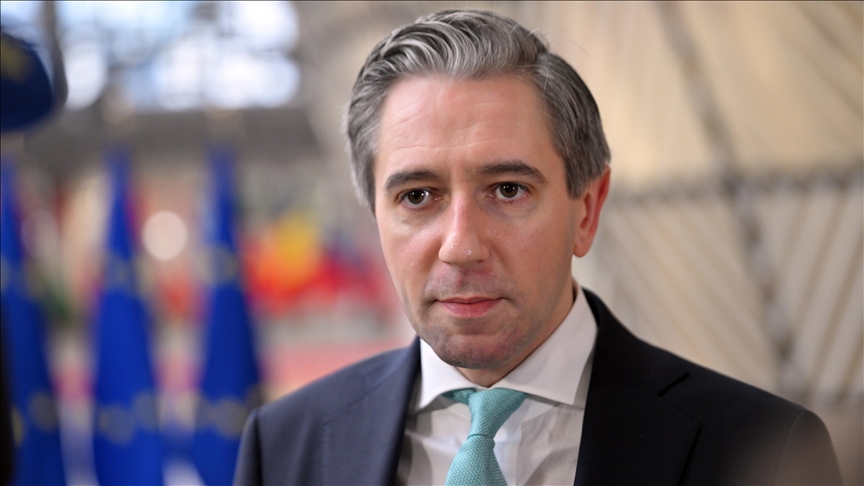
In a move reflecting the challenges facing Ireland amid multiple crises, Deputy Prime Minister Simon Harris announced that the government will not move towards imposing restrictions similar to those applied during the COVID-19 pandemic to address the current energy crisis. These statements come at a time when the country is suffering from the repercussions of the ongoing war in Iran and its impact on energy supplies.
Harris explained that ending the conflict in Iran will not be sufficient to resolve the damage inflicted on Irish infrastructure, indicating that the repair process will take approximately one year. These remarks reflect the growing concern regarding the stability of energy supplies in Ireland, which heavily relies on external energy sources.
Details of the Announcement
Harris's statements come at a sensitive time, as Ireland faces an escalating energy crisis due to geopolitical conflicts in the region. The war in Iran has significantly affected global energy supplies, leading to rising prices and increased pressure on European governments. In this context, Irish officials are seeking alternative solutions to ensure energy stability without the need to impose strict restrictions on citizens.
Harris also confirmed that the government is working to enhance investments in renewable energy as part of its strategy to address the crisis. This step aims to reduce reliance on traditional energy sources and promote environmental sustainability, which is considered an urgent necessity in light of current climate changes.
Background & Context
Historically, Ireland has experienced several energy crises, but the war in Iran is considered one of the most impactful on supplies. Since the outbreak of the conflict, oil and gas prices have risen significantly, affecting the European economy as a whole. Ireland, which heavily relies on energy imports, finds itself in a difficult position that requires swift and effective decision-making.
Despite the challenges, the Irish government is striving to provide energy to citizens without reverting to strict restrictions, as was the case during the COVID-19 pandemic. These restrictions had negative impacts on the economy and society, prompting the government to be cautious in taking any similar steps.
Impact & Consequences
The decision not to impose new restrictions may have positive effects on the local economy, as it could help boost business activity and alleviate pressures on households. However, the ongoing energy crisis may exacerbate economic and social conditions, requiring the government to take additional measures to ensure market stability.
On the other hand, enhancing investments in renewable energy could contribute to achieving Ireland's goals of reducing carbon emissions and achieving sustainability. This step could serve as a model for other countries facing similar challenges.
Regional Significance
The Arab region is directly affected by the geopolitical crises occurring in Iran, as Iran is one of the largest oil producers in the world. Any disruptions in Iranian energy supplies impact global prices, reflecting on the economies of Arab countries that rely on oil as a primary source of revenue.
Additionally, Ireland's shift towards renewable energy may influence Arab countries, encouraging them to invest in alternative energy sources, especially in light of the climatic challenges facing the region.
In conclusion, the energy crisis in Ireland remains an example of global challenges that require international cooperation and effective strategies to ensure energy and economic stability.