The Islamic State and Muslim Support Group, affiliated with Al-Qaeda, has declared its control over the town of Tissit, located near the borders with Niger and Burkina Faso. This announcement comes at a sensitive time as the country witnesses a surge in violence and armed conflicts, following a previous declaration by a group of Tuareg rebels claiming control over the city of Kidal in the northern region.
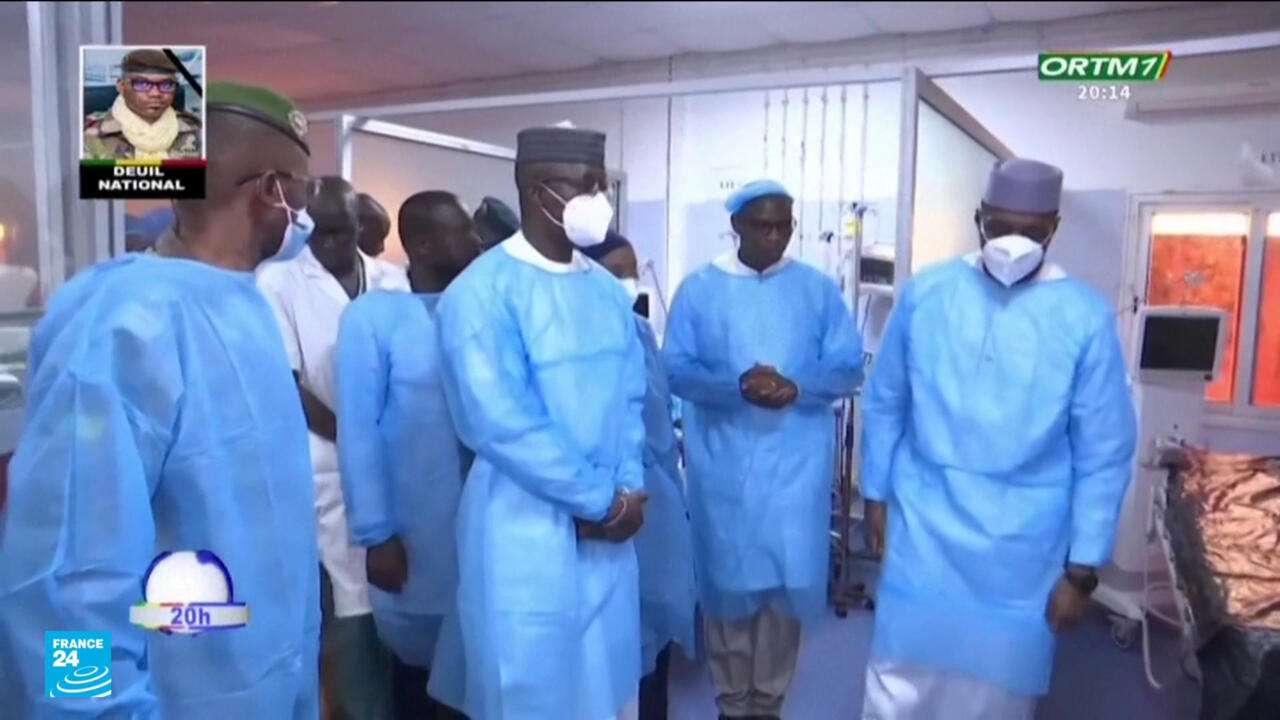
Amid these tense conditions, the absence of military leader Assimi Goita from public appearances has raised questions regarding the stability of military leadership in Mali. While Prime Minister Abdoulaye Maiga visited the injured in the town of Kati, he attempted to reassure residents about the deteriorating security situation.
Details of the Event
The Islamic State and Muslim Support Group's takeover of Tissit is part of a broader escalation of tensions in the region, as the group seeks to strengthen its influence in border areas. The country has experienced a series of attacks targeting government forces and civilians in recent months, heightening anxiety among local populations.
Simultaneously, the Malian government continues its efforts to address security challenges, but the absence of military leadership on the ground may cast doubt on the effectiveness of these efforts. The Prime Minister's visit to the injured reflects the government's attempt to connect with citizens, yet it may not be sufficient to alleviate growing concerns.
Background & Context
Historically, Mali has seen a rise in armed conflicts since 2012, when Tuareg rebels seized control of the northern part of the country. Since then, the nation has suffered from instability, with an increase in terrorist activities in the region leading to multiple international interventions.
The Islamic State and Muslim Support Group is considered one of the prominent armed groups in the area, having exploited the political and security chaos to bolster its presence. As its influence grows, civilians face significant challenges in their daily lives, complicating the security situation further.
Impact & Consequences
Recent events underscore the necessity of reassessing security strategies in Mali. The absence of military leadership could exacerbate the situation, potentially allowing armed groups to intensify their activities. Furthermore, the rise in violence may impact regional stability, as its effects could extend to neighboring countries.
These circumstances require a coordinated international response, as the situation in Mali affects not only the country itself but also regional security. The international community must collaborate to support the Malian government's efforts to regain control over the affected areas.
Regional Significance
The situation in Mali is part of a larger picture concerning security in the African Sahel region. The increase in terrorist activities in this area could affect neighboring Arab countries, as threats may spill over borders. Therefore, stability in Mali is vital for regional security.
In conclusion, the situation in Mali remains complex and requires ongoing efforts from all stakeholders to ensure the country's stability. The lack of effective leadership may heighten challenges, necessitating an urgent response from both the government and the international community.