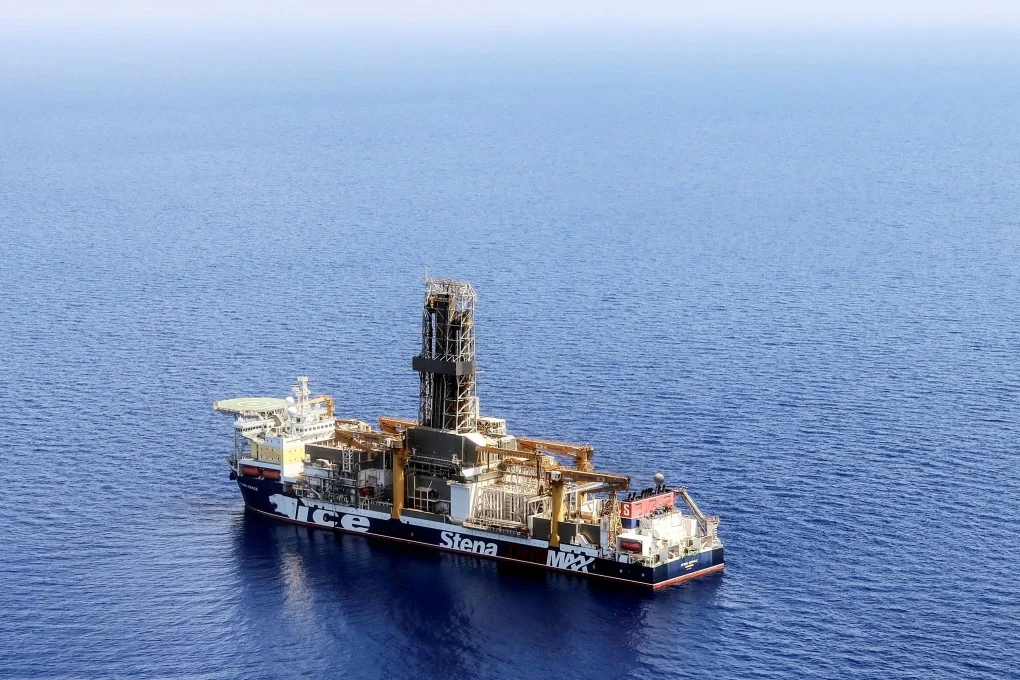
Iran's pressure on the Strait of Hormuz has destabilized the global economic system, yet Israel, which has conducted attacks on Tehran in collaboration with the United States, has managed to remain insulated from this crisis. Since the war began on February 28, the world's economies have faced increasing pressures due to rising oil and gas prices.
While countries from Asia to Europe and the United States are suffering from a sharp rise in fuel and electricity prices, Israel has managed to maintain relative stability in its economy. This disparity in economic impacts raises questions about how Israel has been able to avoid the negative effects that have affected many other countries.
Details of the Situation
The Strait of Hormuz is one of the most important waterways in the world, through which about 20% of the world's total oil passes. The increasing tensions between Iran and Western countries, particularly the United States, have heightened concerns about the safety of this vital passage. As the conflict escalated, oil prices surged to record levels, impacting the economies of oil-importing countries.
Israel, considered a key ally of the United States in the region, has taken proactive steps to enhance its energy security. By developing alternative energy sources and increasing domestic production, Israel has been able to reduce its dependence on energy imports, helping it to cope with global fluctuations.
Background & Context
Historically, the Middle East has been a center of political and economic conflicts, where natural resources, particularly oil, play a pivotal role in determining the balance of power. For decades, Iran has played a key role in influencing global oil prices through its control of the Strait of Hormuz, making it a starting point for many economic crises.
In recent years, relations between Iran and the United States have escalated significantly, especially after Washington's withdrawal from the nuclear agreement in 2018. This escalation has led to increased military and economic tensions in the region, directly affecting global markets.
Impact & Consequences
The continuation of tensions in the Strait of Hormuz could exacerbate economic crises in many countries, as their economies heavily rely on energy imports. Rising oil prices can lead to increased living costs, affecting social and political stability in those countries.
On the other hand, Israel's ability to remain insulated from these crises may enhance its strategic position in the region. This situation could open new avenues for economic cooperation with other countries, strengthening its ability to influence regional policies.
Regional Significance
For Arab countries, the situation in the Strait of Hormuz represents a significant challenge, as many of these nations depend on oil exports. Any escalation in tensions could lead to rising oil prices, impacting their economies and increasing social pressures.
It is crucial for Arab countries to adopt strategies to adapt to these changes by diversifying energy sources and enhancing regional cooperation. There should also be joint efforts to ensure the safety of navigation in the Strait of Hormuz to guarantee the stability of global markets.